From Folded Notes to Instant Everything: The Secret Language of American Teenage Connection
The Art of the Hallway Note
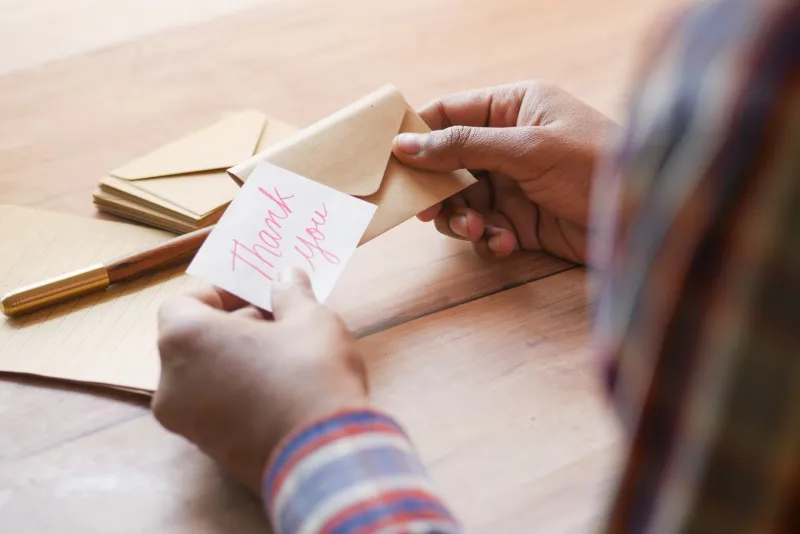
Before smartphones turned every teenager into a walking communication device, American high schoolers perfected an underground postal system that would make the CIA jealous. Folded paper notes, passed hand-to-hand through elaborate networks, carried the emotional weight of entire relationships.
These weren't simple messages—they were carefully crafted documents with their own visual language. The triangle fold meant urgent news. The intricate origami-style fold indicated serious romantic content. The way you signed your name could signal everything from casual friendship to deep affection.
Getting caught passing notes meant confiscation and public humiliation, which only added to their allure. Teachers became unwitting enemies in an underground communication war where teenagers developed sophisticated strategies for covert message delivery.
The anticipation was everything. You might wait hours to read a response, checking your locker between every class, heart racing when you spotted that familiar handwriting on folded paper.
The Phone Wars of the Family Kitchen
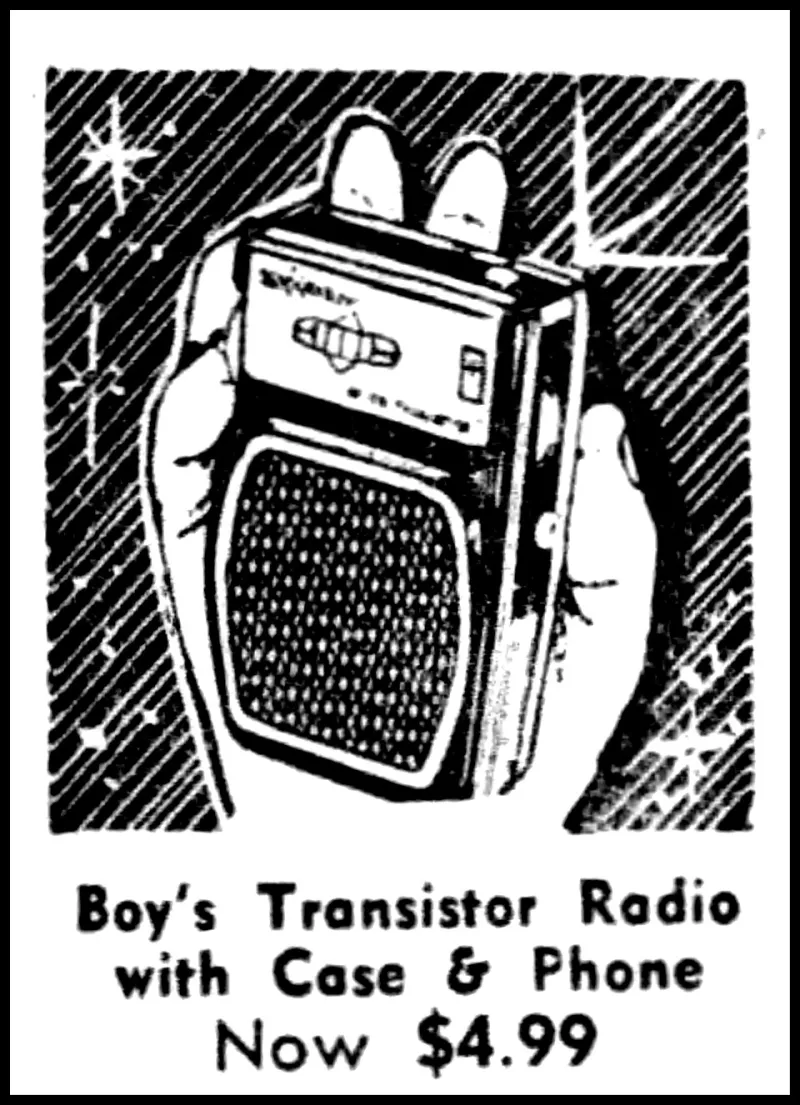
By the 1970s and 80s, the battlefield shifted to the family telephone—usually a wall-mounted unit in the kitchen with a cord that stretched just far enough to reach around the corner for semi-privacy. Teenage phone conversations became legendary family conflicts, with parents setting egg timers and siblings staging dramatic protests.
"Get off the phone!" became the battle cry of American households. Teenagers developed supernatural hearing for the telltale click of someone picking up an extension, leading to whispered threats and negotiated ceasefires.
The phone rang, and your heart stopped. Was it for you? Would your little brother answer and embarrass you? Would your mom interrogate the caller? The simple act of receiving a call was fraught with social landmines that required careful navigation.
Conversations could last for hours, covering everything and nothing. You'd do homework while talking, eat dinner one-handed, and develop impressive multitasking skills. The phone became a lifeline to your social world, and losing phone privileges was social death.
The Digital Dawn: AOL Instant Messenger Changes Everything
The late 1990s brought a revolution disguised as a simple computer program: AOL Instant Messenger. Suddenly, American teenagers could communicate in real-time without monopolizing the family phone or risking note interception.
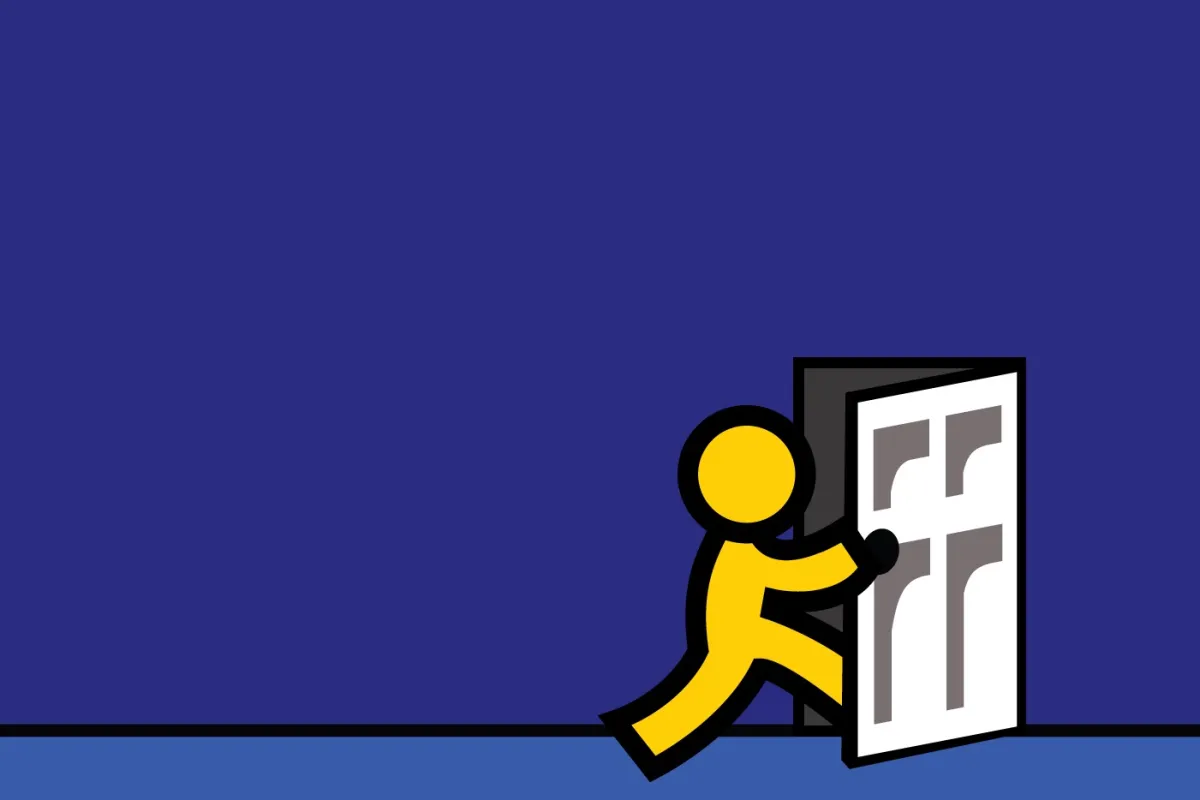 Photo: AOL Instant Messenger, via news.northeastern.edu
Screen names became carefully curated identities. "SoccerGirl2003" or "GuitarGod47" said everything about how you wanted to be perceived. Away messages turned into public billboards for your mood, your plans, and your relationship status.
The buddy list was social currency. Who was online? Who had blocked you? The green dot next to a name could make or break your evening. Teenagers would leave their computers running all night just to maintain their online presence.
AIM conversations had their own etiquette. Too many emoticons seemed desperate. Typing in all caps was shouting. The speed of your response sent signals about your interest level. A simple "brb" could leave someone hanging for what felt like hours.
The MySpace Years: When Profiles Were Everything
MySpace transformed teenage social connection into a public art form. Your profile was a carefully curated museum of your personality, complete with custom HTML, song selections, and a "Top 8" friends list that caused more drama than student government elections.
The Top 8 was psychological warfare disguised as friendship ranking. Who made the cut? Where did you rank on other people's lists? Relationships lived and died based on profile positioning, and teenagers spent hours analyzing the social implications of every change.
Comments became public conversations, viewable by everyone in your network. The pressure to appear popular led to elaborate comment exchanges—friends leaving messages just to boost each other's apparent social status.
Customizing your profile required actual technical skills. Teenagers learned basic HTML to create the perfect aesthetic, spending hours finding the right background music and layout colors. Your profile was your digital bedroom, and everyone was invited to judge your decorating skills.
The Always-On Generation
Today's teenagers live in a world of constant connection that would have been unimaginable to previous generations. Group chats buzz with continuous conversation. Social media provides instant access to everyone's thoughts, meals, and locations. The anxiety of waiting for a response is measured in minutes, not hours or days.
Snapchat streaks create artificial urgency around daily communication. Instagram stories provide constant updates on friends' activities. TikTok delivers an endless stream of shared cultural references and inside jokes.
The intimacy of one-on-one conversation has been largely replaced by group dynamics. Private messages exist, but much of teenage social life now happens in semi-public forums where every interaction is potentially visible to a wider audience.
What We Lost in Translation
Each era of teenage communication carried unique emotional weight. The folded note required physical presence and risk. The long phone conversation demanded exclusive attention and time. Even early digital communication required patience and intentionality.
Modern instant communication offers unprecedented connection but may have lost something in efficiency. The anticipation that made receiving a note or phone call special has been replaced by the expectation of immediate response. The careful craft of written communication has given way to abbreviated texts and emoji reactions.
Previous generations had natural communication boundaries—school hours, family phone time, computer availability. Today's teenagers navigate the stress of being constantly available, always on, perpetually connected to their social networks.
The Constant Evolution of Connection
What remains constant is the teenage drive to connect, communicate, and belong. Every generation has found ingenious ways to work within their technological limitations, creating elaborate social systems that seem both sophisticated and innocent to outside observers.
The folded note, the marathon phone call, and the carefully crafted AIM profile all served the same fundamental purpose: helping young people figure out who they were in relation to each other. The methods evolved dramatically, but the underlying human need remained unchanged.
Today's teenagers may never know the thrill of finding a note in their locker or the agony of waiting by the phone, but they're creating their own rituals of connection that will seem equally charming and impossible to the next generation.
The tools change, but the teenage heart remains the same—desperate to connect, eager to communicate, and endlessly creative in finding ways to reach across the space between one person and another.