The Neighborhood Fix-It Heroes: When America's Repair Shops Kept Everything Running Forever
The Corner Shop That Saved Everything
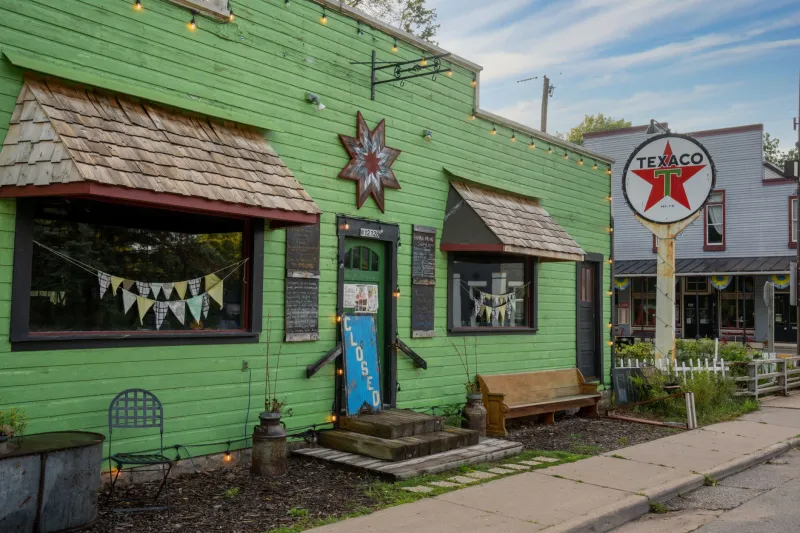
Walk through any American neighborhood in 1965, and you'd find them tucked between the barbershop and the five-and-dime: small storefronts with hand-painted signs advertising shoe repair, watch fixing, or television service. These weren't quaint relics—they were the economic backbone of how Americans lived with their possessions.
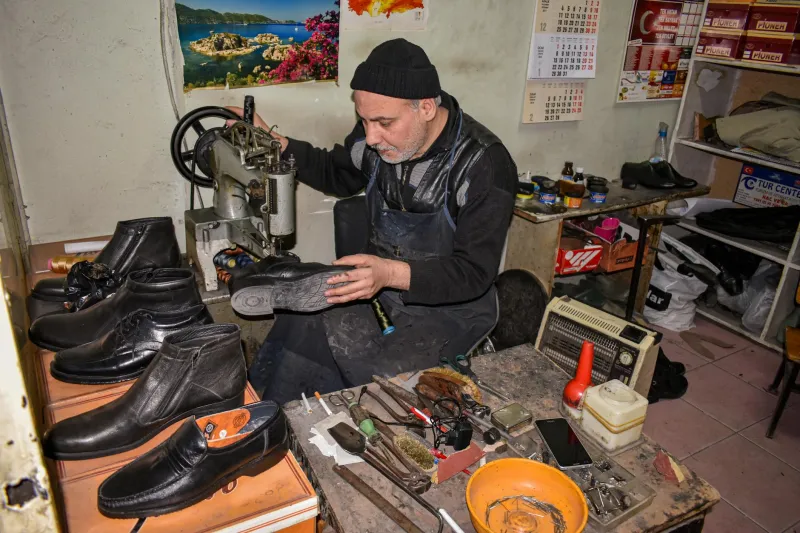
Your father's dress shoes, resoled three times by the neighborhood cobbler, would outlast his career. The family television, nursed back to health by a repair technician who knew every vacuum tube by sight, entertained three generations. Wedding dresses were altered, mended, and passed down like precious artifacts.
This wasn't nostalgia—it was necessity. When a toaster cost the equivalent of $200 in today's money, you fixed it. When shoes represented a significant investment, you kept them alive for years. The repair economy wasn't charming; it was survival.
The Craftsmen Who Knew Your Family History
These repair shops were more than businesses—they were repositories of neighborhood memory. The cobbler knew which family member had inherited their grandfather's work boots. The seamstress remembered hemming your prom dress and later your wedding gown. The watch repair man could tell stories about timepieces that had crossed oceans with immigrant families.
Skills passed down through generations created a network of specialists who understood that objects carried emotional weight. Your grandmother's sewing machine wasn't just a tool—it was a connection to family history that deserved preservation.
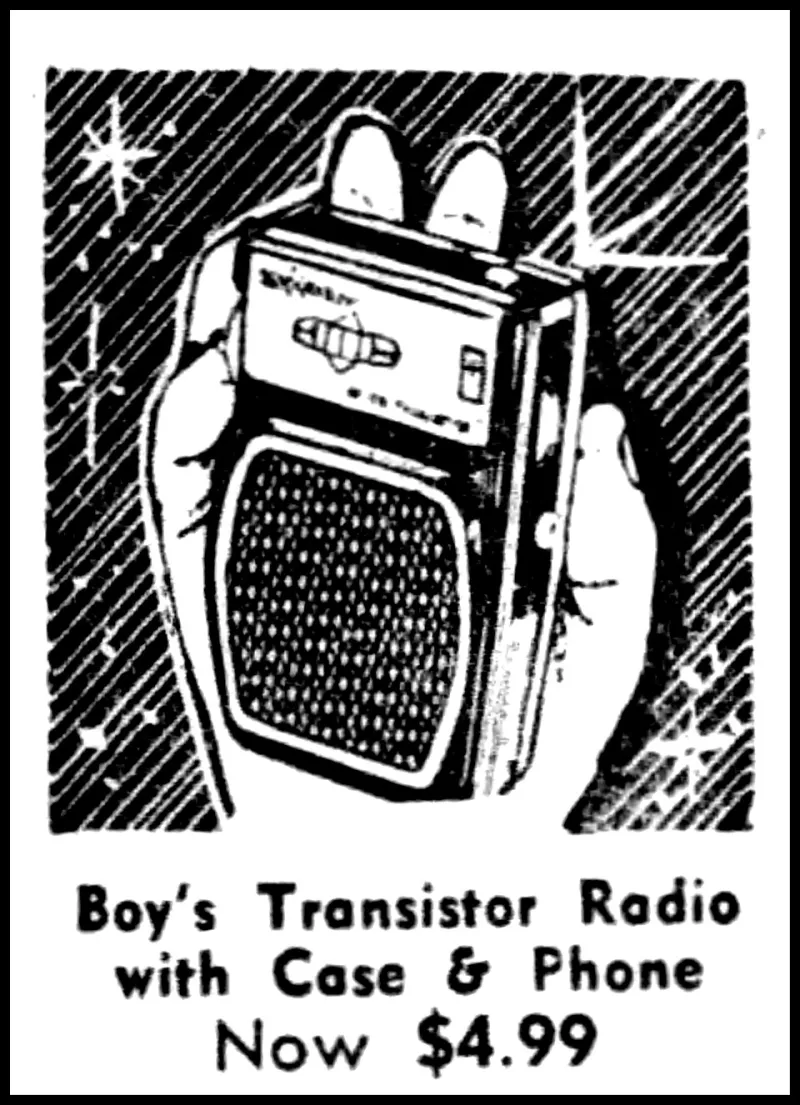
The relationship between customer and craftsperson was built on trust earned over decades. You didn't need warranties or return policies when the man fixing your radio had been serving your neighborhood for thirty years.
The Economics of Forever
The old repair economy operated on a simple principle: things were expensive to buy and cheap to fix. A quality pair of leather shoes might cost a week's wages, but resoling them cost the equivalent of a nice dinner. This created powerful incentives to maintain rather than replace.
Manufacturers designed products with repair in mind. Television sets came with schematic diagrams. Appliances had replaceable parts that repair shops stocked for years. Even clothing was constructed with seam allowances that allowed for multiple alterations.
The result was a culture where "throwing away" was almost a moral failing. Families developed deep relationships with their possessions, and repair shops were the guardians of that connection.
When Replacement Became Cheaper Than Repair
The shift happened gradually, then suddenly. Mass production drove down manufacturing costs while labor became more expensive. By the 1980s, it often cost more to repair a small appliance than to buy a new one.
Warranties replaced relationships. Instead of knowing a local craftsperson who stood behind their work, consumers dealt with corporate customer service departments and shipping labels. The personal touch vanished behind 1-800 numbers and online chat windows.
Planned obsolescence became an accepted business model. Products were designed to fail after predetermined periods, and replacement parts became increasingly difficult to find. The repair manual gave way to the "no user serviceable parts inside" warning label.
Today's Throwaway Reality
Modern Americans live in a world where a cracked smartphone screen costs $300 to repair professionally, while a new phone can be financed for $30 a month. Where clothing is so inexpensive that tailoring a $20 shirt makes no economic sense. Where appliances are replaced rather than repaired as a matter of course.
The environmental cost is staggering—Americans generate over 6 million tons of electronic waste annually. But the cultural cost may be even greater. We've lost the satisfaction of resurrection, the pride of making things last, the relationships built around skilled craftsmanship.
The few remaining repair shops serve niche markets—luxury goods, antiques, or specialty items. The neighborhood cobbler who could save any shoe has largely vanished, replaced by chain stores that offer limited services at premium prices.
What We Gained and What We Lost
Today's economy offers undeniable benefits: lower prices, constant innovation, and the convenience of replacement over repair. Modern appliances are more energy-efficient, reliable, and feature-rich than their predecessors.
But something intangible disappeared with those neighborhood repair shops. The satisfaction of breathing new life into cherished possessions. The relationships built through years of craftsmanship. The deep knowledge that came from understanding how things actually worked.
Perhaps most importantly, we lost the culture of permanence—the idea that our possessions were meant to last, that throwing things away was wasteful, and that skilled hands could save almost anything worth saving.
The New Repair Movement
Signs of change are emerging. "Right to repair" legislation is gaining momentum. Online communities share repair knowledge that was once the exclusive domain of professionals. Young people are rediscovering the satisfaction of fixing rather than replacing.
But today's repair culture is fundamentally different—driven by environmental consciousness rather than economic necessity, supported by YouTube tutorials rather than neighborhood expertise, and practiced by hobbyists rather than relied upon by entire communities.
The neighborhood repair shop may never return, but perhaps Americans are beginning to remember why it mattered in the first place.