Shoe Leather and Firm Handshakes: When Getting Hired Meant Showing Up at the Front Door

The Art of the Cold Call
Every weekday morning in 1970s America, thousands of job seekers would put on their best clothes, grab a stack of carefully typed resumes, and hit the pavement. They'd walk into businesses — factories, offices, retail stores — and ask the receptionist a question that would sound almost quaint today: "Is the manager available? I'd like to inquire about employment opportunities."
This wasn't considered pushy or inappropriate. It was simply how the job market worked. Employers expected people to show up in person. Human resources departments, if they existed at all, were small operations that handled paperwork rather than serving as gatekeepers. The person doing the hiring was often the same person you'd be working for, and they made decisions based on gut instinct, local recommendations, and that crucial first impression.
The process was refreshingly direct. You'd hand over your resume — usually a single page typed on good paper — and if the timing was right, you might find yourself in an impromptu interview on the spot. No online applications, no keyword scanning software, no months-long hiring processes involving multiple rounds of interviews with different stakeholders.
The Power of Local Reputation
In mid-20th century America, your professional reputation was built locally and traveled through word of mouth. When you applied for a job, the hiring manager might know your father, your high school principal, or your previous boss personally. They could call them up — literally pick up the phone and dial — to get a character reference that carried real weight.
This system had its advantages. Small-town businesses operated on trust and personal relationships. If the local barber vouched for your work ethic, that recommendation meant something. If you'd grown up in the community, people knew your family's reputation, and that knowledge influenced hiring decisions in ways that no resume could capture.
Newspapers ran "help wanted" sections that were actually helpful. Classified ads were specific: "Experienced mechanic needed. Apply in person at Joe's Garage, 123 Main Street, Monday through Friday, 8 AM to 5 PM." No mention of "competitive salary" or "dynamic work environment." Just the facts: what they needed, where to go, when to show up.
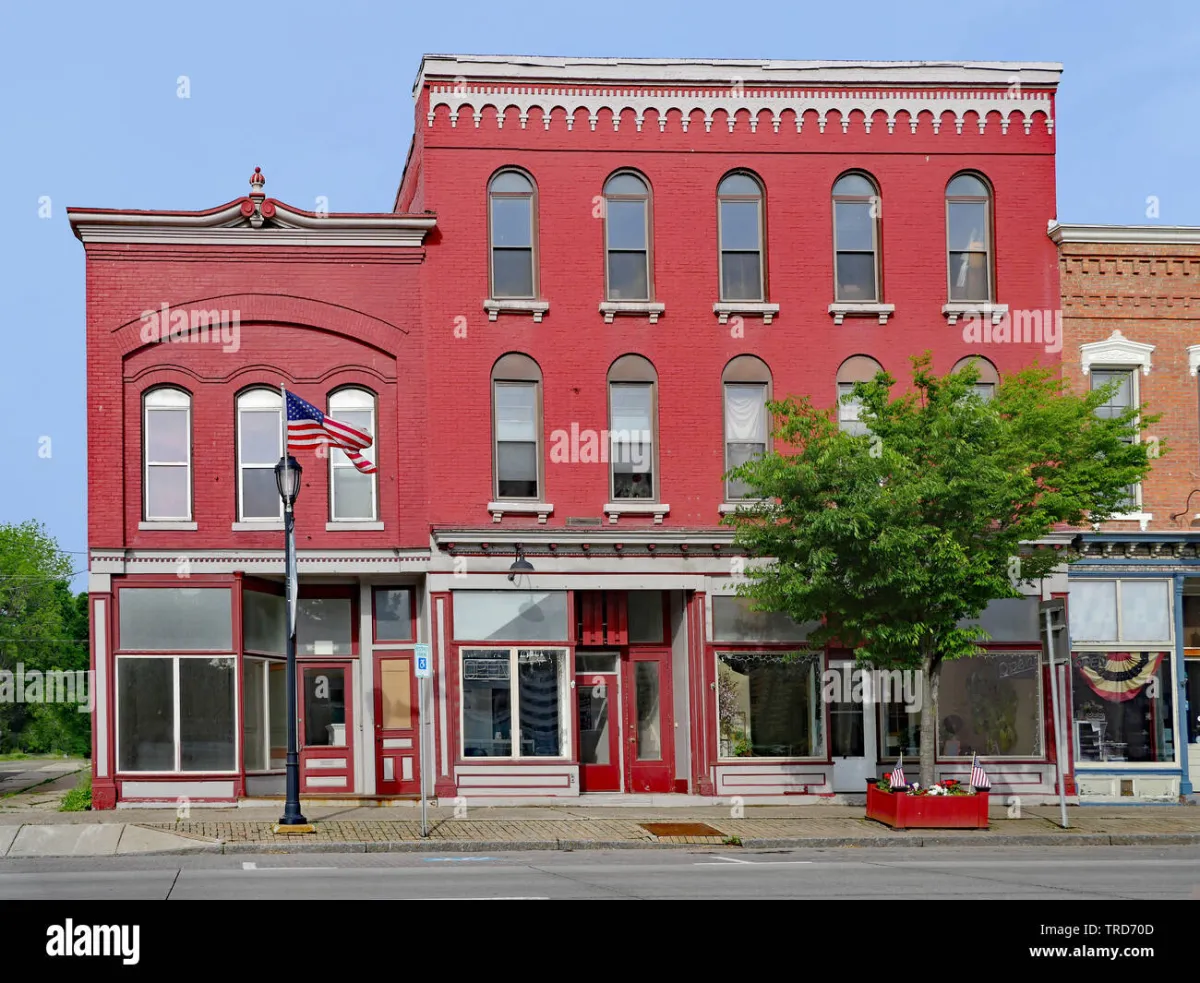 Photo: Main Street, via c8.alamy.com
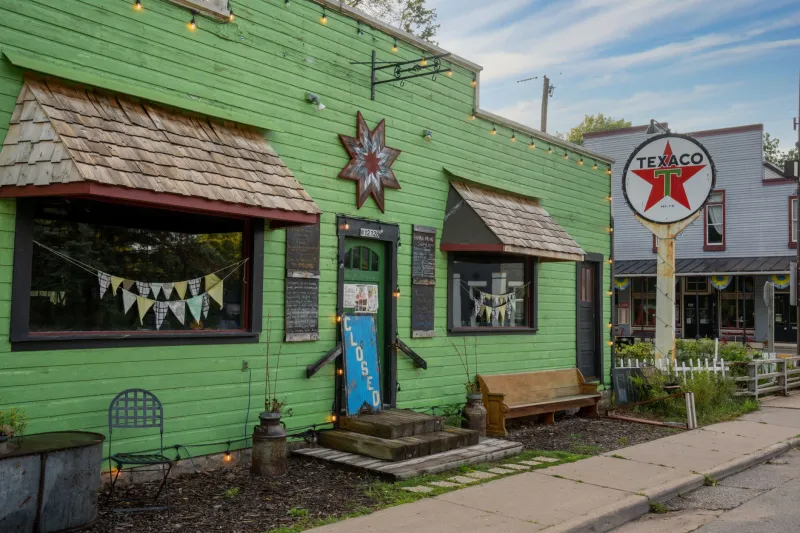
 Photo: Joe's Garage, via dygtyjqp7pi0m.cloudfront.net
The Resume Revolution
Job hunting required genuine craftsmanship. Resumes were physical documents that had to be perfect the first time. A typo meant retyping the entire page. Running out of copies meant another trip to the local print shop. The paper quality mattered — cheap copy paper suggested you weren't serious about the opportunity.
Most resumes followed a standard format: name and contact information at the top, work experience in reverse chronological order, education, and maybe a line about references being "available upon request." There were no sections for "core competencies," "personal brand statements," or "keyword optimization." Your qualifications spoke for themselves, without marketing language or strategic positioning.
Cover letters, when used at all, were brief and formal. No need to research the company's mission statement or demonstrate knowledge of recent industry trends. A simple paragraph explaining your interest and qualifications was sufficient.
The Human Filter System
Before applicant tracking systems and online portals, every job application was reviewed by an actual person. Receptionists served as the first filter, often with instructions as simple as "If they seem polite and well-dressed, send them back to see Mr. Johnson." This human element meant that personality and presentation could overcome gaps in formal qualifications.
The interview process was typically shorter and more straightforward. Questions focused on work history, availability, and basic competency rather than hypothetical scenarios or cultural fit assessments. "Can you do the job?" and "Will you show up on time?" were often the primary concerns.
Many positions were filled within days or weeks of being posted. The hiring manager would meet candidates, make a decision, and extend an offer — sometimes on the same day. Background checks, if conducted at all, involved calling previous employers directly rather than outsourcing to third-party verification services.
The Digital Transformation
Today's job market operates on entirely different principles. Online job boards aggregate thousands of opportunities, but they also attract hundreds of applications for each position. Applicant tracking systems scan resumes for keywords before human eyes ever see them. LinkedIn profiles have become essential professional calling cards, requiring constant curation and strategic networking.
The modern job search is a marketing exercise. Candidates must brand themselves, optimize their online presence, and navigate complex application systems that often feel designed to discourage rather than encourage applications. Phone screenings, video interviews, panel discussions, and multi-stage assessment processes have replaced the simple handshake and conversation that once sealed employment deals.
Remote work has further complicated the landscape. Job seekers can apply for positions anywhere in the world, but they're also competing against candidates from anywhere in the world. The local advantages that once gave community members an edge have largely disappeared.
What Was Lost in Translation
The old system had significant flaws. Personal networks often excluded women, minorities, and newcomers to communities. The "good old boys" network was real, and it perpetuated inequalities that modern hiring practices have attempted to address through structured processes and diversity initiatives.
However, something valuable was also lost in the transition. The personal connection between employer and employee began at the hiring stage. When the boss hired you personally, they felt invested in your success. When you were recommended by someone they trusted, you started with built-in credibility and support.
The speed and decisiveness of the old hiring process also had benefits. People could find work quickly when they needed it, without enduring months of uncertainty. The direct feedback — even if it was just "We'll let you know" delivered in person — provided closure that today's automated rejection emails rarely match.
The Modern Paradox
Today's hiring technology promises efficiency and fairness, but many job seekers report feeling more disconnected from the process than ever. Applications disappear into digital black holes. Automated responses replace human communication. The very tools designed to streamline hiring have, in many cases, created new barriers and frustrations.
Yet the modern system also offers unprecedented access to opportunities. Geographic boundaries have dissolved. Information about companies and positions is readily available. Professional networking can happen globally through digital platforms.
The challenge for both employers and job seekers is finding ways to maintain human connection within technological systems. Some companies are returning to more personal approaches, hosting informal meet-and-greets or encouraging walk-in applications for certain positions.
As artificial intelligence increasingly handles initial candidate screening, the pendulum may eventually swing back toward valuing the human elements that once defined American hiring practices. The handshake and the conversation may not be dead — just temporarily digitized.