Box Scores and Coffee Stains: When Sports Fans Lived on Yesterday's News

The Morning Ritual
Every American sports fan over the age of 50 remembers the ritual: stumbling to the front porch in their bathrobe, grabbing the morning newspaper, and immediately flipping to the sports section. Coffee could wait. Breakfast could wait. What couldn't wait was finding out what happened in last night's games — games that had ended hours earlier but were just now reaching your consciousness through the magic of overnight printing and early morning delivery.
The sports section was a treasure map of information, dense with statistics and stories that required actual reading. Box scores weren't just numbers; they were narratives waiting to be decoded. A baseball fan could reconstruct an entire nine-inning drama by studying the line score, noting when runs were scored, which pitchers entered the game, and how many men were left on base.
Football fans had it tougher. Sunday games ended in the afternoon, but the full statistical breakdown wouldn't appear until Monday morning's paper. That meant nearly 18 hours of wondering exactly how your quarterback performed, how many yards your running back gained, or whether that crucial field goal attempt in the fourth quarter actually sailed through the uprights.
The Art of Sports Conversation
Without instant access to comprehensive statistics, sports conversations required genuine expertise and memory. Office debates on Monday morning weren't settled by pulling out a smartphone and checking ESPN.com. Instead, they relied on collective recollection, newspaper clippings, and the occasional sports almanac that someone kept in their desk drawer.
These discussions had a different quality than today's stat-heavy arguments. Fans talked about what they remembered seeing, the feel of the game, the momentum shifts that statistics couldn't capture. A pitcher's "stuff" mattered more than his WHIP. A basketball player's "court vision" counted for more than his player efficiency rating.
The lack of immediate information also created more room for debate and interpretation. When box scores provided only basic statistics, fans had to fill in the gaps with their own observations and theories. This led to richer storytelling and more passionate disagreements about what actually happened on the field.
The Fantasy Revolution That Never Was
Fantasy sports existed in rudimentary forms as early as the 1960s, but they required dedication that bordered on obsession. Fantasy baseball leagues involved manually calculating statistics from newspaper box scores, maintaining handwritten ledgers, and conducting transactions through phone calls and face-to-face meetings.
A typical fantasy football league might consist of eight friends who met every Tuesday night during the season to update their rosters and argue about trades. The league commissioner — usually the person with the most free time and the best organizational skills — would spend hours each week transcribing statistics from multiple newspapers to ensure accuracy.
There were no waiver wires, no instant roster updates, no push notifications when your running back scored a touchdown. If you wanted to know how your team was performing, you had to wait for the weekly standings update and calculate your own point totals.
Radio: The Theater of the Mind
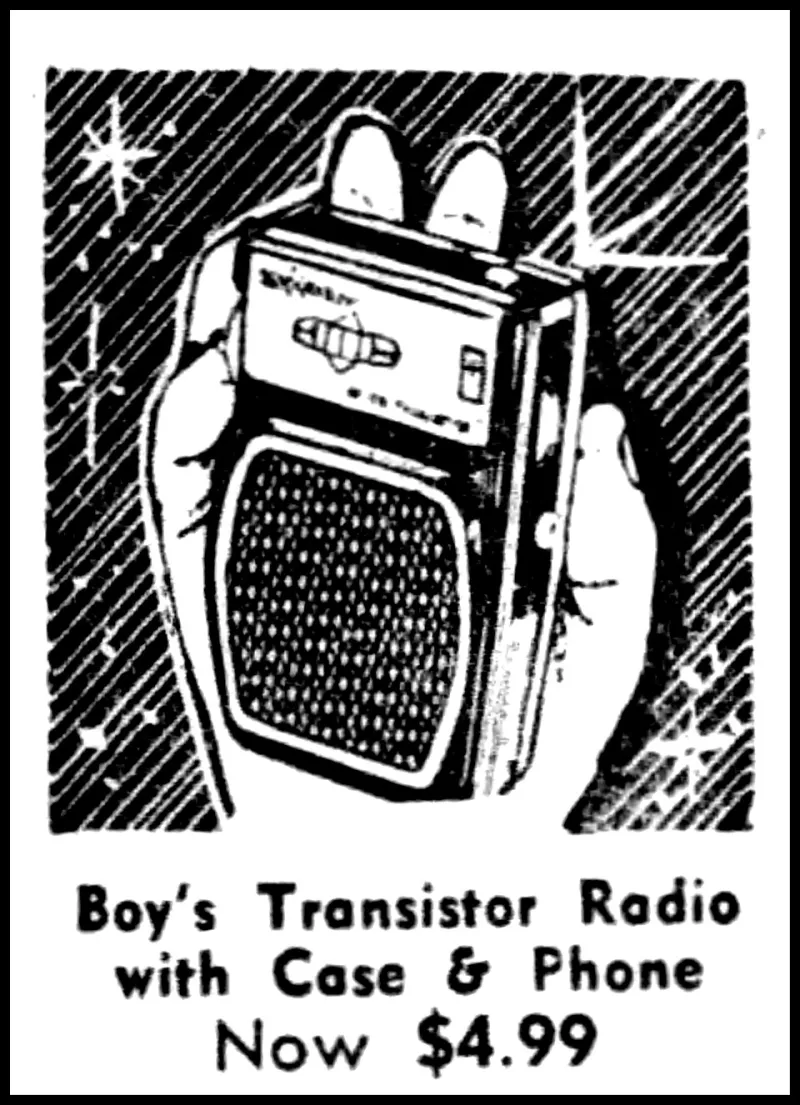
For games happening in real-time, radio was king. Baseball, with its natural pauses and statistical interludes, was perfectly suited to radio broadcasting. Legendary announcers like Vin Scully could paint pictures so vivid that listeners felt transported to the ballpark.
 Photo: Vin Scully, via cdn.vox-cdn.com
Football and basketball presented greater challenges for radio broadcasters, but skilled announcers developed techniques to help listeners follow the action. They'd describe formations, explain strategy, and provide context that television broadcasts often overlooked. Radio forced announcers to be storytellers, not just reporters.
Many fans preferred radio to the limited television coverage available. Radio announcers knew their local audience intimately and could reference shared experiences and inside jokes that created genuine community among listeners. The voice of your team's radio announcer became as familiar as that of a family member.
The Scrapbook Archives
Dedicated fans maintained elaborate filing systems to track their teams and favorite players. Newspaper clippings were carefully cut out and pasted into scrapbooks. Important box scores were preserved in manila folders. Some fans kept detailed handwritten logs of season statistics, updating them weekly as new information became available.
These personal archives served as both reference materials and sentimental treasures. A father could show his son the box score from the day the son was born, or compare current players to legends from previous decades using carefully preserved newspaper clippings.
The physical nature of sports information made it precious in ways that digital data never could be. A yellowed newspaper clipping from a championship game carried emotional weight that a screenshot simply cannot match.
The Information Explosion
Today's sports landscape would overwhelm a fan from the 1970s. ESPN provides 24-hour coverage of sports news, analysis, and highlights. Fantasy sports apps deliver real-time scoring updates and allow roster changes from anywhere in the world. Social media offers instant access to player thoughts, behind-the-scenes content, and breaking news.
The modern sports fan has access to advanced metrics that didn't exist 50 years ago. Baseball fans can analyze launch angles, exit velocities, and defensive positioning data. Basketball enthusiasts can study shot charts, player tracking information, and efficiency metrics that would have seemed like science fiction to earlier generations.
Fantasy sports have become a billion-dollar industry with daily contests, season-long leagues, and professional analysis that rivals coverage of actual sports. What once required hours of manual calculation now happens automatically, with apps that provide recommendations, injury updates, and lineup optimization.
The Paradox of Perfect Information
All this information should make sports more enjoyable, but many longtime fans report feeling overwhelmed rather than enlightened. The constant stream of updates, alerts, and analysis can turn following sports into a full-time job rather than a leisure activity.
The anticipation that once made sports special has largely disappeared. There's no mystery left in waiting for tomorrow's newspaper to reveal what happened in last night's game. Every play is immediately analyzed from multiple angles, every statistic is instantly available, every outcome is immediately known.
Some argue that advanced analytics have made sports more strategic and interesting, while others contend that they've reduced the human drama to cold numbers. The truth probably lies somewhere in between, but there's no denying that the experience of being a sports fan has fundamentally changed.
The Lost Art of Patience
Perhaps what's been lost most in the transition from newspapers to apps is the virtue of patience. Sports used to teach fans to wait, to anticipate, to savor the delayed revelation of results and statistics. This waiting period created space for reflection and discussion that immediate information tends to eliminate.
The old system also created shared experiences in ways that personalized feeds cannot. When everyone read the same sports section and watched the same limited television coverage, fans had common reference points for their conversations. Today's customized information streams mean that no two fans necessarily consume the same sports content.
As we navigate this era of information abundance, there's something to be said for the focused attention and patient appreciation that characterized sports fandom in simpler times. The box scores may have been printed on cheap paper with smudged ink, but they carried the weight of stories that fans had to work to understand — and that effort made the rewards all the sweeter.