Fish Tanks, Dog-Eared Magazines, and the Lost Art of Waiting Without Losing Your Mind
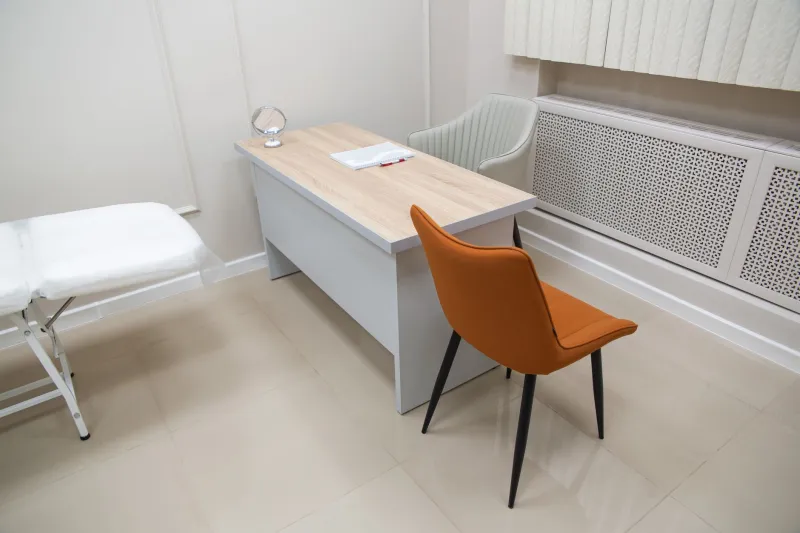
Somewhere between the late 1980s and right now, the American doctor's waiting room stopped being a place and became a holding pen.
That might sound dramatic. But think about the last time you sat in one. Fluorescent overhead lighting. A row of chairs bolted to the floor like airport seating. A television mounted high on the wall cycling through cable news nobody asked for. And everyone — every single person — hunched over a phone, scrolling through something that isn't making them feel any better about being there.
It wasn't always like this. Not even close.
What You Actually Found in There
For much of the twentieth century, a well-run doctor's waiting room was a considered space. Family practitioners and pediatricians in particular took some pride in what they offered patients who showed up early and then waited — which, let's be honest, was everyone.
The magazine rack was the centerpiece. Not one rack. Often two or three, organized loosely by interest. National Geographic going back eighteen months. Reader's Digest in a neat stack. Sports Illustrated, Better Homes and Gardens, People, Highlights for Children if kids came through. The issues were dog-eared and slightly soft at the corners from handling, which somehow made them more inviting, not less. You'd pick one up, flip to a random article, and just... read. Not because you chose to. Because it was there and you had time.
And then there were the fish tanks.
Aquariums were practically a waiting room institution for decades. Pediatric offices especially, but general practitioners too. A well-maintained tank with a few slow-moving fish and some colored gravel did something measurable to the room's atmosphere. Studies have since confirmed what patients already knew instinctively — watching fish lowers blood pressure and reduces anxiety. Doctors weren't being whimsical. They were, in their own quiet way, treating you before you even got called in.
Add in some decent chairs — actual cushioned chairs, arranged in clusters rather than rows — and a few framed prints on the wall, and you had something that functioned almost like a living room. Uncomfortable, sure. Unfamiliar. But not hostile.
The Psychology of the Slow Wait
Here's the part that's easy to miss: people weren't less frustrated back then because they had lower expectations. They were less frustrated because the environment gave them something to do that didn't require decision-making.
This is actually a meaningful distinction. When you hand someone a magazine, you've made a choice for them. The friction is gone. They don't have to decide what to read, what to watch, or which app to open. They just receive. And receiving, it turns out, is restful in a way that choosing never quite is.
Modern waiting rooms have, paradoxically, made waiting harder by removing that structure. Take away the magazines — as many practices did during and after the pandemic, citing hygiene concerns — and you hand the problem back to the patient. Now they have to self-manage their own boredom, anxiety, and impatience. Most reach for their phones, which delivers stimulation but not calm. Scrolling social media in a medical waiting room is a little like stress-eating — it fills time without actually satisfying anything.
The old model understood, even if unconsciously, that waiting patients needed gentle distraction, not entertainment. There's a difference. Entertainment demands engagement. Distraction just quietly occupies the part of your brain that would otherwise be catastrophizing about whatever brought you in.
What Changed, and Why
Several things converged to strip the warmth out of the waiting room. Managed care and consolidated health systems shifted priorities toward throughput. The individual practitioner who personally chose the magazines and maintained the fish tank gave way to corporate medical groups where nobody owned those decisions anymore.
Liability concerns played a role too. Fish tanks require maintenance; a neglected one looks worse than none at all. Magazines became a hygiene question. The careful, curated waiting room was quietly replaced by the lowest-common-denominator version — wipeable surfaces, wall-mounted screens, and nothing that could be a problem.
Digital check-in systems added a new layer of functional anxiety. Now you're not just waiting; you're monitoring. Did the app register your arrival? Is your place in the queue secure? You're managing a process instead of simply sitting inside one.
Something Worth Reconsidering
A handful of practices — mostly independent, often in smaller communities — have held onto the old model. You'll still find waiting rooms with bookshelves, decent chairs, and the occasional aquarium. Patients in those offices tend to describe the experience differently. Not as pleasant, exactly. Nobody loves waiting for a doctor. But as somehow less draining.
There's a lesson buried in that. The waiting room of forty years ago wasn't designed by behavioral scientists or experience consultants. It was designed by people who understood, at a human level, that the time before the appointment matters too. That arriving anxious and leaving slightly calmer — even before a single diagnosis — is worth something.
We traded that for efficiency. Whether the trade was worth it probably depends on how your last wait felt.