Sealed With Meaning: The Slow, Deliberate Art of Saying Thank You Before Texting Existed
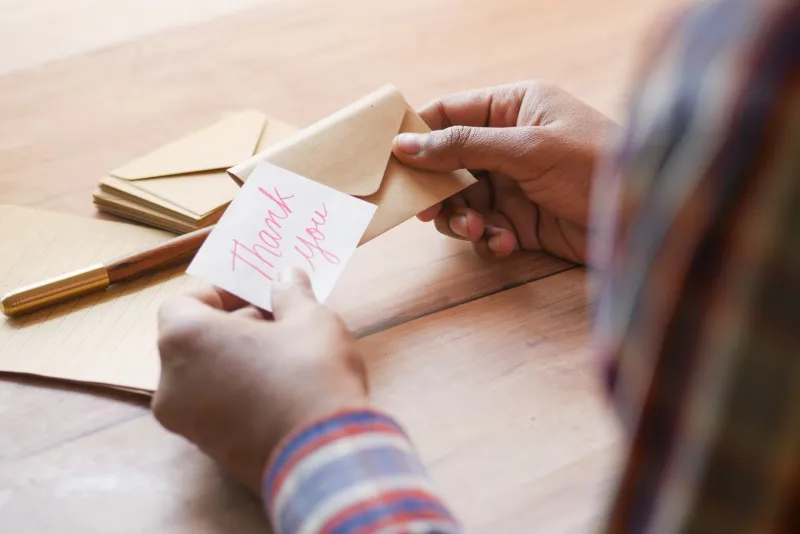
Somewhere in a drawer in almost every American home built before 1990, there was a box of stationery. Not a printer. Not a phone. A box — with envelopes, maybe a monogram, and a stack of notecards that smelled faintly of cedar and expectation. That box had a job to do, and it did it seriously.
For generations of Americans, expressing genuine gratitude wasn't something you squeezed into thirty seconds between scrolling sessions. It was a ritual. And like most rituals, it meant something precisely because it cost you something — time, attention, and a little bit of yourself left behind in ink.
The Ritual Behind the Return Address
After a job interview in 1975, you didn't fire off a quick email to the hiring manager. You went home, sat at a desk or kitchen table, pulled out a notecard, and composed a few sentences by hand. You thanked them for their time. You reaffirmed your interest. You signed your name and meant it. Then you found a stamp, wrote the address carefully so the post office could read it, and dropped the envelope in a mailbox — knowing it would arrive two days later, long after the conversation had already cooled.
The same went for wedding gifts. A relative drove four hours to attend your ceremony and handed you an envelope with a check inside. Within two weeks — sometimes sooner — a handwritten note arrived at their door. Not a group text. Not a Facebook post tagging everyone who came. A note, addressed specifically to them, referencing the gift by name and saying something real.
Dinner party hosts expected the same. If someone welcomed you into their home, fed you, and spent the evening entertaining you, a phone call the next morning was acceptable. A note in the mail was better. Both required you to stop, reflect, and actually articulate what you felt.
Why the Slowness Was the Whole Point
Here's the thing modern life tends to overlook: the delay wasn't a flaw in the system. It was the feature.
When someone took the time to handwrite a thank-you note, they were communicating something beyond the words on the page. They were saying: you mattered enough for me to sit down, think this through, and do something that took real effort. The two-day postal wait was built-in proof that the sender had actually paused their life for a moment.
Handwriting itself added another layer. Your penmanship, your word choice, the pressure of the pen on the paper — all of it carried personality in a way that no font ever could. A slightly crooked line or a crossed-out word didn't make the note worse. It made it more human.
Stationery stores understood this. So did department stores, which stocked entire sections of writing paper well into the 1980s. Hallmark built a business empire partly on the idea that the right card, signed by the right person, could carry emotional weight across hundreds of miles.
What Replaced It — and What Didn't Come With the Replacement
Today, gratitude is faster than it has ever been in human history. A thumbs-up emoji arrives in a fraction of a second. A voice memo takes thirty seconds to record. A text saying "omg thank you SO much!!" pops up before the giver has even left the parking lot.
None of that is insincere, exactly. But it's also nearly effortless. And when something costs nothing — no time, no materials, no concentration — it's hard to avoid the nagging sense that it means proportionally less.
The research on this is actually pretty interesting. Studies on gratitude consistently find that the act of expressing it thoughtfully — slowly, deliberately, with full attention — benefits the person giving thanks as much as the one receiving it. The process of writing forces reflection. It asks you to name specifically what someone did, why it mattered, and how it affected you. That's a very different cognitive exercise than tapping a heart on an Instagram comment.
There's also something worth noting about permanence. A handwritten note could be kept. Tucked into a box, slipped between pages of a book, or pinned to a bulletin board for years. People saved them. Some people still have notes from grandparents who have been gone for decades. Nobody is saving a text thread from 2019.
The Small Revival Nobody Expected
Interestingly, the handwritten note hasn't completely vanished. It's just become unusual enough to be remarkable.
In job hunting circles, career coaches have been quietly advising candidates for years that a handwritten follow-up after an interview will almost certainly set them apart — because almost nobody does it anymore. The very rarity of the gesture has restored some of its original power.
Wedding etiquette still technically requires handwritten thank-you notes, and bridal blogs spend considerable energy reminding couples of this. Plenty of people still comply. Plenty more feel vaguely guilty that they didn't.
And a small but growing segment of Americans — many of them younger, not older — have rediscovered the pleasure of writing letters and notes by hand. Stationery brands like Rifle Paper Co. have built real audiences. The "slow correspondence" movement has its own corners of Reddit and Instagram.
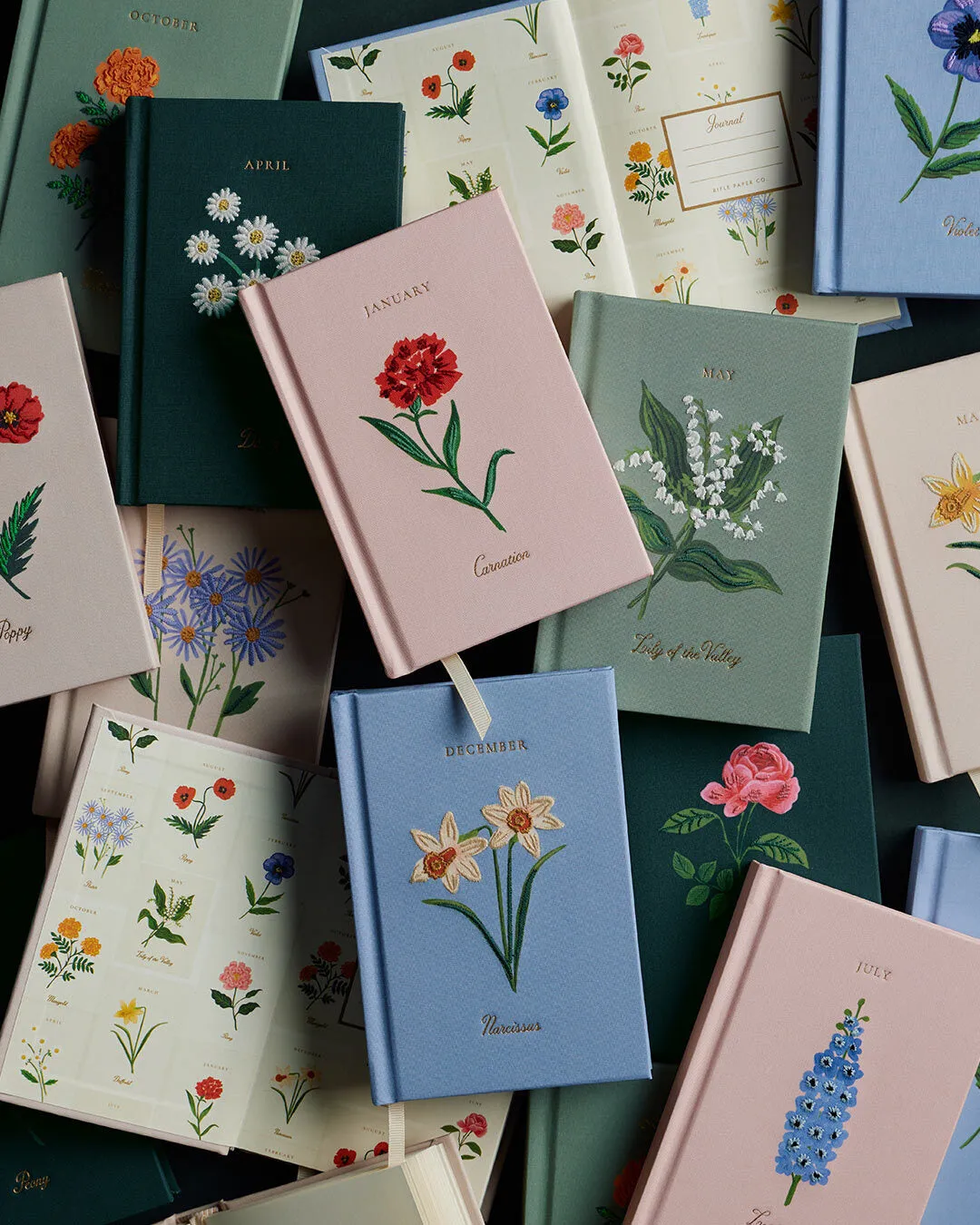 Photo: Rifle Paper Co., via riflepaperco.com
The Cost of Convenience
None of this is an argument that Americans should abandon their phones and return to fountain pens. That's not the point. The point is simply that something real was embedded in the old way of doing things — something the speed of modern communication quietly traded away.
When gratitude required a stamp and two days of waiting, it also required presence. It demanded that you stop moving long enough to acknowledge that another person had done something for you. That pause, that small act of stillness, was itself a form of respect.
We gained a lot when communication became instant. We just might want to remember what we left on the table — or more precisely, what we stopped leaving in the mailbox.