Fifty Papers, One Bike, and a Ledger Book: The Lost Education of the American Paper Route
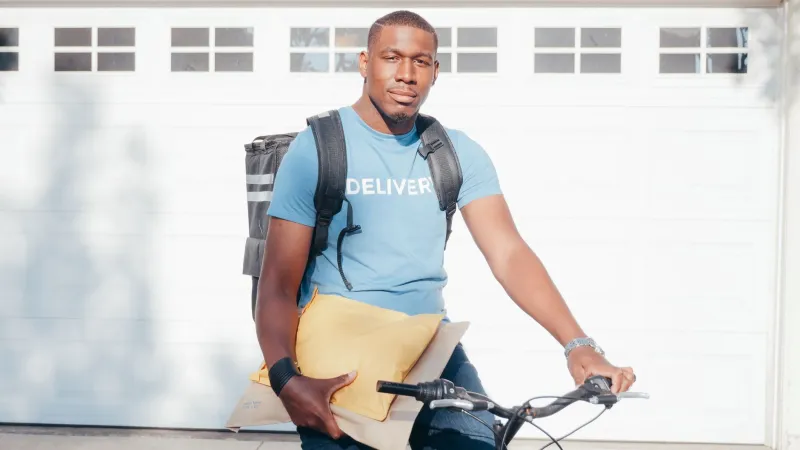
Somewhere around 4:45 in the morning, while the rest of the neighborhood was still asleep, a twelve-year-old in a windbreaker was already working. The canvas bag across their shoulder weighed more than it looked. The route was memorized. The customers were known by name. The dog at the end of Maple Street was a problem. And on Fridays, there were payments to collect.
The American paper route was, for most of the twentieth century, one of the most quietly remarkable institutions in the country. It handed genuine business responsibility to children who were barely old enough to shave — and it expected them to figure things out.
More Than Just a Morning Delivery
At its peak, newspaper delivery employed hundreds of thousands of young Americans. The setup was deceptively simple. A kid would contract with the local paper to deliver a set number of copies each day. They paid a wholesale rate for the papers and collected a retail rate from subscribers. The margin in between was theirs to keep.
That sounds straightforward until you realize what it actually meant. A ten-year-old was now running a micro-business with real customers, real accounts receivable, and real consequences for getting it wrong. Miss a delivery and you'd hear about it — directly, at the door, from a grown adult who expected better. Miscalculate your collections and you'd be short at the end of the month. Lose a customer to a competitor's route and that was revenue gone, no refund, no safety net.
Most kids carried small ledger books — actual handwritten records of who had paid, who owed, and who was behind. They knocked on doors every Friday or Saturday evening, made change out of their own pocket, and negotiated awkward conversations with adults who sometimes claimed they'd already paid when they hadn't. That last skill alone was worth more than most semester-long classes.
The Weather Was Non-Negotiable
Here's the part that modern kids would find genuinely unbelievable: none of it stopped when conditions got difficult.
Rain? You delivered. Snow? You delivered, probably on foot when the drifts got too deep for a bike. January at 5 a.m. in Minnesota? Still your problem. There was no app notification telling you the route was paused, no algorithm rescheduling your shift. Subscribers expected their paper on the porch every single morning, and if it wasn't there, the phone rang and the complaints landed on you — not a customer service department, not a manager. You.
That kind of accountability is hard to manufacture. It either happened or it didn't, and the market — in this case, a retired schoolteacher on Oak Avenue who liked her crossword with her coffee — delivered its verdict immediately.
What the Route Actually Taught
Talk to anyone who had a paper route in the 1950s, 60s, 70s, or even into the 80s, and they'll almost always describe it the same way: it was the first time they understood that money was connected to effort in a direct, unforgiving line. No route, no money. Bad service, fewer customers. More customers, better earnings. The logic was clean and honest in a way that very little else in childhood was.
They also learned neighborhoods. A paper carrier knew which houses had dogs, which customers tipped at Christmas, which families were struggling and might be late with payment, and which porch lights meant someone was up early and would want to chat. It was a strange, low-level social education — an introduction to the texture of a community that most adults never think to teach deliberately.
Some of the most famous names in American business history had paper routes. Warren Buffett delivered the Washington Post as a teenager and reportedly mapped his routes for maximum efficiency. That's not a coincidence. The route rewarded exactly the kind of thinking that builds lasting enterprises.
 Photo: Washington Post, via fintel.io
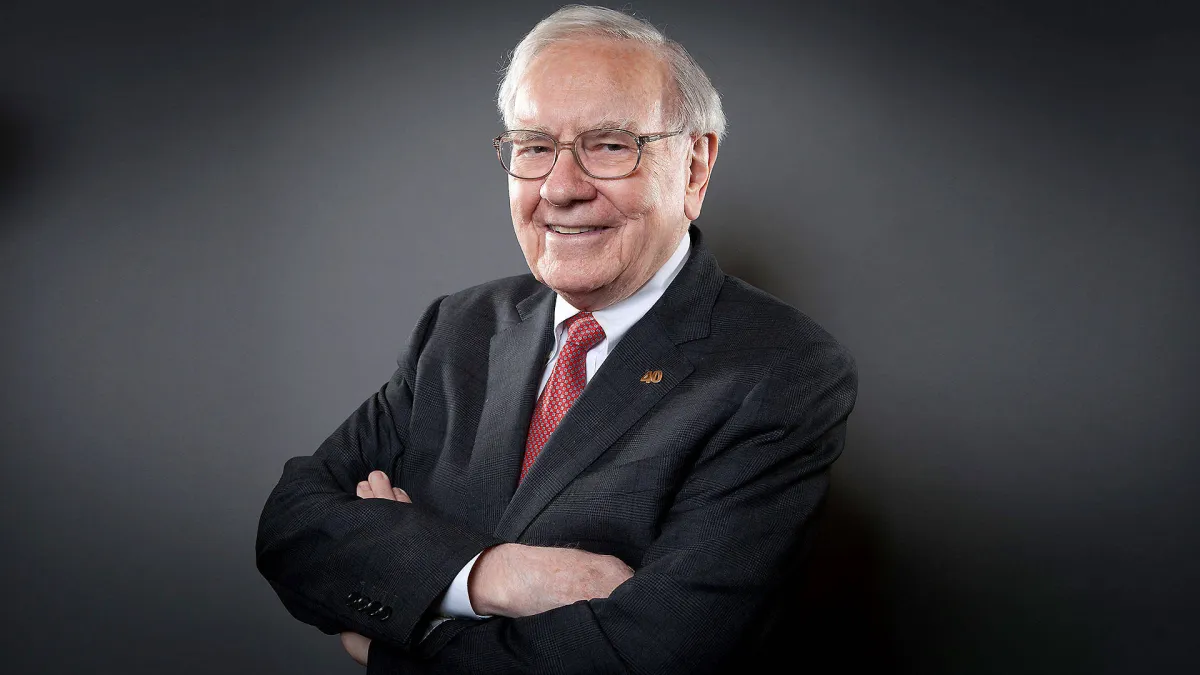 Photo: Warren Buffett, via wallpapers.com
Where Did It Go?
The decline wasn't sudden. It crept in alongside the slow collapse of the daily newspaper itself.
As circulation dropped through the 1990s and accelerated in the 2000s, papers consolidated routes and handed them to adult carriers with cars — people who could cover more ground faster, drive in bad weather, and didn't need to be home by dark. The economics of child labor law compliance also made the youth route increasingly complicated for publishers to manage at scale.
By the time most of today's twenty-somethings were old enough to have considered it, the paper route had already become something their parents talked about — a relic wrapped in nostalgia, like rotary phones and Saturday morning cartoons.
How Kids Earn Money Now
Today's young people aren't idle. They're selling on Depop, building audiences on YouTube, doing odd jobs through apps, and occasionally running genuinely impressive small businesses with parental guidance and social media savvy. In some ways, the ceiling for a motivated young entrepreneur is higher than it's ever been.
But the floor is different. The paper route required almost nothing to start — just a willingness to show up — and it delivered real-world consequences immediately. Today's money-making opportunities for kids tend to be mediated: by platforms, by parents, by algorithms that absorb the friction before it ever reaches the child.
There's something to be said for friction. It's where most of the learning happened.
A Quiet Kind of Graduation
The paper route didn't come with a ceremony. Nobody handed you a diploma when you finally paid off your first month's wholesale bill or landed your tenth new subscriber. But the kids who did it long enough came out the other side knowing something that's genuinely hard to teach in a classroom: that the world responds to effort, and that the response is rarely immediate, sometimes unfair, and always instructive.
We didn't lose just a delivery method when the paper route disappeared. We lost one of the few institutions that handed real responsibility to children and then got out of the way.