Sealed With Meaning: The Slow, Deliberate Ritual of Saying Thank You on Paper
Photo: Manuel Groß, CC0, via Wikimedia Commons
Somewhere in a kitchen drawer, buried under expired coupons and takeout menus, there's probably a box of thank-you cards you bought three years ago and never used. You meant to. Life got in the way. A quick text did the job well enough.
For most of American history, that shortcut didn't exist — and even if it had, your mother never would have allowed it.
The Stationery Drawer Was Sacred
Ask anyone who grew up before 1990 what happened after a birthday party, and the answer is almost universal: you sat down and wrote the notes. Not after dinner. Not eventually. Usually within the week, and sometimes sooner if the gift-giver was the type to notice.
This wasn't just a family quirk. It was a broadly shared cultural expectation that touched every corner of American social life. Children learned it young — often guided by a parent who stood over their shoulder correcting spelling and reminding them to mention the specific gift, not just offer a generic "thanks for the present." That detail mattered. It proved you'd actually paid attention.
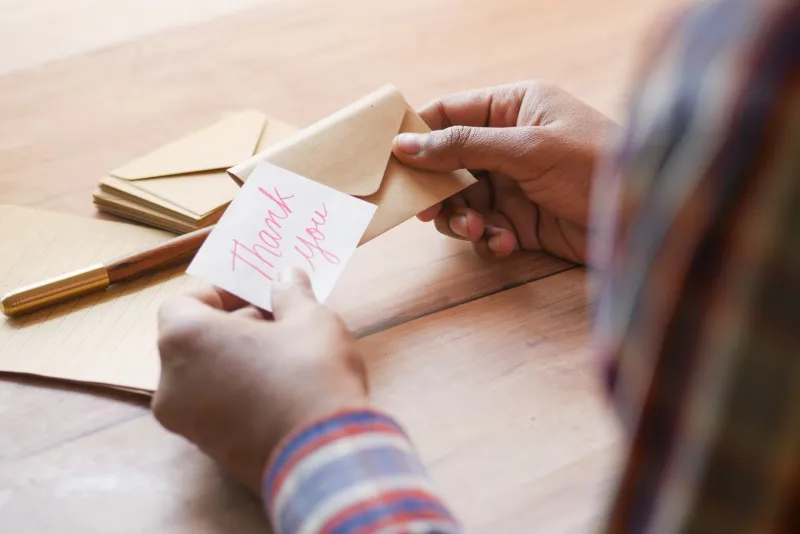
The ritual had weight because it had texture. You chose your stationery. Some households kept a dedicated supply — pale blue cards with a simple border, or heavier cream stock reserved for more formal occasions. You picked up a pen, not a keyboard. You thought about what you wanted to say before you said it, because there was no backspace key and crossing things out looked sloppy. Then you addressed the envelope by hand, found a stamp, and walked the thing to a mailbox.
Start to finish, a single thank-you note might take fifteen minutes. Multiply that by a stack of birthday gifts, and you had yourself a Sunday afternoon project.
Beyond Birthdays — The Full Social Calendar of Gratitude
Birthday notes were just the beginning. Wedding etiquette once held that every gift received — and a proper mid-century wedding might bring in two hundred of them — required a handwritten response within a few weeks of the ceremony. Bridal guides dedicated entire chapters to this obligation. Miss Manners didn't treat it as optional.
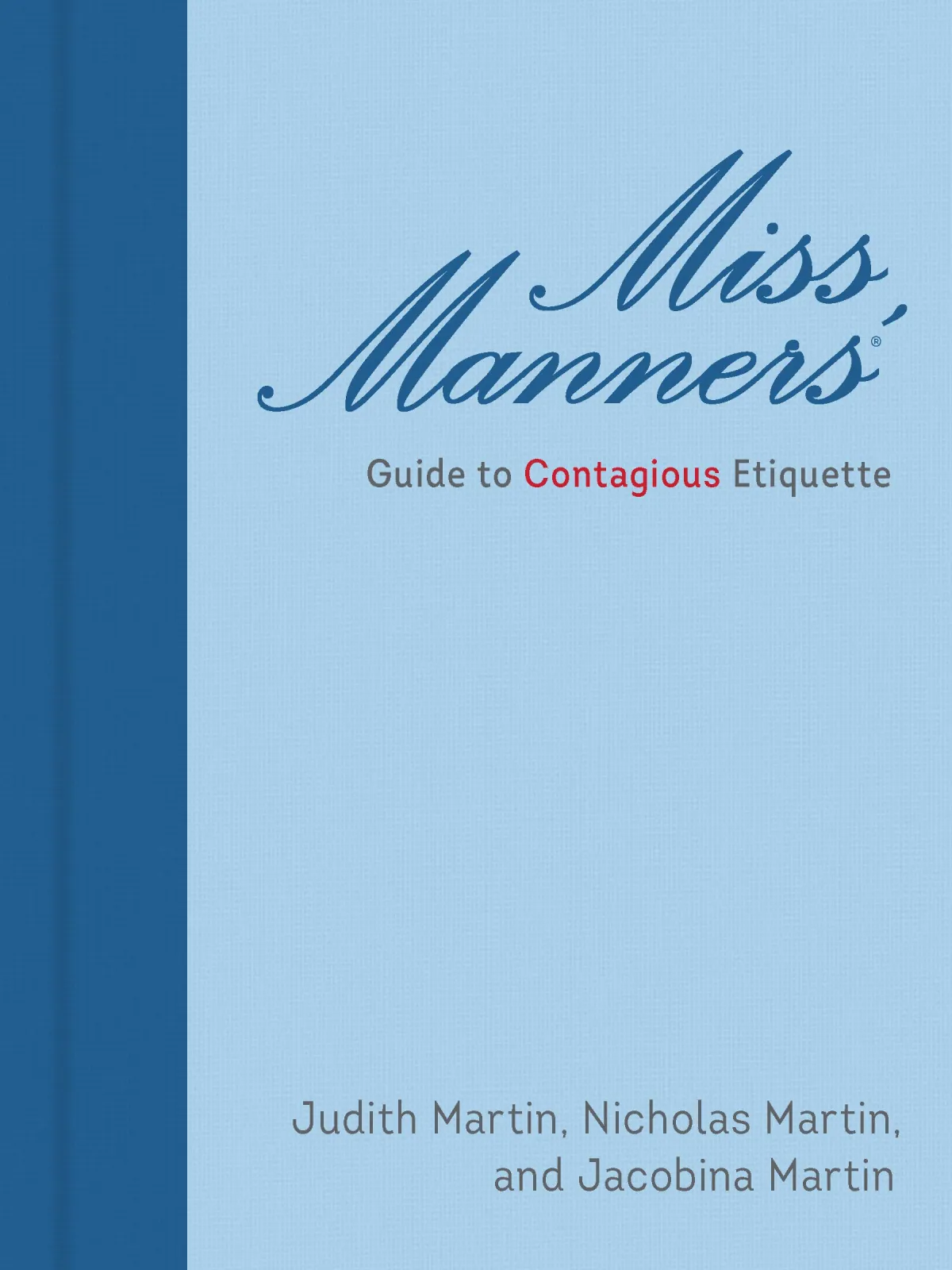 Photo: Miss Manners, via images-na.ssl-images-amazon.com
Job interviews had their own version of the rule. Career advisors from the 1950s through the 1990s were unanimous: a handwritten note to your interviewer, mailed the same day, was what separated the serious candidate from the forgettable one. It demonstrated follow-through. It showed you could handle professional courtesy without being prompted.
Hospitality notes were their own category. Stay at someone's home for a weekend, and a note went in the mail on Monday. Accept a dinner invitation, and the hostess heard from you before the following week was out. These weren't grand gestures — they were the basic maintenance of social relationships, as routine as locking the front door.
What Changed, and How Fast It Happened
Email arrived and the first cracks appeared. Suddenly a quick message felt almost as personal as a letter — at least to the sender. Cell phones accelerated the slide. Texting made instant responses not just possible but expected. By the time social media gave everyone a public platform to post a grateful caption and tag the gift-giver, the handwritten note had started to feel almost quaint.
The shift happened fast enough that it created a visible generational gap. People who grew up writing notes still notice when they don't receive them. People who grew up texting often don't realize anything is missing. Neither group is wrong, exactly — but something real changed in the transaction.
Here's what the speed costs: effort is itself a form of communication. When you take fifteen minutes to write a note, find an envelope, track down a stamp, and mail it, the recipient knows you spent that time on them. The note becomes evidence of the thought, not just a record of it. A text delivered in twelve seconds carries a different weight, no matter how warm the words.
The Quiet Comeback Nobody Predicted
Here's the twist: the handwritten note isn't entirely dead. If anything, its scarcity has made it more powerful than ever.
Stationery sales have quietly climbed over the past decade. Etsy shops selling custom notecards do consistent business. A growing number of career coaches have started recommending the post-interview thank-you note again — not because it's old-fashioned, but precisely because so few candidates bother anymore. In a sea of follow-up emails, a physical note lands differently.
Young couples planning weddings increasingly debate the thank-you note question on forums and in bridal groups. The conversation itself is telling. A generation that grew up without the obligation is now choosing it voluntarily, often because they've received a handwritten note from someone and felt the difference firsthand.
The Thing That Slow Gratitude Actually Did
There's a reason the ritual persisted for so long. Writing a thank-you note forced you to sit quietly with the fact that someone had done something for you. You had to articulate why it mattered. You had to address them by name, think about your relationship, and sign off with something genuine.
That process — slow, slightly inconvenient, impossible to automate — was the point. Gratitude that costs nothing to express is easy to feel and just as easy to forget. Gratitude that requires a Sunday afternoon has a way of sticking around.
The emoji isn't going anywhere. But the next time a card arrives in your mailbox — actual paper, actual handwriting, actual stamp — notice how differently it lands. That feeling is the whole story.