How different was the world before now?

Bygones vs Today

How different was the world before now?

Latest Articles

Gone After Two Rings: The Vanished Art of Catching Someone at Home
Lifestyle

Gone After Two Rings: The Vanished Art of Catching Someone at Home

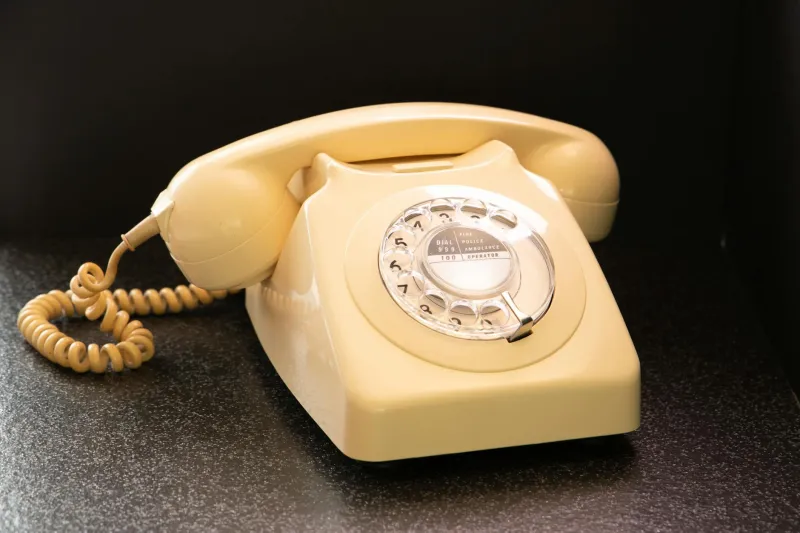
Before answering machines became a household staple, a missed phone call disappeared into thin air — no message, no number, no clue who was on the other end. Americans once built their entire daily schedules around the fragile hope of catching someone at home. The contrast with today's world of instant notifications and voicemail-to-text is almost hard to believe.

No Signal, No Problem — Except When It Was: Life Before You Could Reach Anyone, Anytime
Lifestyle

No Signal, No Problem — Except When It Was: Life Before You Could Reach Anyone, Anytime

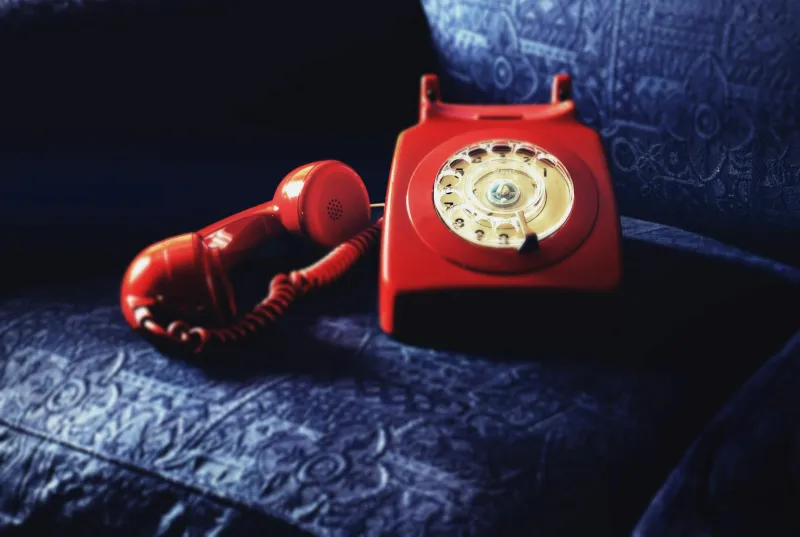
Before smartphones turned every pocket into a communication hub, staying in touch with the people you cared about required real planning, genuine patience, and the occasional sprint to a payphone. The story of how Americans talked to each other — before they could do it instantly — is stranger and more stressful than most of us remember.

Brochures, Blind Faith, and a Rotary Phone: The Forgotten Ordeal of Planning a Family Vacation
Travel

Brochures, Blind Faith, and a Rotary Phone: The Forgotten Ordeal of Planning a Family Vacation

Before Expedia, Google Maps, and TripAdvisor, planning a family vacation meant calling a travel agent, mailing away for paper brochures, and booking hotels you'd never seen a single photo of. It was an act of genuine optimism — and sometimes, a leap into the complete unknown.

Your Money Was Locked Up Until Tuesday: Banking in America Before the ATM
Lifestyle

Your Money Was Locked Up Until Tuesday: Banking in America Before the ATM

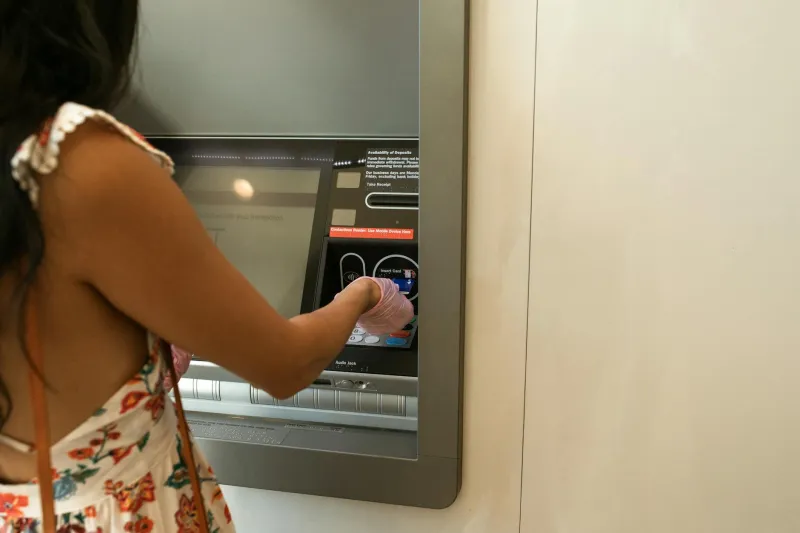
Before ATMs, debit cards, and mobile banking, getting your own money out of the bank was a planned event — not a two-minute errand. For mid-century Americans, cash required relationships, patience, and a whole lot of foresight. Here's what that world actually looked like.

A House, a Car, and a College Degree: What One Salary Used to Cover — and Why That Math Doesn't Work Anymore
Health

A House, a Car, and a College Degree: What One Salary Used to Cover — and Why That Math Doesn't Work Anymore

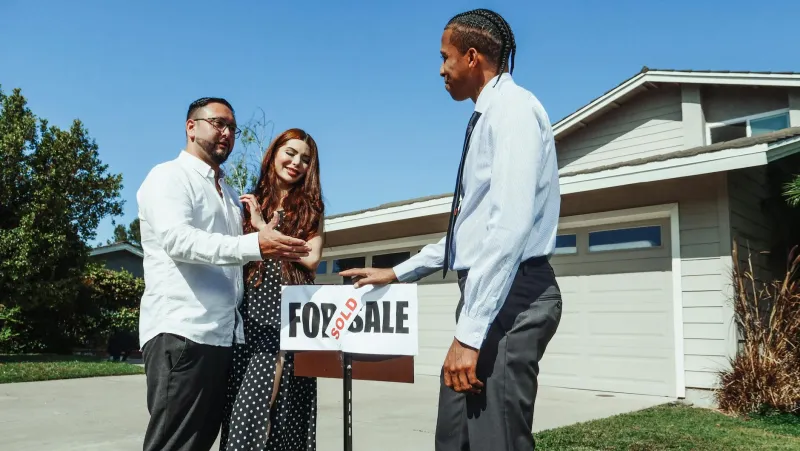
In the 1950s, a single income could comfortably cover a mortgage, a new car, and a college education without sending a family into debt. Decades later, that same financial equation has been rewritten almost beyond recognition. Here's an honest look at what changed — and what it actually means for Americans today.

Lost on Purpose: The Glorious Chaos of the American Road Trip Before GPS Took the Wheel
Lifestyle

Lost on Purpose: The Glorious Chaos of the American Road Trip Before GPS Took the Wheel

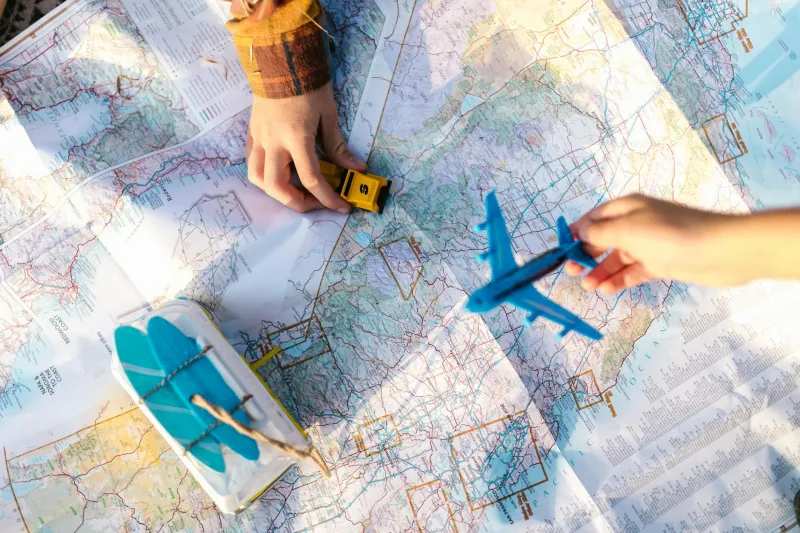
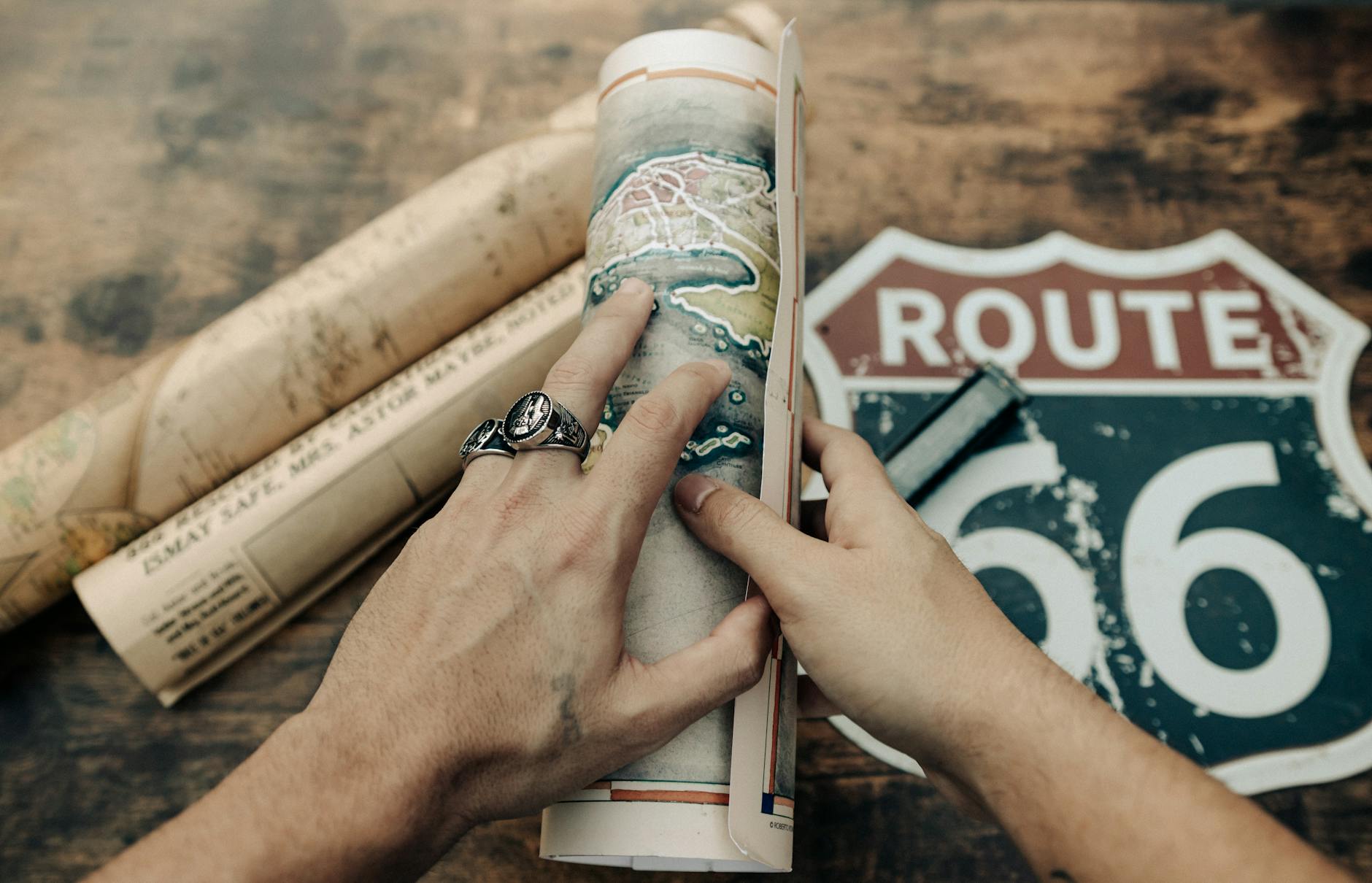
Before smartphones and turn-by-turn navigation, a road trip across America meant paper maps, handwritten directions, gas station debates, and the very real chance of ending up somewhere completely unplanned. That unpredictability wasn't a flaw — for millions of Americans, it was the whole point.

When Flying Across America Was a Three-Day Ordeal — And Only the Wealthy Dared Try It
Travel

When Flying Across America Was a Three-Day Ordeal — And Only the Wealthy Dared Try It

Before jet engines shrank the continent, crossing America by air meant multiple fuel stops, overnight hotel stays, and a ticket price that rivaled a month's wages. The story of how coast-to-coast travel transformed from a grueling expedition into a five-hour routine is more dramatic than most people realize.

Gas, Maps, and a Prayer: What a Cross-Country Drive Actually Looked Like in 1955
Travel

Gas, Maps, and a Prayer: What a Cross-Country Drive Actually Looked Like in 1955

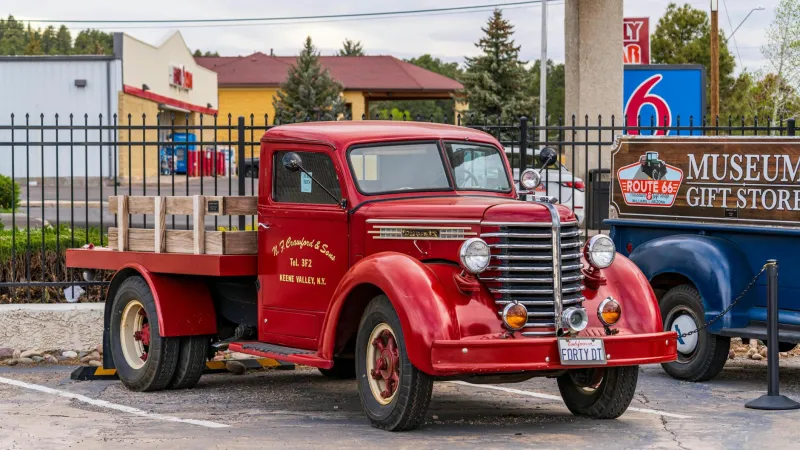
Driving across America in 1955 meant paper maps, unreliable engines, and hunting for a decent place to sleep before dark. The miles haven't changed — but almost everything else about the journey has transformed beyond recognition.

Cart Culture: The Surprisingly Radical Transformation of the American Grocery Run
Lifestyle

Cart Culture: The Surprisingly Radical Transformation of the American Grocery Run

Walking into a grocery store in 1960 meant choosing from a few hundred products, buying whatever was in season, and spending a lot more time in the kitchen. Today's mega-markets carry tens of thousands of items from every corner of the globe. The weekly food shop has been quietly reinvented — and most of us never noticed it happening.

One Doctor, No Google: How Americans Dealt With Getting Sick in 1970
Health

One Doctor, No Google: How Americans Dealt With Getting Sick in 1970

In 1970, if you woke up feeling awful, your options were limited: wait for an appointment, call a nurse's line, or just tough it out. There was no WebMD, no urgent care on every corner, and no way to look up your symptoms at midnight. The world of American healthcare has shifted so dramatically since then that it's almost unrecognizable.