Bygones vs Today How different was the world before now?

Bygones vs Today

How different was the world before now?

Latest Articles

One Glass Case, One Expert, and a Lifetime Decision: How Buying an Engagement Ring Used to Work
Lifestyle

One Glass Case, One Expert, and a Lifetime Decision: How Buying an Engagement Ring Used to Work

Not long ago, buying an engagement ring meant walking into a single store, trusting a stranger's word on quality, and leaving with something you couldn't fully verify. No reviews, no comparison tabs, no gemological certificates printed from a website. Just faith, savings, and a handshake. The way Americans buy diamonds today couldn't be more different — and it raises an interesting question about what we actually gained.
Sealed With Meaning: The Slow, Deliberate Ritual of Saying Thank You on Paper
Lifestyle

Sealed With Meaning: The Slow, Deliberate Ritual of Saying Thank You on Paper

There was a time when gratitude wasn't something you tapped out in thirty seconds and forgot. The handwritten thank-you note was a genuine social obligation — one that required stationery, thought, and a trip to the mailbox. Here's what happened when we traded all of that for a thumbs-up emoji.

When the Lights Went Out at Five: America's Lost World of Closed Doors and Quiet Sundays
Lifestyle

When the Lights Went Out at Five: America's Lost World of Closed Doors and Quiet Sundays

There was a time when America genuinely shut down at the end of the business day — stores locked their doors at five, nothing opened on Sundays, and the idea of a 24-hour grocery store would have sounded like science fiction. That world shaped how people lived, planned, and connected in ways we've almost completely forgotten.

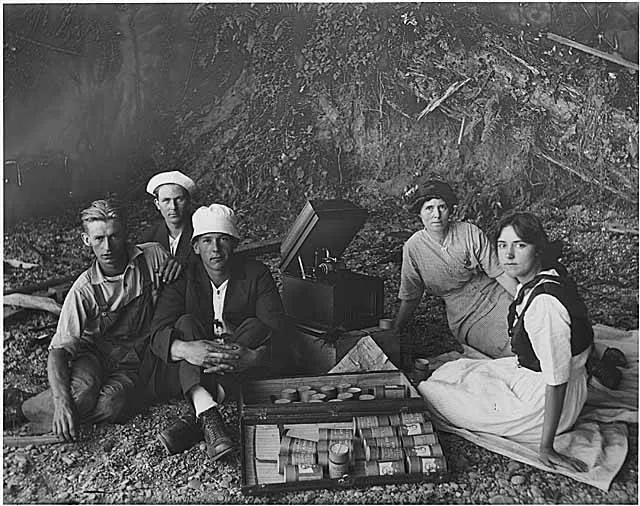
Static, Luck, and a Dollar Forty-Nine: How Teenagers Once Hunted Down Music They Loved
Health

Static, Luck, and a Dollar Forty-Nine: How Teenagers Once Hunted Down Music They Loved

Before algorithms decided what you'd like next, discovering a great song was an adventure with no guaranteed outcome. For American teenagers from the 1950s through the 1980s, new music arrived through crackling radio signals, dog-eared record store bins, and borrowed cassette tapes — slowly, regionally, and unforgettably. Something about that friction made the music matter more.

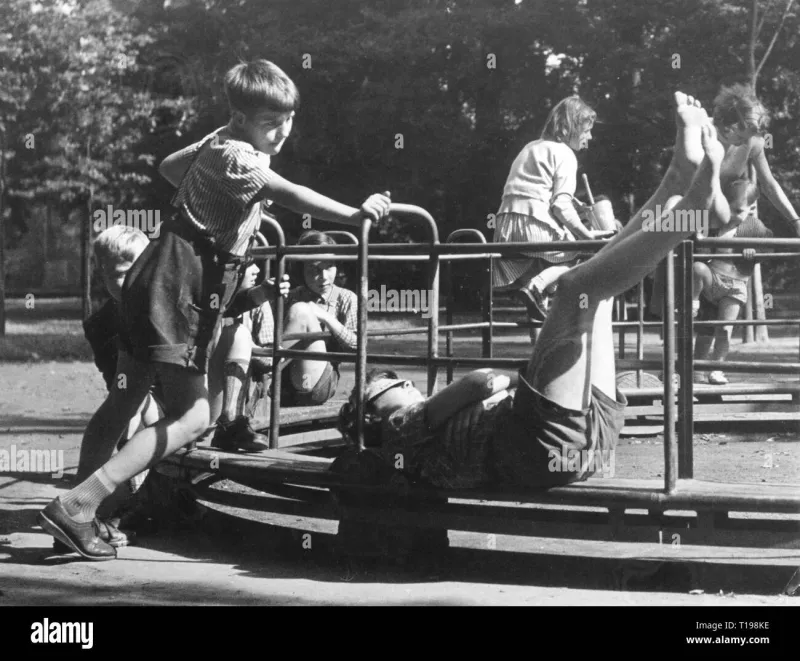
Nobody Blew the Whistle: The Unruly, Ungoverned Hour That Taught Kids Everything
Health

Nobody Blew the Whistle: The Unruly, Ungoverned Hour That Taught Kids Everything

For most of the twentieth century, American schoolchildren spent recess largely on their own — negotiating rules, settling disputes, and occasionally bleeding a little. No adult refereed. No app tracked their activity. They figured it out. Today's recess looks almost nothing like that, and the difference says a lot about how America now thinks about children, risk, and growing up.

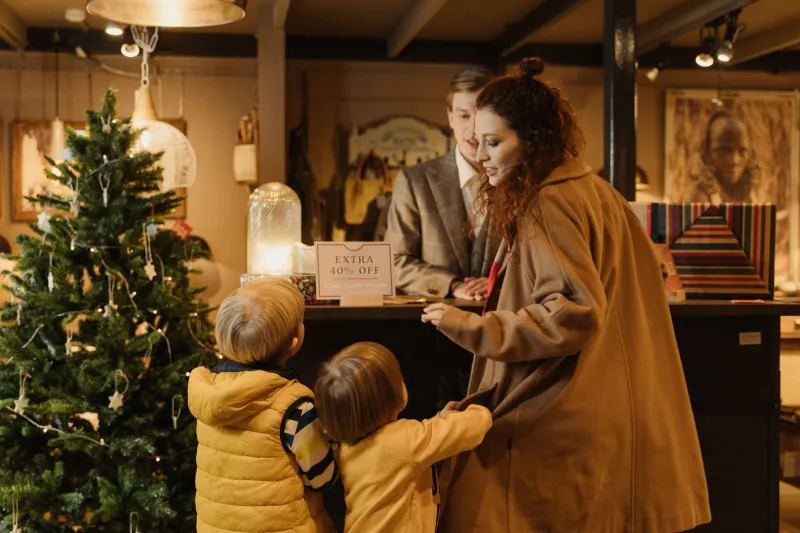
Held at the Counter: The Slow, Deliberate Joy of Paying for Christmas in Installments
Lifestyle

Held at the Counter: The Slow, Deliberate Joy of Paying for Christmas in Installments

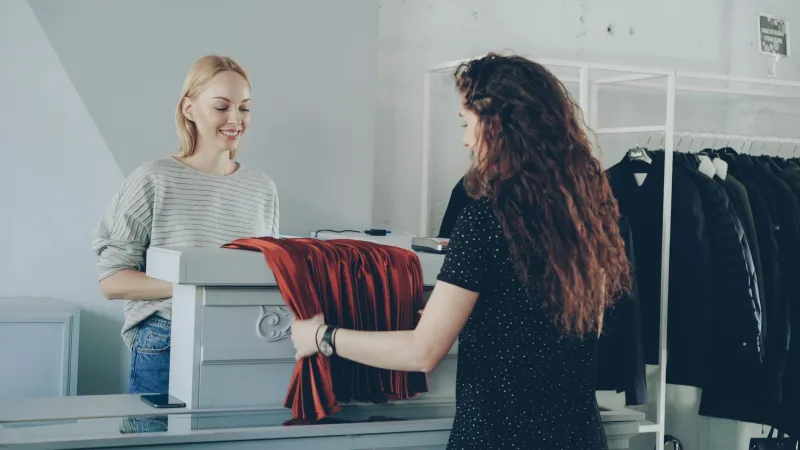
Before one-click checkout and buy-now-pay-later apps, millions of American families walked into Kmart or Sears in September and started paying for Christmas a little at a time. Layaway wasn't just a payment method — it was a philosophy about money, patience, and what it meant to actually earn a gift. That philosophy is almost completely gone now.

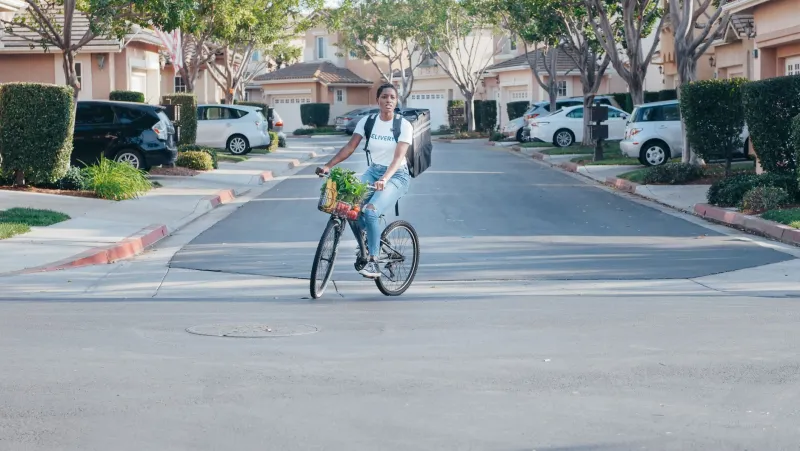
Six Days a Week, Rain or Shine: The Paperboy Who Owned Your Morning
Lifestyle

Six Days a Week, Rain or Shine: The Paperboy Who Owned Your Morning

Before push notifications and algorithmic feeds, a kid on a bicycle was your first connection to the world each morning. The paperboy wasn't just delivering news — he was delivering a ritual that held entire neighborhoods together. Here's what we lost when that folded paper stopped landing on the porch.

Flour-Stained Index Cards and Secret Measurements: How America's Kitchen Wisdom Disappeared
Lifestyle

Flour-Stained Index Cards and Secret Measurements: How America's Kitchen Wisdom Disappeared

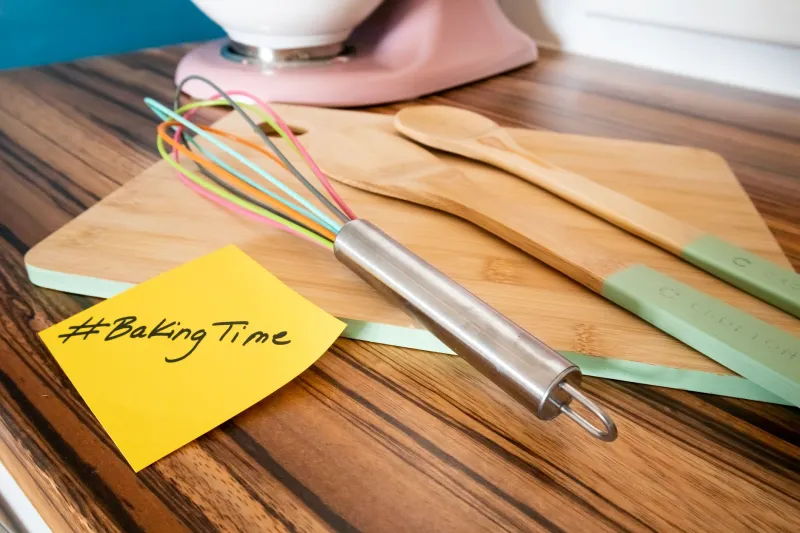
For generations, American families treasured handwritten recipe boxes filled with coffee-stained cards and penciled notes from mothers and grandmothers. Today's algorithmic meal plans and viral cooking videos offer infinite options but lack the irreplaceable personal touch of inherited culinary wisdom.

Christmas in July: When Americans Waited Months to Own What They Wanted Most
Lifestyle

Christmas in July: When Americans Waited Months to Own What They Wanted Most

Before credit cards and one-click purchasing, American families used layaway programs to slowly pay for special purchases over months. This forgotten retail ritual taught patience and made ownership feel earned rather than instant.

The Teacher Who Taught Everything: When America's Smallest Schools Created the Biggest Impact
Lifestyle

The Teacher Who Taught Everything: When America's Smallest Schools Created the Biggest Impact

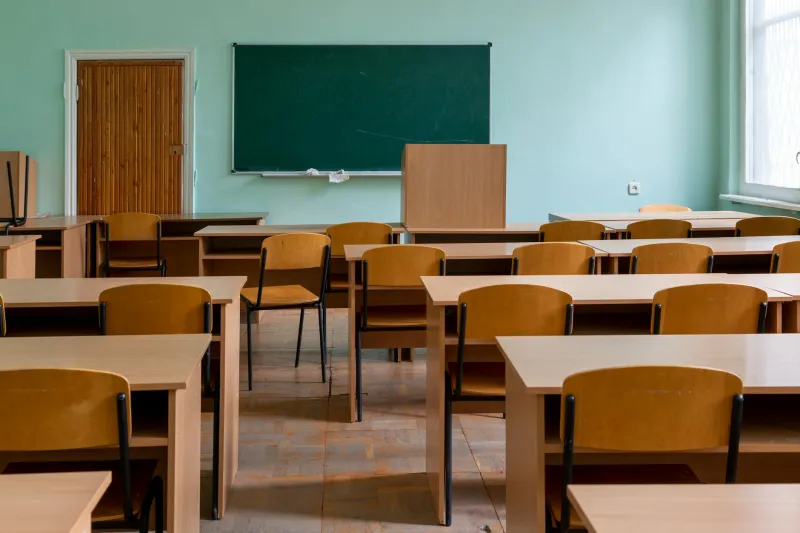
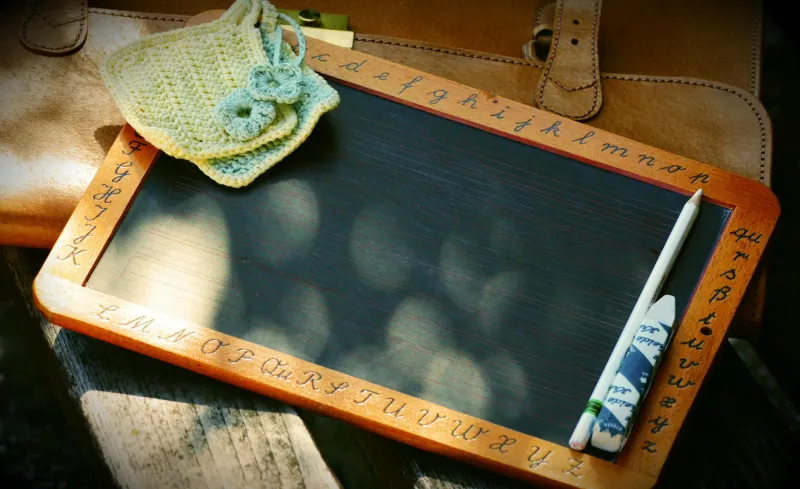
One teacher, eight grades, thirty students in a single room—this was American education for millions of children well into the 20th century. These one-room schoolhouses created surprisingly intimate learning communities where older students taught younger ones and every child was truly known.

The Paddle, the Phone Call, and the Permanent Record: When School Discipline Was Swift, Final, and Terrifying
Health

The Paddle, the Phone Call, and the Permanent Record: When School Discipline Was Swift, Final, and Terrifying

A generation ago, school discipline was immediate, unquestionable, and carried real consequences that followed you home. Today's elaborate appeals processes, formal hearings, and student rights advocacy have transformed punishment into bureaucracy—but at what cost to classroom order?

Bologna Sandwiches and Roadside Diners: When American Families Actually Cooked Their Way Across the Country
Travel

Bologna Sandwiches and Roadside Diners: When American Families Actually Cooked Their Way Across the Country

Before every highway exit promised identical chain restaurants, American road trips meant packing elaborate coolers, hunting for local diners, and discovering regional specialties. The journey from homemade road food to fast-food uniformity changed more than just what we ate—it transformed how we experienced the country itself.

When a Twenty-Five Dollar Gift Lasted Twenty Years: How America Stopped Believing in Slow Money
Lifestyle

When a Twenty-Five Dollar Gift Lasted Twenty Years: How America Stopped Believing in Slow Money

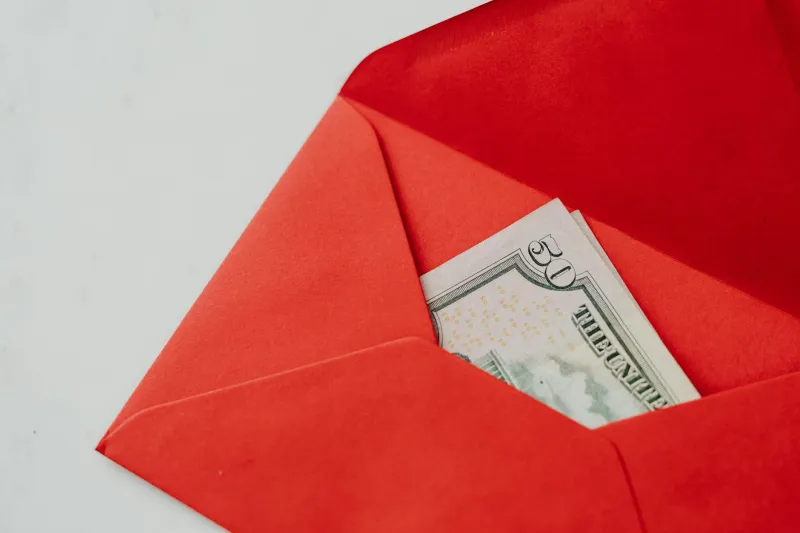
For generations, US savings bonds were the gold standard of thoughtful gifts — a $25 investment that would double in twenty years. Today's Americans chase instant returns through apps and algorithms, abandoning the patient wealth-building that once defined financial wisdom.

The Neighborhood Fix-It Heroes: When America's Repair Shops Kept Everything Running Forever
Lifestyle

The Neighborhood Fix-It Heroes: When America's Repair Shops Kept Everything Running Forever

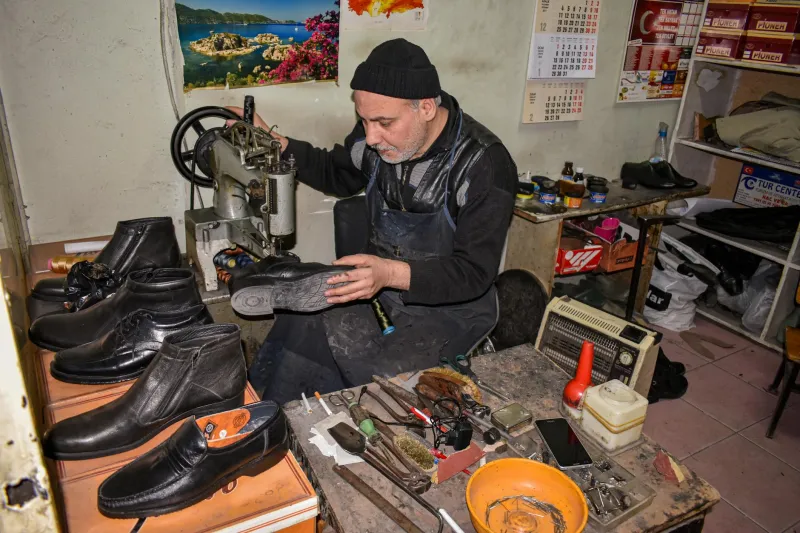
Every American neighborhood once had a cobbler, watch repair shop, and TV repair guy who could resurrect anything. These skilled craftspeople turned broken items into family heirlooms that lasted decades, creating a culture where throwing things away was almost unthinkable.

The Doctor Who Knew Your Childhood Secrets: When Healthcare Was Personal, Not Corporate
Health

The Doctor Who Knew Your Childhood Secrets: When Healthcare Was Personal, Not Corporate

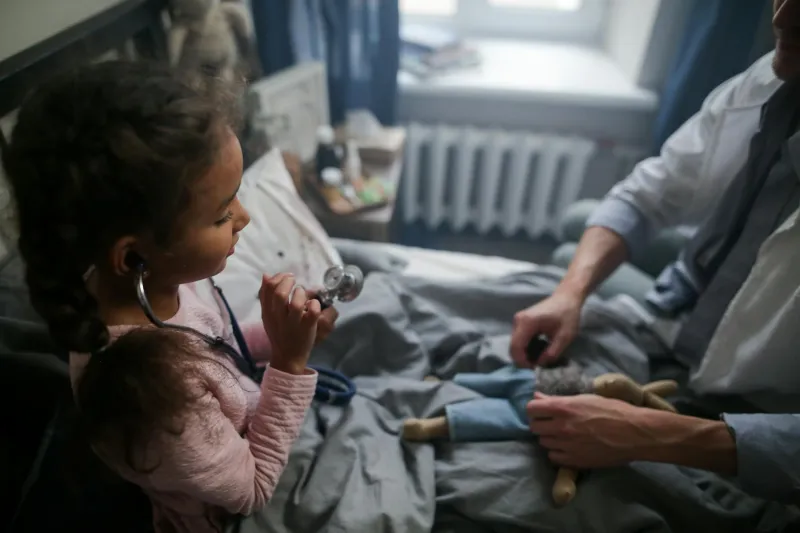
American families once had a single physician who delivered their babies, treated their illnesses, and carried decades of medical history entirely in his memory. This deeply personal model of care built on trust and familiarity has given way to a fragmented system of specialists and twelve-minute appointments with strangers.

From Folded Notes to Instant Everything: The Secret Language of American Teenage Connection
Lifestyle

From Folded Notes to Instant Everything: The Secret Language of American Teenage Connection

American teenagers have always found ingenious ways to stay connected, from elaborate note-passing systems in school hallways to monopolizing family phone lines for hours. Each generation created its own secret communication rituals that today's always-connected teens would find both charming and impossible.

Shoe Leather and Firm Handshakes: When Getting Hired Meant Showing Up at the Front Door
Lifestyle

Shoe Leather and Firm Handshakes: When Getting Hired Meant Showing Up at the Front Door

Before LinkedIn profiles and applicant tracking systems, finding a job in America meant typing resumes on quality paper, walking into businesses unannounced, and asking to speak with the manager. It was a world where local reputation mattered more than search engine optimization and where a firm handshake could seal your professional fate.

Saturday Night Under the Stars: When America's Date Night Happened in the Front Seat
Lifestyle

Saturday Night Under the Stars: When America's Date Night Happened in the Front Seat

Before Netflix and chill, there was the drive-in movie theater — a uniquely American institution where families and couples watched films from their cars under open skies. At their peak in the 1960s, over 4,000 drive-ins dotted the landscape, creating a social experience that streaming simply can't replicate.

Box Scores and Coffee Stains: When Sports Fans Lived on Yesterday's News
Lifestyle

Box Scores and Coffee Stains: When Sports Fans Lived on Yesterday's News

Before ESPN highlights and fantasy sports apps, American sports fans got their fix from newspaper box scores, radio broadcasts, and Monday morning debates around the office water cooler. Following your team meant patience, memory, and a genuine appreciation for the delayed gratification of athletic storytelling.

The Final Ring: When America's Phone Lines Had Limits and Nobody Got Through
Lifestyle

The Final Ring: When America's Phone Lines Had Limits and Nobody Got Through

Before call waiting and voicemail, a busy signal meant exactly that — you were locked out until someone hung up. Americans built their entire communication strategy around the reality that reaching someone might take hours or even days.