The National Anthem at Midnight: When American Television Actually Went to Sleep
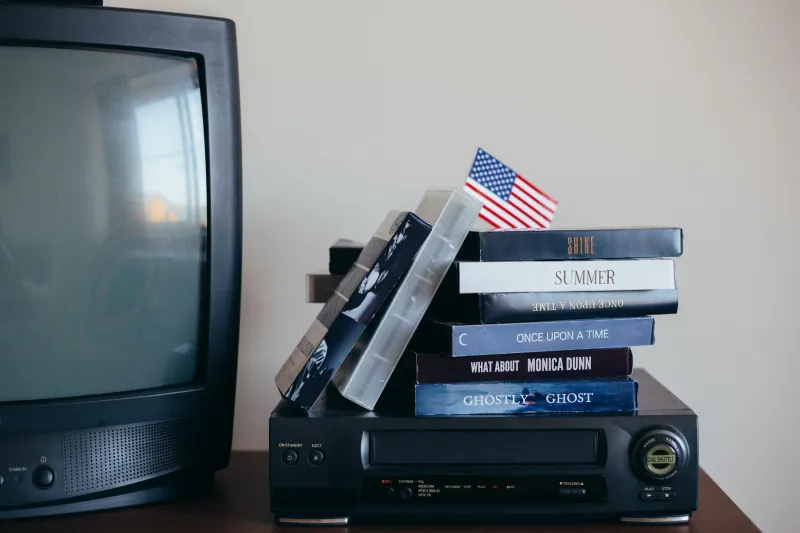
When the Flag Waved Goodbye
Every night for decades, television stations across America performed the same ritual: as the clock approached midnight (or sometimes earlier), programming would end with the national anthem playing over footage of the American flag. Then, without fanfare or apology, the screen would dissolve into static snow, and that was it until morning.
This wasn't a technical malfunction or budget constraint — it was simply how television worked. Broadcasters signed off for the night, engineers went home, and families across the country had to find something else to do until the test pattern appeared around 6 AM.
Today's generation, raised on Netflix and 24-hour cable, can barely comprehend a world where entertainment had a bedtime. But for Americans from the 1940s through the 1980s, the sign-off wasn't just normal — it was the rhythm that governed household life.
The Economics of Electricity and Empty Airtime
Television stations didn't stay on all night because there was no economic reason to do so. Advertisers weren't interested in reaching the handful of insomniacs still awake at 2 AM, and broadcasting equipment was expensive to operate. Why pay engineers to transmit programming to an audience that barely existed?
Local stations typically signed off between 11 PM and 1 AM, depending on their market size and resources. Smaller markets might shut down as early as 10 PM, while major cities could stretch until midnight or slightly beyond. But even in New York and Los Angeles, the biggest broadcasting markets in the country, prime time ended when the station manager decided it ended.
 Photo: Los Angeles, via c8.alamy.com
 Photo: New York, via 1.bp.blogspot.com
The sign-off sequence itself became a cherished tradition. Stations would play patriotic music, show local landmarks, or broadcast inspirational messages. Some featured a chaplain delivering a brief blessing for the night ahead. The national anthem was almost universal, creating a shared moment of closure that connected viewers across the country.
Appointment Television and the Power of Scarcity
When television had a bedtime, every program carried weight. Missing your favorite show meant waiting a week for the next episode — there were no reruns in primetime, no DVRs, and definitely no streaming services with entire seasons available on demand.
Families planned their evenings around broadcast schedules they couldn't control. Dinner happened before the 7 PM news. Homework was finished before the 8 PM family hour. Social events ended early on nights when something special was broadcasting. The television schedule wasn't just programming — it was a social calendar that millions of Americans organized their lives around.
Children learned to negotiate for later bedtimes when special programs conflicted with their usual routine. Parents used television privileges as leverage: finish your chores before your show starts, or miss it entirely. There was no pause button, no second chance, no way to catch up later.
The Quiet Hours That Shaped American Nights
What happened after the national anthem played and the screen went dark? Families actually talked to each other. People read books. Couples spent time together without competing against the glow of screens. Night owls found other ways to occupy themselves — late-night radio, reading, hobbies that didn't require electricity.
The sign-off created a natural transition into sleep mode that modern Americans have completely lost. When entertainment stopped, your body received a clear signal that the day was ending. There was no temptation to watch "just one more episode" because there were no more episodes until tomorrow.
Insomniacs had limited options: read a book, listen to distant radio stations, or stare at test patterns until programming resumed. Some people actually found the test pattern hypnotic, using it as a form of meditation or white noise. The electronic hum of dead air became the soundtrack of American midnight.
When Boredom Was an Accepted Part of Life
The nightly sign-off normalized something that modern technology has nearly eliminated: boredom. There were hours each day when entertainment simply wasn't available, and Americans had to create their own amusement or learn to sit quietly with their thoughts.
This forced downtime cultivated patience and creativity in ways that constant stimulation never could. Children learned to entertain themselves. Adults developed hobbies and interests beyond passive consumption. Families created their own traditions to fill the quiet hours.
Weekend mornings were particularly stark — no cartoons until the stations signed back on, no background noise to ease the transition from sleep to waking. Saturday morning cartoons felt special precisely because they weren't available all the time.
The End of Shared National Bedtime
Cable television began chipping away at the sign-off tradition in the 1980s, offering 24-hour programming that kept screens glowing through the night. CNN launched as a round-the-clock news service in 1980, and other networks quickly followed with overnight programming blocks.
By the 1990s, the nightly sign-off had become a relic. Local stations still performed the ritual, but viewers could easily flip to cable channels that never went dark. The shared national bedtime dissolved into individual choice, and with it, a piece of American cultural rhythm disappeared forever.
Streaming services have completed the transformation, making the very concept of broadcast schedules seem archaic. There's always something to watch, always another episode queued up, always a reason to stay awake just a little longer.
The Screen That Knew When to Rest
Looking back, the nightly sign-off seems almost quaint — a time when technology respected human circadian rhythms instead of fighting them. Television stations that went to sleep created space for families to connect, for individuals to reflect, and for communities to share the quiet ritual of ending each day together.
In our always-on world, where screens never rest and entertainment never stops, perhaps we lost something valuable when we gained the ability to watch anything, anytime. The flag that waved goodbye each night wasn't just ending television programming — it was protecting something precious about the rhythm of American life.