Fence Lines and Fishing Boats: When Social Status Was Measured in Driveways, Not Data
The Geography of American Ambition
Walk through any American suburb in 1965, and you could read the neighborhood's economic story just by looking around. The Johnsons got a promotion — there's their new Oldsmobile gleaming in the driveway. The Millers are struggling — their lawn hasn't been mowed in three weeks, and that screen door is still hanging crooked from last winter's storm.
This was the original social media: a physical display of status that played out across property lines, where success was measured in square footage and failure was visible from the street. Before algorithms curated our envy, Americans competed against people they waved to every morning and borrowed sugar from on Sunday afternoons.
When Your Neighbors Were Your News Feed
The phrase "keeping up with the Joneses" wasn't just an expression — it was a lifestyle strategy based on hyperlocal intelligence gathering. Housewives knew exactly when the delivery truck brought new furniture to the house on the corner. Men could identify their neighbors' cars by sound and knew who was working overtime based on when the garage door opened each evening.
Children served as unwitting economic reconnaissance agents, reporting back from playdates with detailed observations: "Tommy's family got a color TV," or "Susan's mom has a new washing machine in the basement." These intelligence briefings sparked household conversations about whether it was time to upgrade their own appliances.
The mailman knew which families were receiving department store catalogs and which were getting past-due notices. The garbage collector could chart a household's prosperity by the quality of their discarded items. Everyone was both observer and observed in this intimate theater of American aspiration.
The Driveway as Status Symbol
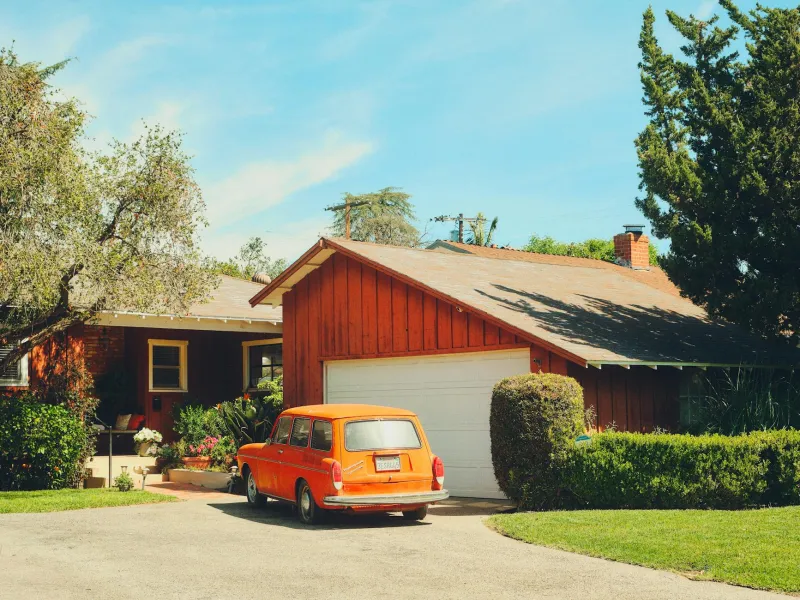
Nothing announced economic success quite like automotive choices, and every purchase was a public declaration. Trading up from a Ford to a Buick wasn't just about transportation — it was about communicating your place in the social hierarchy to everyone who passed your house.
Families would time their car purchases to maximize neighborhood impact. Saturday morning was prime unveiling time, when everyone was outside washing their own vehicles or working in their yards. The ritual of removing the dealer sticker and taking that first slow cruise around the block ensured maximum visibility for your investment.
Second cars were the ultimate luxury signal. When the Andersons bought a station wagon to go with their sedan, it announced not just prosperity but a lifestyle upgrade — they could afford to have mom's car and dad's car, plus weekend adventures that required cargo space.
Lawn Wars and Property Pride
The American lawn became a battleground for subtle competition that could span decades. A perfectly manicured yard wasn't just about aesthetics — it was proof that you had the time, money, and dedication to maintain your piece of the American dream.
Neighbors would emerge on Saturday mornings like soldiers preparing for battle, armed with fertilizer spreaders and edge trimmers. The sound of one lawn mower starting would trigger a cascade of engine noise as everyone rushed to keep pace. A brown lawn in July was a public admission of either financial struggle or personal failure.
Landscaping choices carried coded messages about values and priorities. The family with the elaborate rose garden was announcing their commitment to beauty and permanence. The neighbors who installed a swimming pool were declaring their arrival at a new level of prosperity — and probably triggering a summer of awkward fence-line conversations about pool parties and property values.
The Kitchen Window Intelligence Network
Housewives stationed at kitchen sinks became the neighborhood's unofficial intelligence officers, tracking comings and goings with the dedication of professional analysts. They knew which husbands left for work earliest (ambitious), which teenagers came home latest (trouble), and which families received the most visitors (popular).
This surveillance network operated on reciprocity and social obligation. Mrs. Henderson watched the Murphy house when they went on vacation, not just out of kindness but because it gave her legitimate reason to know everything about their property improvements and lifestyle choices.
The arrival of delivery trucks sparked immediate intelligence gathering. A furniture delivery meant someone was redecorating. Multiple grocery deliveries suggested either a big party or a big family budget. The dreaded arrival of a repossession truck was neighborhood news that would be discussed in whispers for months.
Holiday Displays and Seasonal Competition
Christmas decorations became an annual opportunity for families to showcase their creativity, resources, and commitment to community participation. The house with the most elaborate light display wasn't just celebrating the holidays — they were announcing their willingness to spend money on pure spectacle.
Halloween costumes for children became proxy competitions between mothers, who spent weeks crafting elaborate outfits that would be judged by the entire neighborhood in a single evening. The family that gave out full-size candy bars instead of miniature ones was making a statement about their generosity and their grocery budget.
Easter meant new spring wardrobes displayed at church services where everyone could evaluate everyone else's fashion choices and financial priorities. These seasonal rituals created regular opportunities for social measurement and adjustment.
The Limits of Local Competition
This neighborhood-scale competition had natural boundaries that created a sense of achievable aspiration. You weren't competing against movie stars or millionaires — you were trying to keep pace with the accountant three houses down or the shop foreman across the street.
Success felt attainable because you could see exactly what it looked like: a newer car, a bigger television, a weekend boat, an addition to the back of the house. The American dream had specific, visible benchmarks that existed within your daily environment.
Families could chart their progress by moving to slightly better neighborhoods, graduating from apartment living to homeownership, or upgrading from a starter home to something with a two-car garage. Each step up the ladder was geographically defined and socially recognized.
When the World Became Your Competition
Social media destroyed the intimate scale of American aspiration by making everyone compete against an algorithmically curated highlight reel of global wealth and lifestyle performance. Instead of measuring yourself against the successful families in your zip code, you're now comparing your reality to influencers' carefully staged fantasies.
The neighbor's new fishing boat has been replaced by Instagram posts featuring yachts in the Mediterranean. The kitchen renovation next door can't compete with HGTV makeovers that cost more than most people's annual salaries. Local success stories are drowned out by viral content showcasing levels of wealth that exist far beyond most Americans' reach.
Where neighborhood competition once motivated achievable improvements — a better lawn, a nicer car, a fresh coat of paint — social media aspiration often leads to debt, anxiety, and the feeling that no amount of success will ever be enough.
The View From the Front Porch
Looking back, the era of fence-line competition seems almost innocent. When status was measured in driveways instead of data, when success was visible from the street instead of performed for strangers online, American ambition had human scale and geographic limits.
The Joneses weren't influencers with millions of followers — they were the family next door who worked hard, saved money, and occasionally splurged on something nice enough to make the neighbors take notice. Keeping up with them felt challenging but possible, competitive but neighborly.
In our hyperconnected world, perhaps we lost something valuable when we traded the intimate theater of local aspiration for the global stage of social media performance. Sometimes the best competition is the kind where you can walk over afterward and ask your rival how they got their lawn looking so green.