Bound Volumes of Everything: When American Families Mortgaged Their Future for Knowledge

The Doorbell That Changed Everything
The encyclopedia salesman was a fixture of American suburban life from 1950 to 1985, as predictable as the Fuller Brush man and twice as persuasive. He'd arrive in the early evening, briefcase in hand, ready to spend three hours convincing parents that their children's intellectual future depended on 32 volumes of carefully curated human knowledge.
These weren't casual purchases. A complete set of Encyclopedia Britannica cost between $400 and $1,200 — the equivalent of $4,000 to $8,000 today. Most families financed them through payment plans that stretched over two or three years, treating these books like major appliances. The monthly payment for knowledge sat right alongside the car payment and the mortgage in the family budget.
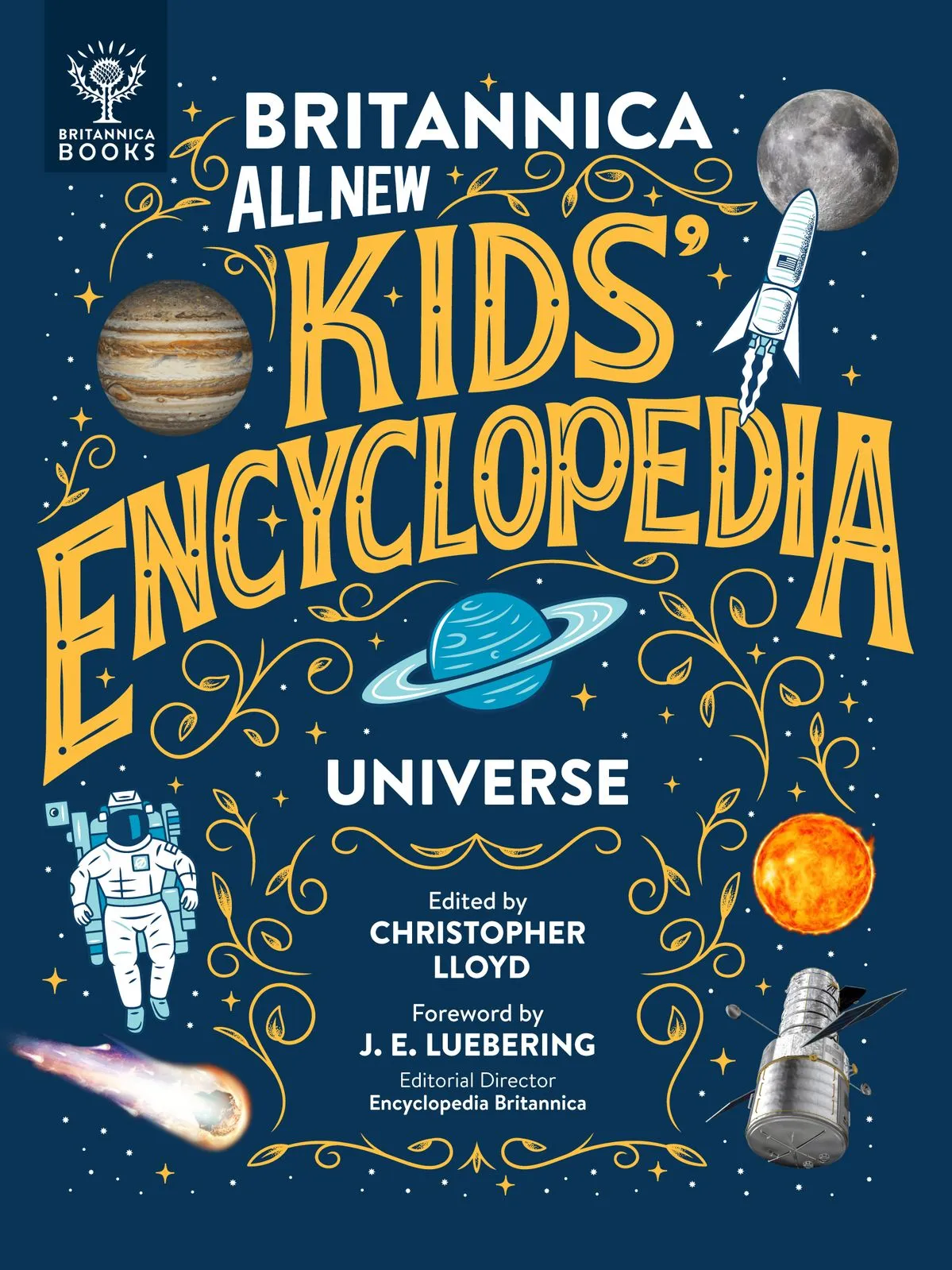 Photo: Encyclopedia Britannica, via cdn.kobo.com
The Theater of Educational Aspiration
Encyclopedia sales operated on a sophisticated psychology of parental anxiety and aspiration. The salesman would arrive with a single volume as a demonstration, usually something impressive like "M" (which contained detailed entries on medicine, music, and mathematics). He'd sit at the kitchen table, crack open the book to a colorful illustration of the human circulatory system or a fold-out map of medieval Europe, and begin his carefully rehearsed presentation.
"What happens," he'd ask, "when your daughter comes home with a report assignment on Ancient Rome? Do you want her to fail because you didn't invest in her education?" The guilt was immediate and powerful. In an era before Google, parents genuinely feared that their children would be academically disadvantaged without access to comprehensive reference materials.
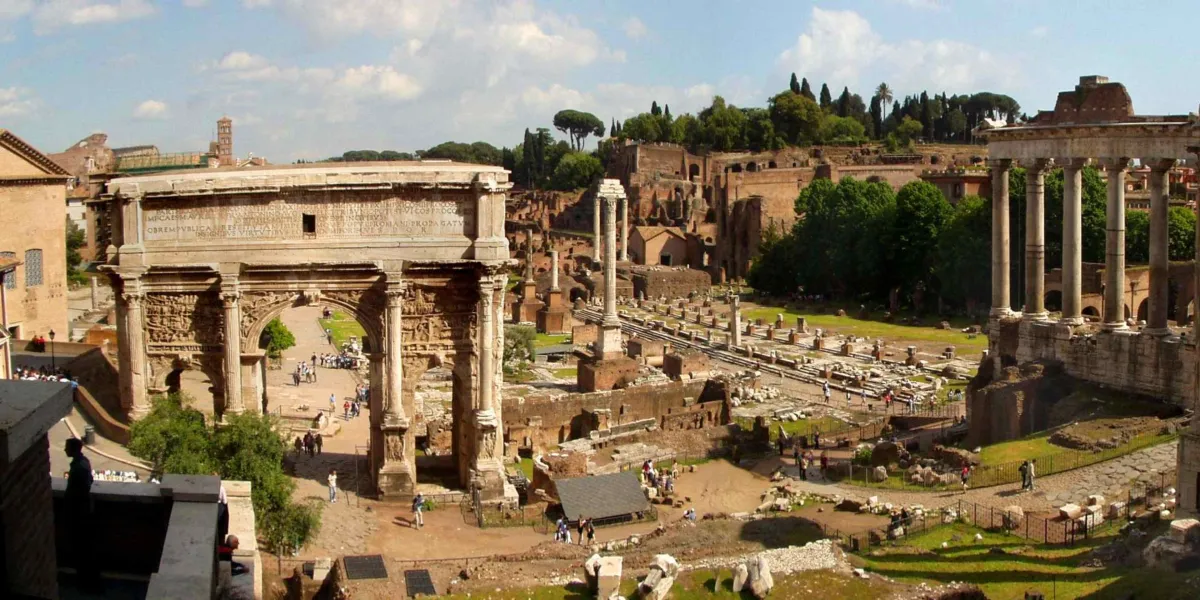 Photo: Ancient Rome, via res.cloudinary.com
The sales pitch emphasized exclusivity and permanence. These weren't just books — they were heirlooms that would serve multiple generations. The salesman would point out the quality binding, the acid-free paper, the yearly update supplements that would keep the information current. He'd calculate the cost per page, per year, per child, making the investment seem almost economical.
The Living Room Library
Once purchased, encyclopedia sets became the centerpiece of American family intellectual life. They occupied places of honor in living rooms and dens, their uniform spines creating an impressive wall of knowledge that announced the family's educational priorities to visitors.
Children approached these volumes with a mixture of reverence and curiosity. The books were too expensive to treat casually, but too important to ignore. Opening Volume 14 (N-O) to look up "Napoleon" felt like accessing a treasure trove of human understanding. The weight of the book, the smell of the paper, the density of information on each page — it all contributed to a sense that knowledge was precious, finite, and worth preserving.
 Photo: Napoleon, via img.freepik.com
Families developed rituals around encyclopedia use. Some parents established "research time" when children were encouraged to explore topics beyond their immediate homework needs. Others used the volumes as conversation starters, opening random pages during dinner to share interesting facts about distant countries or historical events.
The Homework Revolution
Before the internet, completing a school report required genuine research skills, and encyclopedias were the foundation of that process. Students learned to navigate cross-references, synthesize information from multiple entries, and work within the constraints of finite information. A report on whales might begin with the "W" volume but lead to entries on marine biology, oceanography, and conservation scattered across multiple books.
This research process was inherently limiting, and those limitations shaped how students approached learning. You couldn't endlessly click through related topics or fall down rabbit holes of loosely connected information. The encyclopedia gave you what it had on your topic, and you had to work with that. This constraint forced students to think more carefully about their questions and to value the information they found.
Parents took pride in seeing their children use the encyclopedias. It validated the significant financial sacrifice and confirmed that the investment was paying educational dividends. A child sprawled on the living room floor with three volumes open, taking notes for a history project, represented the American dream of upward mobility through education.
The Gradual Obsolescence
The first cracks in the encyclopedia empire appeared in the 1980s with the rise of computer-based reference materials. CD-ROM versions of encyclopedias offered the same information in a more compact, searchable format. But the real death blow came with the internet and, specifically, with Wikipedia.
Suddenly, the carefully curated, professionally edited, expensive knowledge that families had sacrificed to acquire was available instantly and for free. The information was more current, more comprehensive, and infinitely more accessible. The encyclopedia industry collapsed almost overnight, leaving millions of American families with expensive book sets that had become nearly worthless.
What We Lost in the Translation
The shift from physical encyclopedias to digital information wasn't just about convenience — it fundamentally changed how Americans relate to knowledge itself. Encyclopedia ownership required commitment. The financial investment meant families had to believe in the long-term value of learning. The physical presence of the books served as a daily reminder of educational priorities.
More subtly, encyclopedias taught users to work within limitations. When your reference material was finite, you learned to extract maximum value from what you had. You developed skills in synthesis, analysis, and creative problem-solving that infinite information doesn't necessarily require.
The encyclopedia era also created a shared baseline of knowledge. Because most middle-class families owned similar reference sets, American students were working from roughly the same information sources. This created cultural common ground that today's fragmented information environment struggles to replicate.
The End of Educational Faith
Perhaps most significantly, the encyclopedia represented a particular kind of faith in education that seems almost quaint today. Parents who spent thousands of dollars on reference books believed that knowledge itself was valuable, that exposure to information would naturally lead to wisdom, and that educational tools were worth significant financial sacrifice.
Today's parents invest in technology, tutoring, and experiences rather than books. The assumption that access to information equals educational advantage has been replaced by a more complex understanding of how learning actually works. We know now that having information isn't the same as understanding it, and that the skills needed for success aren't necessarily the ones that encyclopedias could provide.
The dusty encyclopedia sets that still occupy shelves in American homes aren't just obsolete reference materials — they're monuments to a particular moment when families believed that knowledge could be purchased, preserved, and passed down through bound volumes of everything humanity had figured out so far.