The Final Ring: When America's Phone Lines Had Limits and Nobody Got Through
The Sound That Stopped Conversations Cold
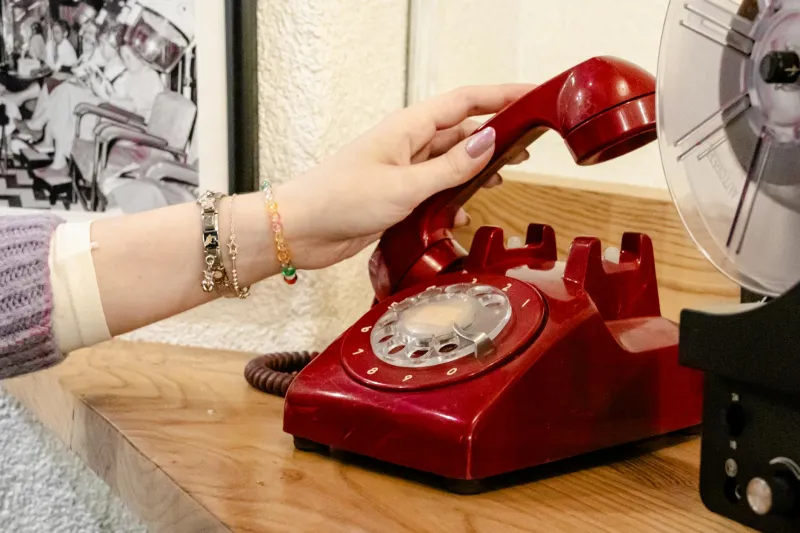
There was a particular rhythm to American life before 1983, dictated by a sound that today's smartphone users have never heard: the busy signal. That rapid beep-beep-beep wasn't just an inconvenience — it was a brick wall that could derail your evening, postpone important news, or leave you wondering if your teenager made it home safely.
When Ma Bell controlled the phone lines, each household had exactly one number connected to exactly one device. If someone was talking, that line was occupied, period. No exceptions, no workarounds, no digital magic to squeeze in "just a quick call." You got a busy signal, you hung up, and you tried again later — sometimes much later.
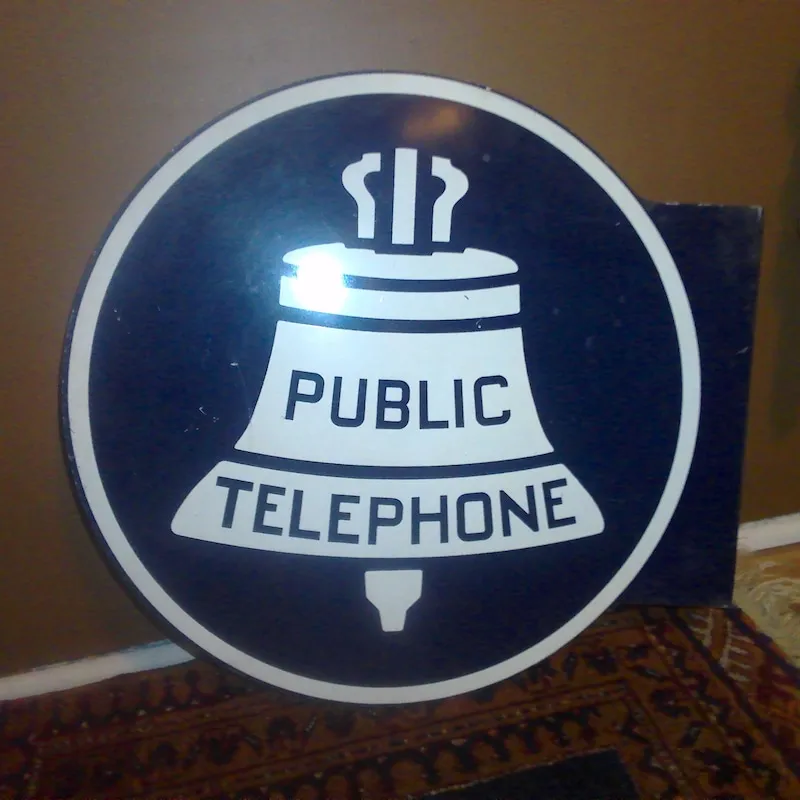 Photo: Ma Bell, via i.etsystatic.com
The Strategy of Persistence
Americans developed elaborate calling strategies around this limitation. Popular teenagers knew their phone would be tied up for hours each evening, so parents established "calling windows" — specific times when the line had to be free for family business. Some households posted schedules near the kitchen phone, mapping out who could call when.
Business relationships operated under completely different expectations. If you needed to reach your insurance agent, doctor, or the local hardware store, you might spend your lunch break dialing and redialing, hoping to catch them between other calls. The phrase "I'll try you back" carried real weight because it might mean waiting until tomorrow.
Trying to coordinate anything — from carpools to dinner plans — required military-level precision. You couldn't just fire off a quick text asking "Still on for 7?" If you needed confirmation, you had to plan your call, hope the line was free, and have a backup plan if it wasn't.
When Emergencies Hit a Busy Signal
The busy signal created genuine anxiety around emergencies. What if you needed to call 911 but your neighbor's teenager was tying up the only phone line on the block? What if your elderly parent fell and couldn't reach anyone because their children were all on important work calls?
Families developed protocols. Some kept a mental list of multiple relatives to try in sequence. Others established "emergency codes" — if you really needed to reach someone, you'd call, let it ring twice, hang up, and call again immediately. The recipient would know to cut their current conversation short.
Doctors' offices, emergency services, and businesses invested in multiple phone lines specifically because a busy signal could mean the difference between life and death, or profit and loss. Having two phone numbers was a luxury that signaled serious professional commitment.
The Art of Timing and Patience
Without caller ID, call waiting, or voicemail, Americans became experts at reading phone patterns. You learned that your chatty aunt usually tied up the line between 7 and 9 PM. You knew your boss left the office at exactly 5:15, so calling at 5:20 meant reaching his answering service instead.
Teenagers developed particularly sophisticated phone etiquette. They'd call their friends' houses and politely ask parents, "Is Jennifer available?" knowing full well that if the answer was no, they might not get another chance to connect until the next day. Phone conversations had weight because they were finite resources.
Long-distance calls added another layer of complexity. Since they cost real money — sometimes several dollars for a brief conversation — getting a busy signal when calling relatives in another state was genuinely frustrating. You'd already committed to the expense; now you had to decide whether to try again immediately or wait and hope for a better connection later.
The Death of the Busy Signal
Call waiting, introduced in the early 1980s, began the slow death of the busy signal. Suddenly, you could interrupt an ongoing conversation with a polite click, and the person on the line could choose to take your call or let you wait. It was revolutionary — and completely changed how Americans thought about phone access.
Voicemail finished the job. By the 1990s, most calls that would have resulted in a busy signal instead went to an answering machine. You could leave your message and trust that it would be received, even if the recipient was unavailable.
What We Lost in Translation
Today's world of instant messaging, read receipts, and constant connectivity has eliminated the busy signal entirely, but something was lost in translation. The busy signal taught patience, planning, and the art of making conversations count. When you finally connected with someone after multiple attempts, that conversation had earned weight.
Modern communication anxiety focuses on response time — why hasn't someone texted back in ten minutes? — but the busy signal created a different kind of tension. You weren't wondering if someone was ignoring you; you knew they were genuinely unavailable, and you had to respect that boundary.
The busy signal was America's last universal lesson in scarcity. It reminded us daily that access to other people wasn't unlimited, that communication required effort and timing, and that sometimes, you simply had to wait your turn.