The Chair in the Corner That Knew Everything: What the American Barbershop Actually Was
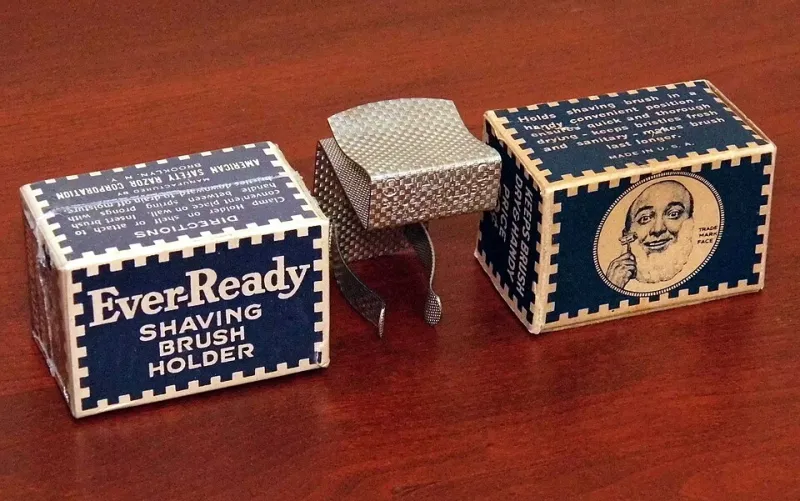
Photo: Joe Haupt from USA, CC BY-SA 2.0, via Wikimedia Commons
There was a particular kind of Saturday morning that existed in American towns from roughly the 1920s through the 1980s. You'd push open a glass door, hear a bell jangle overhead, and walk into a room that smelled of talcum powder, bay rum, and cigarette smoke in proportions that somehow added up to something pleasant. Four or five men would be sitting in chrome-and-vinyl chairs along the wall, not looking at phones — because there were no phones to look at — just talking.
You'd nod. Someone would nod back. You'd take a seat and wait your turn. And while you waited, you'd find out what was actually happening in your town.
The barbershop was, for most of a century, one of the primary information exchanges in American community life. What it looked like on the surface — a place to get a trim — had almost nothing to do with what it actually was.
No Appointment, No Problem
The walk-in nature of the old barbershop was not an inconvenience. It was the architecture of the whole thing.
You showed up, you waited, and while you waited, you talked to whoever else was waiting. The room was a random cross-section of the neighborhood — the hardware store owner, the high school football coach, the guy who'd just retired from the railroad, the teenager who'd been dragged in by his father. None of them would have chosen to spend forty-five minutes together under any other circumstances. The barbershop made it happen anyway.
What came out of those accidental conversations was something genuinely hard to replicate: unfiltered local intelligence. Who was hiring. Which family was going through a rough patch. What the city council was actually planning to do about the parking situation on Main Street. The barbershop had no editorial filter, no algorithm deciding what was relevant to your interests. It just put people in a room and let them talk.
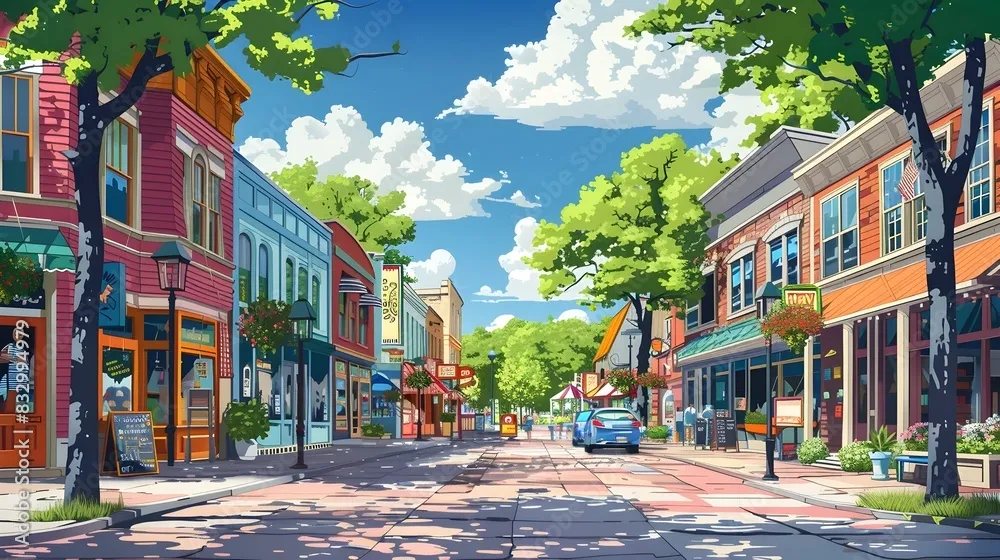 Photo: Main Street, via as2.ftcdn.net
Barbers themselves occupied a peculiar social position. They were trusted confidants in the way that bartenders and priests were trusted — partly because of professional discretion, partly because they stood behind you while they worked, which created an oddly confessional dynamic. Men said things in the barber's chair that they wouldn't say across a dinner table. The physical arrangement helped. You weren't making eye contact. The conversation felt slightly sideways, slightly safer.
The Ritual of the Cut Itself
The experience of getting a haircut at a traditional barbershop was also simply different from what most Americans encounter today.
A good barber knew your head. Not metaphorically — literally. They knew where your cowlick sat, how your hair grew in at the temples, whether you needed a taper or a hard part, and what the last barber had done that you'd complained about for three weeks afterward. That institutional knowledge built up over years of regular visits and wasn't transferable to a chain salon where you might see a different stylist every time.
The hot lather shave was its own ceremony. A straight razor, a badger brush, warm towels — the whole production turned a grooming necessity into something that felt almost like self-care, decades before that phrase existed in the mainstream. Men who got a regular shave at the barbershop will tell you, without exception, that nothing since has quite matched it.
The Slow Disappearance
The decline of the traditional American barbershop happened for reasons that look simple in retrospect but felt invisible as they accumulated.
Unisex salons arrived in the 1970s and began pulling customers — particularly younger men — away from the traditional shop. They offered longer hours, more services, and an atmosphere that felt less like your grandfather's Saturday routine. Franchise chains followed, standardizing the experience and making it available in strip malls and shopping centers across the country. The economics squeezed independent operators, and as older barbers retired, fewer young people entered the trade through the traditional apprenticeship path.
The internet and booking apps completed the transformation. Today's haircut experience is optimized for efficiency. You book online, arrive within your window, receive a competent cut from someone you may never see again, pay through an app, and leave. The whole transaction can happen without a single unrequested conversation. For plenty of people, that's exactly what they want.
What Replaced It — and What Didn't
To be fair, the modern landscape has its own versions of the barbershop's social function. The craft barbershop revival of the 2010s brought back some of the aesthetic and some of the ritual — the straight razor shaves, the pomades, the vintage chairs — and created spaces where regulars do build genuine relationships with their barbers. These places exist and they matter.
But they serve a niche. They're often positioned as premium experiences, priced accordingly, and marketed to a specific demographic rather than functioning as open-door community institutions. The accidental democracy of the old walk-in shop — where the factory worker and the bank manager waited in the same row of chairs — doesn't quite survive in a world of curated appointments and Instagram-worthy interiors.
The conversation has also migrated. The arguments about last night's game, the local political gossip, the advice about a troublesome neighbor — all of that still happens, just in comment sections and group chats, where the dynamics are entirely different. Online conversation tends toward performance. Barbershop conversation was private, disposable, and honest in a way that public platforms don't reward.
What That Striped Pole Was Really Advertising
The red, white, and blue barber pole is one of the oldest commercial symbols in American life, with roots going back centuries. It's still out there on some corners, still spinning slowly, still marking a particular kind of place.
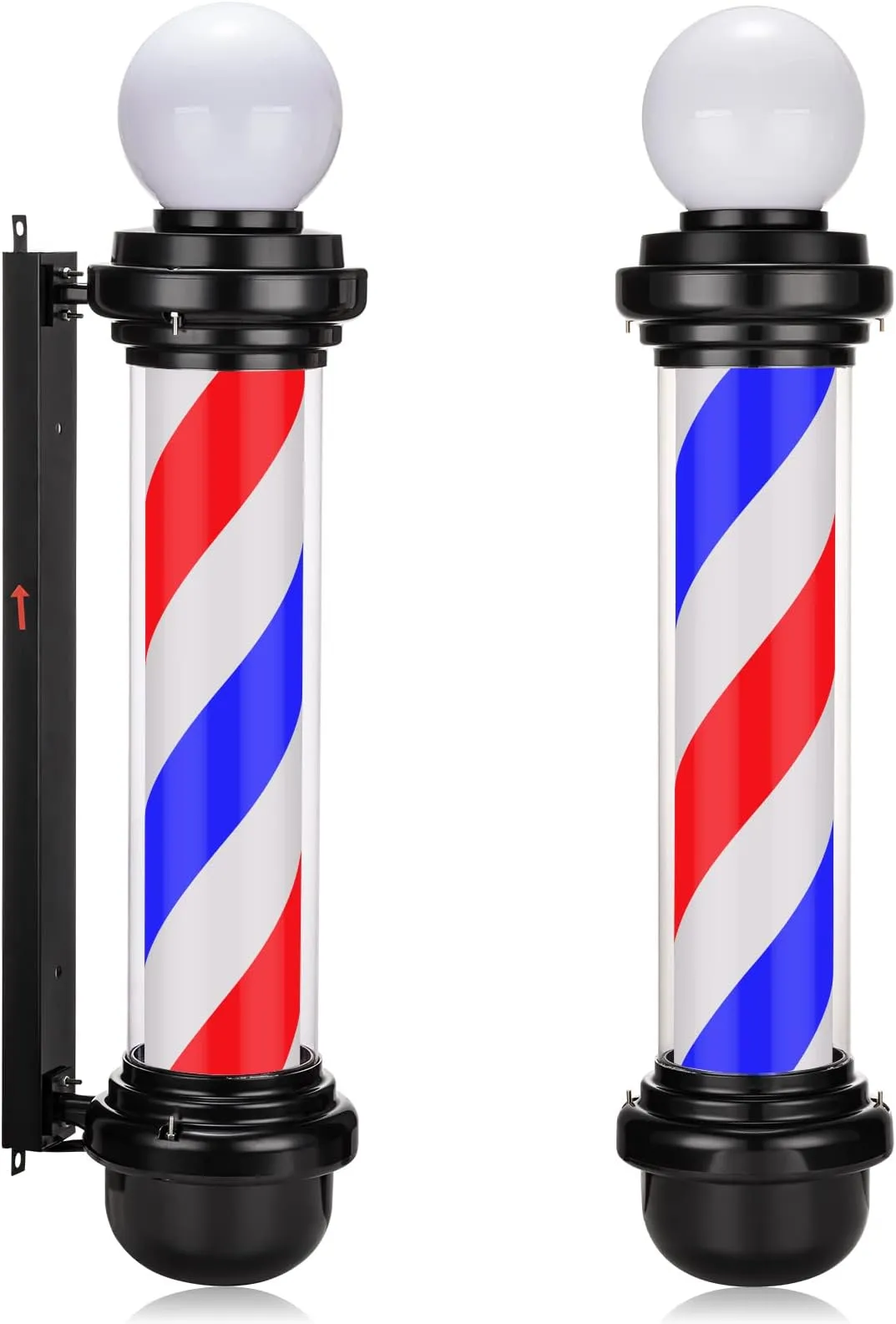 Photo: barber pole, via m.media-amazon.com
What it was advertising, at its best, was something Americans don't have a great replacement for: a reason to sit in a room with people you didn't choose, wait without distraction, and find out what was actually going on around you.
The haircut was almost beside the point.