Bologna Sandwiches and Roadside Diners: When American Families Actually Cooked Their Way Across the Country
The Art of the Road Trip Cooler
Packing for a family road trip in 1965 looked nothing like throwing snacks in a bag today. It was an elaborate production that started days before departure, as mothers planned meals around ice availability, calculated driving times between grocery stops, and packed coolers with the precision of military quartermasters.
The cooler itself was a massive, metal-lined fortress designed to keep food cold for days, not hours. Families invested in quality models that could handle the punishment of being loaded and unloaded multiple times, surviving everything from desert heat to mountain cold. These weren't the disposable foam containers of today—they were heirloom appliances passed down through generations.
Inside, every inch was strategically organized. Frozen milk jugs served as ice blocks, wrapped in newspaper to slow melting. Sandwiches were individually wrapped in wax paper, labeled with names to prevent sibling disputes. Hard-boiled eggs, fruit, and vegetables filled every corner, while beverages were packed separately in smaller coolers to avoid constant opening of the main food supply.
When Every Exit Wasn't the Same
Before the Interstate Highway System standardized American travel, each state offered genuinely different food experiences. You couldn't count on finding the same menu every fifty miles—instead, you discovered regional specialties that existed nowhere else. Kansas served different barbecue than Carolina, and both were worlds apart from Texas.
 Photo: Interstate Highway System, via theverse.robertsspaceindustries.com
Local diners weren't just restaurants; they were cultural ambassadors. The waitresses knew regulars by name, the coffee was always fresh, and the pie recipes were closely guarded family secrets. These establishments survived on repeat customers and word-of-mouth recommendations, not corporate marketing budgets and franchise agreements.
Truck stops were genuine community centers where locals and travelers mixed freely. The food was hearty, cheap, and reflected the agricultural products of the surrounding region. You could taste the difference between Iowa corn and Nebraska beef, between Wisconsin cheese and Vermont maple syrup. Geography had flavor.
Contrast that with today's highway landscape, where the same dozen chains dominate every exit from Maine to California. McDonald's, Subway, and Taco Bell have created a culinary uniformity that makes it possible to drive across the entire country without tasting anything that couldn't be found in your hometown. The golden arches have replaced the hand-painted diner signs, and efficiency has trumped character.
The Lost Ritual of Roadside Discovery
Mid-century road trips included an element of culinary adventure that modern travelers rarely experience. Families would deliberately seek out local recommendations, following hand-drawn maps to legendary barbecue joints or famous pie shops. These detours weren't inconveniences—they were highlights.
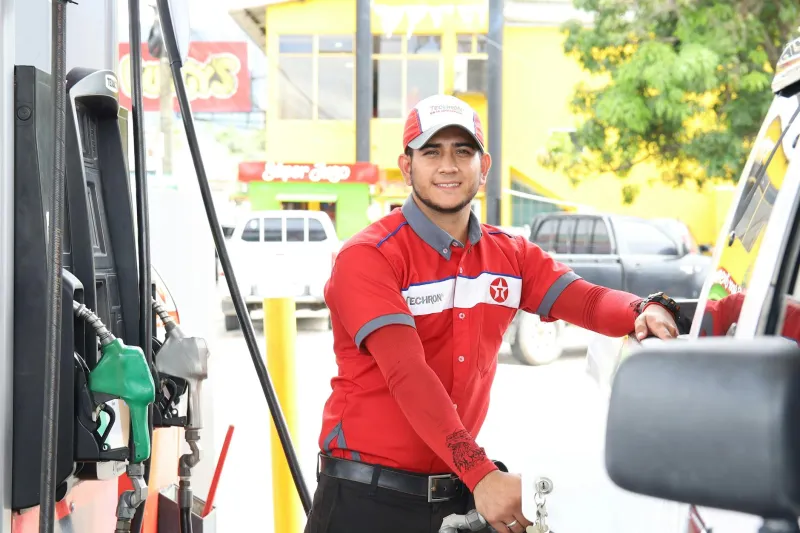
Gas station attendants (remember those?) served as unofficial food critics, pointing travelers toward the best local spots. Church bulletin boards advertised community fish fries and pancake breakfasts. Roadside fruit stands offered whatever was in season locally, from Georgia peaches to Washington apples to Florida oranges.
The uncertainty was part of the appeal. You might discover the best fried chicken of your life in a tiny Kansas town, or stumble upon a family-run Mexican restaurant in the middle of nowhere that served food better than anything in the big cities. These discoveries became family legends, stories retold for decades.
Today's travelers can research every meal stop in advance, reading Yelp reviews and checking Instagram photos before making decisions. Apps like GasBuddy and Waze route us to the cheapest fuel and fastest routes, optimizing for efficiency over experience. We've gained predictability and speed, but lost the serendipity that made road trips memorable.
The Economics of Eating on the Road
Feeding a family of four during a week-long road trip in 1970 required careful budgeting and creative planning. Restaurant meals were special occasions, not daily expectations. Most families ate one restaurant meal per day at most, supplementing with cooler food and grocery store stops.
This constraint forced creativity and family bonding. Kids learned to make sandwiches, parents taught geography through regional foods, and everyone participated in meal planning. Stopping at roadside picnic tables wasn't just about saving money—it was about slowing down and actually experiencing the places you were passing through.
The rise of fast food changed these economics dramatically. By the 1980s, it became cheaper and easier to eat at McDonald's than to plan, pack, and maintain elaborate coolers. The convenience was undeniable, but something essential was lost in the translation.
When Food Told Regional Stories
Pre-interstate road food reflected genuine cultural differences that had developed over generations. New England clam chowder tasted different in Maine than it did in Massachusetts. Southern barbecue varied dramatically from state to state, even county to county. These weren't marketing gimmicks—they were authentic expressions of local history, agriculture, and tradition.
 Photo: New England, via cdn.elitebabes.com
Small-town cafes served food that reflected their communities' ethnic heritage. German settlements in the Midwest offered different specialties than Scandinavian communities in Minnesota or Mexican influences in the Southwest. You could trace immigration patterns and cultural exchanges through diner menus and local specialties.
Today's chain restaurants have largely erased these distinctions. A Big Mac tastes the same in Birmingham as it does in Boston, which is exactly the point. Corporate food science has optimized for consistency and profitability, not cultural authenticity or regional character.
The Cooler's Last Stand
Modern road trips still involve coolers, but they serve different purposes. Instead of being primary food sources, they're supplements to the constant availability of restaurants. Families pack drinks and snacks, not complete meals. The elaborate planning and preparation that once defined road trip food culture has been replaced by the simple assumption that food will be available whenever and wherever needed.
This shift reflects broader changes in American life. We've traded self-sufficiency for convenience, preparation for spontaneity, and regional diversity for reliable uniformity. Today's road trips are faster, more comfortable, and more predictable than their predecessors.
But they're also less adventurous, less connected to place, and less likely to create the kind of unexpected discoveries that families remember for generations. The bologna sandwiches and roadside diners may be gone, but they took something irreplaceable with them: the sense that every mile of America had its own story to tell, one meal at a time.