When No Answer Actually Meant No Answer: America's Lost Era of the Unreachable Phone Call
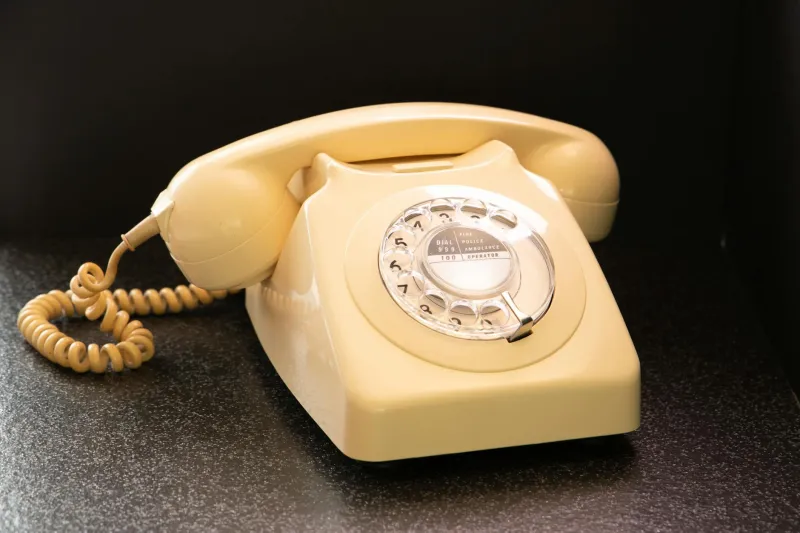
The Sound That Meant Nothing Would Happen
Beep. Beep. Beep. That monotonous electronic pulse was the soundtrack of American frustration for decades. The busy signal wasn't just an inconvenience—it was a conversation killer, a relationship interrupter, and sometimes, a business deal destroyer. When you heard those rhythmic beeps in 1975, you knew one thing for certain: whatever you wanted to say would have to wait.
Today's generation has never experienced the peculiar anxiety of calling someone important and getting absolutely nothing. No voicemail box. No "please try again later" message. Just silence, or worse, that infuriating busy tone that told you someone else had gotten there first.
When Timing Was Everything
In pre-digital America, making a phone call was like trying to catch lightning in a bottle. You had to guess when someone might be home, hope they weren't already talking to someone else, and cross your fingers that they'd actually pick up. Miss that window, and your urgent message about dinner plans, work emergencies, or family news simply disappeared into the ether.
Businesses built entire strategies around this uncertainty. Sales teams knew that the person who called back first after a busy signal often got the deal. Restaurants took reservations knowing that half their potential customers would give up after hearing a busy tone. Dating involved elaborate coordination—"I'll call you at 8 PM sharp, so make sure you're by the phone."
The phrase "I'll try you later" carried real weight because "later" might mean hours or even days before you successfully connected.
The Social Choreography of Uncertainty
Families developed intricate phone protocols that seem almost medieval by today's standards. Parents would designate specific hours when the line needed to stay clear for important calls. Teenagers negotiated phone time like diplomats hammering out peace treaties. Everyone learned to keep conversations brief because someone else might be trying to get through.
The concept of "phone tag" wasn't just an expression—it was a genuine social phenomenon that could stretch for weeks. Two people trying to connect might leave a trail of attempted calls, with neither knowing the other had tried to reach them. Relationships hinged on timing and luck in ways that seem almost absurd now.
Business in the Age of the Busy Signal
Imagine running a company where potential customers regularly gave up trying to reach you, not because they lost interest, but because your phone was busy. This wasn't hypothetical—it was daily reality for American businesses throughout the mid-20th century.
Companies hired multiple receptionists not for customer service, but simply to ensure someone could answer the phone. The concept of "please hold" was revolutionary because it meant your call wouldn't just vanish if the line was occupied. Before that innovation, every incoming call was a race against the busy signal.
Small businesses lived or died by their ability to answer the phone on the first ring. A busy signal could mean losing a customer forever, with no way to know they'd even tried to reach you.
The Lost Art of Assumption
Without delivery receipts, read notifications, or callback logs, Americans became masters of assumption. If someone didn't call back, you assumed they were busy, out of town, or simply hadn't gotten your message. There was no way to know if your call had reached them, if they'd chosen not to answer, or if they'd been on another line entirely.
This uncertainty created a strange kind of social grace. People gave each other the benefit of the doubt because failed communication was genuinely beyond anyone's control. The phrase "I never got your message" was usually true—because there often wasn't a message to get.
When Silence Was Golden (And Frustrating)
The flip side of this system was a kind of blessed disconnection that's almost impossible to imagine today. When you weren't home, you were truly unreachable. No buzzing pocket, no urgent notifications, no guilt about missed calls. The world simply had to wait until you returned.
Families planned their lives around being available for important calls. People rushed home to check if anyone had tried to reach them, knowing they'd never know unless someone tried again. The anxiety of potentially missing something important was balanced by the peace of knowing that when you were out, you were genuinely out.
The Revolution We Don't Notice
Today, a failed connection feels like a system malfunction. When a text doesn't deliver immediately, when a call drops, or when someone doesn't respond within hours, we assume something's wrong. We've become accustomed to perfect, instantaneous, traceable communication.
But for most of American history, communication was uncertain, timing-dependent, and often unsuccessful. The busy signal wasn't a bug—it was just how phones worked. People built their entire social and professional lives around the assumption that reaching someone might simply be impossible.
The End of Maybe
The death of the busy signal represents more than technological progress—it marks the end of "maybe" in American communication. Maybe they're home. Maybe they'll answer. Maybe the call will go through. We've traded that uncertainty for the guarantee of connection, and in doing so, we've lost both the frustration and the freedom of a world where being unreachable was simply part of life.
Next time your call goes straight to voicemail, remember: there was once a time when that would have been a luxury, not an inconvenience.