The Weight of Every Click
In 1985, loading a roll of film into your camera meant you had exactly 24 chances to capture life's moments. Each click of the shutter carried weight — literally and financially. At roughly 50 cents per photo once you factored in film and developing costs, that family vacation to Disney World required serious strategic thinking about which moments deserved to be preserved forever.
 Photo: Disney World, via wallup.net
American families approached photography like military commanders planning a campaign. You'd save film for birthdays, holidays, and special occasions. That blurry shot of your kid eating cereal? Not worth the investment. The perfectly posed Christmas morning scene with everyone in matching pajamas? Absolutely worth burning through three precious exposures to get it right.
The Ritual of the Photo Shop
Every strip mall in America had at least one photo development shop, usually tucked between a dry cleaner and a Chinese restaurant. The ritual was always the same: drop off your film, receive a numbered ticket, and wait. One hour if you paid premium prices, three days if you were patient and frugal.
The anticipation was excruciating and delicious. You'd genuinely forgotten half the pictures you'd taken by the time you picked them up. Opening that envelope felt like Christmas morning — a surprise gift from your past self. Sometimes you'd discover a masterpiece you didn't remember taking. Other times, you'd find an entire roll of someone's thumb covering the lens.
Photo shop employees became accidental therapists and historians. They'd see your family grow up through the pictures, witness divorces through the changing faces in holiday photos, and tactfully ignore the occasional roll that revealed more than intended about someone's personal life.
The Sacred Photo Album Assembly
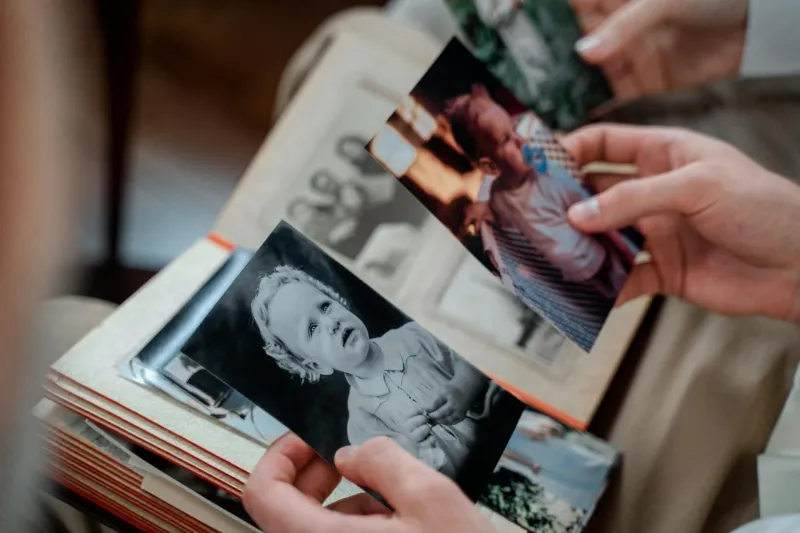
Once you had your photos in hand, the real work began. Creating a family photo album was an art form that required patience, creativity, and an almost religious dedication to preserving memories. Mothers would spend entire Sunday afternoons at the kitchen table, armed with photo albums, glue sticks, and those little corner tabs that held pictures in place.
Every photo had to earn its spot. You'd arrange and rearrange, creating visual stories that captured not just what happened, but how you wanted to remember what happened. The blurry pictures got tossed. The unflattering ones went in the back. The perfect shots — those got the premium real estate on the first page of each section.
Photo albums became family heirlooms passed down through generations. Grandparents would pull them out during visits, turning pages slowly while sharing stories that gave context to frozen moments. Kids would spend rainy afternoons flipping through albums, discovering their parents as young people and piecing together family history through carefully curated visual narratives.
The Digital Avalanche Changes Everything
Today, the average American takes over 2,000 photos per year on their smartphone alone. That's more pictures in one year than most families took in an entire decade during the film era. We've traded scarcity for abundance, and the results are complicated.
Our phones contain thousands of images that never see daylight. Screenshots of funny memes live alongside precious family moments. Blurry shots of restaurant meals get the same digital storage space as once-in-a-lifetime graduations and weddings. We take seventeen versions of the same sunset and then forget they exist.
The cloud has replaced the photo album, but it's a messy, disorganized replacement. Finding that perfect picture from last year's vacation requires scrolling through hundreds of forgotten images. There's no curation, no storytelling, no intentional preservation of memories.
What We Lost in Translation
The shift from film to digital photography represents more than just technological progress — it's a fundamental change in how Americans relate to their own memories. When every picture cost money and required effort to preserve, we treated photography as a sacred act. We were intentional about what we captured and how we displayed it.
Modern families rarely sit together and look through photos anymore. Instead, we scroll past memories on our phones while doing other things. The shared experience of album browsing — where multiple generations would gather around a coffee table to relive family history — has largely disappeared.
We've gained convenience and lost ceremony. We can capture every moment but struggle to make any moment feel special. The abundance that was supposed to help us preserve more memories has instead made each individual memory feel less precious.
The Paradox of Perfect Preservation
Ironically, our digital photos may be less permanent than those old albums sitting in closets across America. Hard drives crash, phones get lost, and cloud services disappear. Meanwhile, those physical photo albums from the 1970s and 80s are still perfectly viewable decades later.
The families who invested time in creating photo albums left behind tangible legacies. Their children and grandchildren can hold the same pictures their ancestors held, see the fingerprints on the plastic sleeves, and read the handwritten captions that provide context digital files can't match.
There's something to be said for the old way of doing things, when memories required effort to preserve and photos felt precious enough to arrange by hand in albums that told the story of American family life, one carefully chosen moment at a time.