When Your Weekend Plans Lived or Died by the Evening News
The Daily Weather Ritual
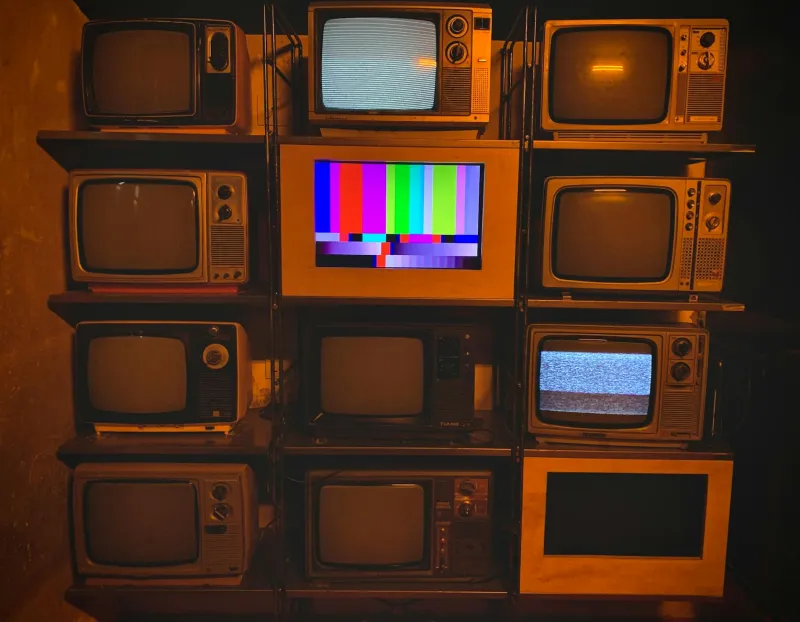
Every evening at 6:15 PM, families across America would gather around their television sets for a moment of collective anxiety. The local weatherman—and it was almost always a man—would stride confidently in front of a hand-drawn map, magnetic clouds in one hand, pointer in the other, ready to deliver his best guess about what tomorrow might bring.
This wasn't just television programming. This was survival information.
For most Americans living through the 1970s and 1980s, that five-minute weather segment represented their only reliable source of meteorological intelligence. Miss it, and you were flying blind until the next evening's broadcast. No smartphone alerts, no hourly updates, no radar loops you could check obsessively. Just one man, one map, and one chance to plan your life accordingly.
The Science of Educated Guessing
Weather forecasting in the pre-digital era relied on a patchwork of weather stations, balloon readings, and satellite imagery that was often hours old by the time it reached local stations. Meteorologists worked with incomplete data, limited computing power, and forecasting models that could barely predict conditions 24 hours ahead with any real confidence.
The result? Weather predictions that were notoriously unreliable beyond the next day or two. A "30% chance of rain" was meteorological speak for "we honestly have no idea, but there are some clouds around." Weekend forecasts delivered on Friday evening were essentially wishful thinking dressed up in scientific language.
Yet Americans planned their entire lives around these educated guesses. Beach trips were booked, weddings were scheduled, and camping gear was packed based on a weatherman's best interpretation of atmospheric pressure readings and wind patterns.
Planning Your Life Around Uncertainty
The ripple effects of unreliable weather forecasting touched every aspect of daily life. Mothers packed both sunscreen and rain jackets for every family outing, just in case. Baseball games were called off mid-inning when unexpected storms rolled in. Outdoor weddings became elaborate gambles, with backup indoor venues booked months in advance.
Farmers faced even higher stakes. Crop planting, harvesting schedules, and livestock management decisions all hinged on weather predictions that were wrong as often as they were right. A missed forecast could mean the difference between a successful harvest and a financial disaster.
The clothing industry adapted to this uncertainty too. Department stores stocked seasonal merchandise based on long-term climate patterns rather than specific weather predictions, leading to the bizarre sight of winter coats arriving in August and swimsuits hitting the racks in February.
The Weatherman as Local Celebrity
In this environment of meteorological uncertainty, local TV weathermen became unlikely celebrities. Viewers developed personal relationships with these forecasters, trusting certain personalities over others based on their track records and presentation style. Some weathermen cultivated folksy personas, using homespun wisdom and local knowledge to supplement their scientific training.
The pressure on these forecasters was immense. A blown forecast could generate hundreds of angry phone calls and letters. Predict sunshine and deliver rain, and you'd hear about it for weeks. The most successful weathermen learned to hedge their bets, using phrases like "partly cloudy with a chance of" everything.
When Getting Caught in the Rain Was Normal
Perhaps most tellingly, Americans of previous generations simply accepted weather-related inconvenience as part of life. Getting soaked in an unexpected downpour wasn't seen as a failure of planning—it was just Tuesday. People carried umbrellas as standard equipment, kept spare clothes at work, and built flexibility into their schedules to account for weather-related delays.
This acceptance of uncertainty extended beyond just weather. Americans were generally more comfortable with last-minute plan changes, outdoor event cancellations, and the general unpredictability that comes with relying on incomplete information.
The Smartphone Revolution
Today's weather apps provide hyper-local forecasts updated every few minutes, complete with radar imagery, hourly breakdowns, and 10-day outlooks that would have seemed like magic to previous generations. We can track individual storm cells moving across our neighborhoods and receive push notifications when rain is expected to start in exactly 12 minutes.
This transformation has fundamentally changed how we plan and live. Modern Americans schedule outdoor activities with precision, confident that their weather app will provide accurate, up-to-the-minute information. We've eliminated most weather-related uncertainty from our daily lives, and with it, much of our tolerance for the unexpected.
The Price of Perfect Predictions
While modern weather forecasting represents an incredible technological achievement, something has been lost in the transition. The shared experience of watching the evening weather report, the community bonding over collectively wrong predictions, and the general acceptance that some things simply can't be controlled have largely disappeared.
Today's hyper-accurate forecasts have made us less flexible and more frustrated when nature doesn't cooperate with our perfectly planned schedules. We've traded uncertainty for control, but in doing so, we've also traded some of our ability to adapt and roll with whatever weather life throws our way.