Trust, Cash, and a Prayer: When Buying Your Next Car Meant Meeting a Stranger in Their Driveway
The Sunday Morning Ritual
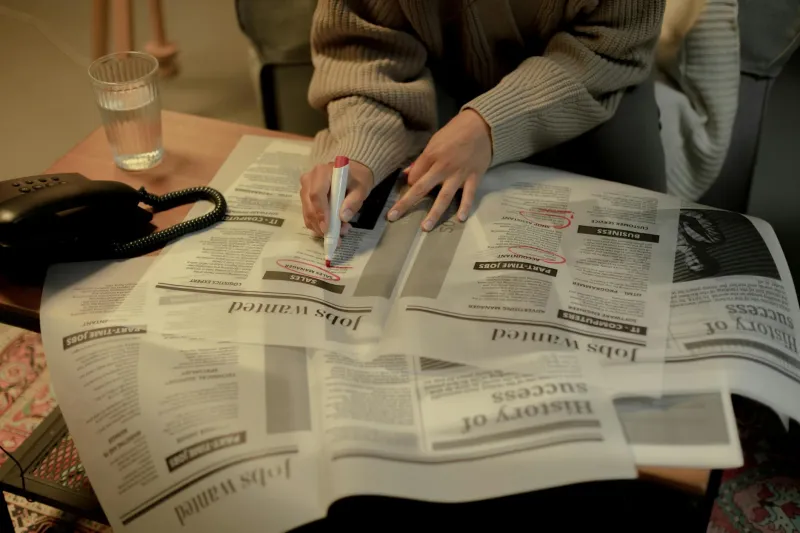
Every Sunday morning in 1985, millions of Americans performed the same ritual. They'd brew their coffee, spread out the thick Sunday newspaper, and flip straight to the classified ads section. There, squeezed between "Help Wanted" and "Garage Sales," were rows of tiny text promising automotive salvation: "'79 Chevy Nova, runs good, $2,800 OBO."
That three-line ad represented someone's leap of faith. No photos, no detailed specifications, no consumer reviews. Just a phone number and the hope that whoever answered would be honest about what they were selling.
When Your Research Was a Phone Call
Buying a used car meant becoming an amateur detective with exactly zero digital tools. Your research consisted of calling the number in the ad and asking pointed questions: "How many miles?" "Any accidents?" "Why are you selling?" You listened not just to the answers, but to the tone of voice, the hesitation, the background noises that might reveal whether this person was trustworthy.
If the seller sounded legitimate, you'd arrange to meet at their house. Yes, their actual home address. Strangers regularly invited other strangers to their driveways to examine their most valuable possessions, and somehow this felt perfectly normal.
The Driveway Inspection
The actual car-buying experience was intensely personal and completely unmediated. You'd pull up to someone's house, shake hands with a person you'd never met, and begin a careful dance of inspection and negotiation. The seller would pop the hood, point out recent repairs, and share stories about family road trips. You'd kick the tires (literally), check the oil, and make judgments based entirely on what you could see, hear, and smell.
There was no Carfax report revealing the car's accident history. No online reviews warning you about transmission problems with that particular model year. No way to verify the odometer reading or check if the title was clean. You relied on your ability to read people and spot obvious problems.
The Art of the Deal
Negotiation happened face-to-face, cash in hand. Sellers expected buyers to show up with actual money—often thousands of dollars in crisp bills—ready to close the deal immediately. The haggling was personal and direct: "I can do $2,400 cash right now." "My wife will kill me if I take less than $2,600." "Split the difference at $2,500?"
When you reached an agreement, the transaction was startlingly simple. The seller would sign over the title, you'd hand over the cash, and that was it. No financing paperwork, no extended warranties, no "additional products" pitched by a finance manager. Just two people, a handshake, and a prayer that everyone was being honest.
The Digital Revolution Changes Everything
Today's used car market would seem like science fiction to that 1985 buyer. Cars are photographed from every angle and posted online with detailed specifications. Carfax reports reveal maintenance records, accident history, and previous owners. Online reviews warn buyers about common problems with specific models. Price comparison tools ensure nobody pays significantly above market value.
The entire experience has become mediated and sanitized. Many buyers never speak to a human until they're signing paperwork. Some never speak to anyone at all—companies like Carvana and Vroom deliver cars directly to your driveway, complete with a seven-day return policy.
What We Lost in Translation
The efficiency gains are undeniable. Today's buyers have access to more information, better financing, and stronger consumer protections. But something intangible disappeared in the transition from driveway deals to digital transactions.
The old system required Americans to develop skills we rarely use anymore: reading people, making quick character judgments, negotiating face-to-face with strangers. It demanded a level of personal risk and trust that seems almost quaint today. When your biggest purchase after your house depended on your ability to size up a stranger in their driveway, you developed a different relationship with both risk and reward.
The Trust Deficit
Perhaps most telling is how much infrastructure we now require to recreate the trust that once came naturally. Background checks, verified reviews, return policies, and legal protections have replaced the simple human ability to look someone in the eye and decide if they're telling the truth.
The handshake deal isn't just dead in used car sales—it's become nearly extinct across American commerce. We've gained tremendous convenience and consumer protection, but we've also lost something harder to quantify: the distinctly human skill of making important decisions based on instinct, experience, and the ancient art of reading another person's character.
In 1985, buying a used car was an exercise in trust. Today, it's an exercise in data analysis. Both approaches have their merits, but only one required you to look a stranger in the eye and bet your transportation on your ability to judge their honesty.