Every kid in 1970s America knew the drill. You grabbed your brown plastic tray, shuffled through the cafeteria line, and accepted whatever the lunch ladies ladled onto your plate. No questions asked, no alternatives offered, no ingredient lists to review. If Tuesday meant tuna noodle casserole and a carton of whole milk, that's what you ate—or you went hungry.
Today's school cafeterias, with their gluten-free options, locally-sourced vegetables, and detailed nutritional labels, would be unrecognizable to previous generations of American students.
The Era of "Eat What's Served"
School lunch in mid-20th century America operated on a simple principle: feed as many children as possible with whatever ingredients were available and affordable. The lunch ladies—and they were almost always women—worked with government surplus commodities, canned goods, and institutional recipes designed for volume, not variety.
Mystery meat wasn't a joke—it was a genuine cafeteria staple. Ground meat of uncertain origin appeared in sloppy joes, chili, and casseroles that defied easy categorization. Kids developed elaborate theories about what exactly they were eating, but nobody expected official answers. The meat was protein, the vegetables were vegetables (even if they came from cans), and that was considered sufficient.
Milk wasn't optional—it was mandatory. Every lunch tray included a small carton of whole milk, regardless of whether the child could digest lactose or even liked milk. The idea that a student might have dietary restrictions or food allergies simply didn't enter the institutional conversation. Kids who couldn't drink milk learned to trade it away or let it sit untouched on their trays.
Government Surplus and Institutional Cooking
The National School Lunch Program, established in 1946, was designed primarily to address child hunger and support American agriculture by using surplus commodities. Cafeterias received bulk quantities of whatever the government had in excess—powdered eggs, canned meat, processed cheese, and vegetables that had been sitting in warehouses.
Cafeteria workers became experts at transforming these basic ingredients into meals that could feed hundreds of children daily. They developed institutional recipes that prioritized consistency and cost-effectiveness over flavor or nutritional sophistication. A successful school lunch was one that filled stomachs and stayed within budget.
The cooking methods reflected industrial efficiency. Everything was prepared in enormous quantities using commercial equipment. Vegetables were boiled until soft, meat was cooked until well-done, and seasonings were minimal. The goal was producing safe, filling food that could sit under heat lamps without spoiling.
Pizza Friday and Other Cafeteria Traditions
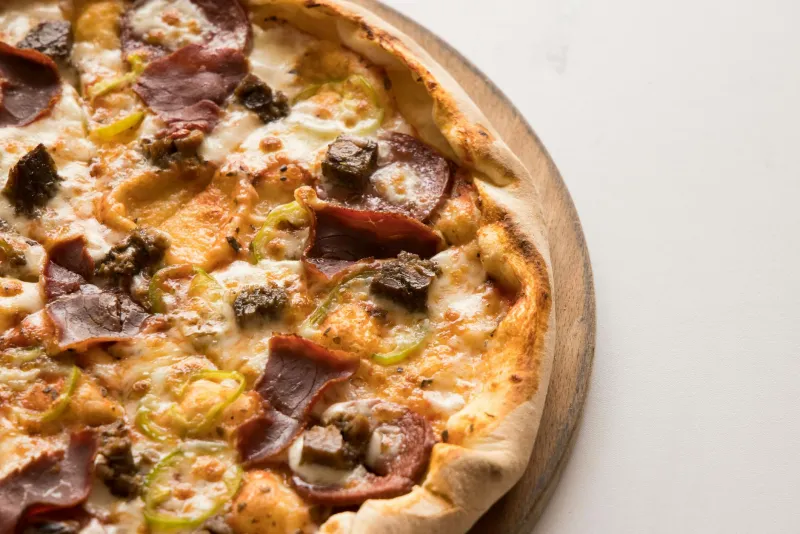
Certain menu items achieved legendary status in American school cafeterias. Pizza Friday became a nationwide institution, though the pizza bore little resemblance to restaurant versions. It featured thick, bread-like crust, sweet tomato sauce, and processed cheese that formed a distinctive skin when heated under cafeteria lamps.
Other cafeteria classics included rectangular hamburger patties that seemed designed specifically for institutional cooking, green beans that had been boiled into submission, and fruit cocktail heavy on syrup and light on actual fruit. These items weren't necessarily delicious, but they were dependable and familiar.
Lunch ladies developed reputations for their signature dishes. Mrs. Johnson's chili might be legendary throughout the district, even if nobody could identify all the ingredients. The human element of cafeteria cooking mattered enormously when the food itself was often unremarkable.
No Accommodations, No Alternatives
The idea that schools should accommodate individual dietary needs was virtually nonexistent. Kids with food allergies learned to avoid problematic items or brought lunch from home. Students who kept kosher or halal simply navigated around non-compliant foods. Vegetarian students picked around the meat or filled up on side dishes.
There were no gluten-free options because celiac disease wasn't widely diagnosed or understood. No dairy alternatives because lactose intolerance wasn't considered a condition requiring accommodation. No nut-free tables because peanut allergies weren't recognized as potentially life-threatening.
Children learned to adapt to whatever was served rather than expecting the menu to adapt to them. This created a cafeteria culture where flexibility and low expectations were survival skills.
The Nutrition Revolution Begins
The transformation of American school lunch began gradually in the 1990s as nutritional science advanced and childhood obesity rates climbed. Researchers started examining the connection between school food and children's health outcomes, leading to uncomfortable questions about what schools were actually feeding students.
Parent advocacy groups began demanding better nutrition standards and more transparency about ingredients. The "farm to school" movement promoted locally-sourced, fresh ingredients over processed commodities. Celebrity chefs like Jamie Oliver launched high-profile campaigns highlighting the poor quality of institutional school food.
Government regulations started requiring more fruits and vegetables, whole grains, and reduced sodium. Schools began posting nutritional information and ingredient lists. The mystery meat era officially ended when parents demanded to know exactly what their children were eating.
Modern Cafeteria Complexity
Today's school cafeterias operate more like specialized restaurants than institutional kitchens. They maintain detailed allergen information, offer multiple entree choices, and accommodate a wide range of dietary restrictions. Many feature salad bars, international cuisine options, and locally-sourced ingredients.
The lunch ladies of previous generations have been replaced by food service professionals trained in nutrition, food safety, and dietary accommodation. Modern school kitchens use sophisticated equipment and follow strict protocols for preventing cross-contamination and ensuring food safety.
Parents can often view menus online, check nutritional information, and even provide feedback about meal quality. Some districts offer online ordering systems that let students choose their meals in advance. The entire experience has become more personalized and responsive to individual needs.
What We've Gained and Lost
Modern school lunch programs are undeniably healthier and more inclusive than their predecessors. Children with food allergies can eat safely at school. Students from diverse cultural backgrounds can find options that respect their dietary traditions. The nutritional quality of school meals has improved dramatically.
But something was lost in the transition from institutional simplicity to personalized complexity. The shared experience of eating the same questionable cafeteria food created a common cultural reference point. Every American adult of a certain age can bond over memories of mystery meat and rectangular pizza.
The old system was more egalitarian in its own way—everyone ate the same food regardless of family income or dietary preferences. Today's multiple options and special accommodations, while more thoughtful and healthier, have introduced new forms of complexity and potential division.
The Politics of School Lunch
School food has become a surprisingly contentious political issue. Debates rage over government nutrition standards, local control versus federal mandates, and the proper role of schools in shaping children's eating habits. Conservative critics argue that food regulations represent government overreach, while progressive advocates push for even stricter nutritional standards.
The transformation of school lunch reflects broader changes in American attitudes toward food, health, and individual accommodation. We've moved from a culture that expected children to adapt to institutional norms toward one that expects institutions to adapt to individual needs.
Whether this represents progress or overcomplication depends on your perspective. But there's no denying that the cafeteria experience that shaped previous generations of Americans has vanished completely, replaced by something more nutritious, more accommodating, and infinitely more complicated than anyone could have imagined when mystery meat ruled the lunch line.