The Huddle Around the Radio
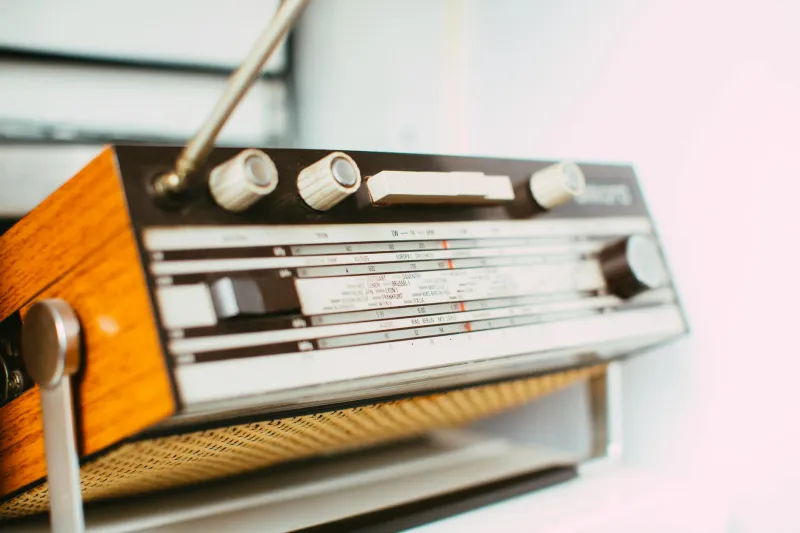
Picture this: It's October 1951, and the New York Giants are playing the Brooklyn Dodgers in the deciding game of the National League pennant race. But if you want to follow the action, you won't be sprawled on your couch with a beer and seven camera angles. Instead, you'll be pressed shoulder-to-shoulder with strangers outside Mel's Radio Shop on Main Street, straining to hear Red Barber's voice crackling through the static.
This was how America followed sports for the better part of three decades. Before television sets became household fixtures, the drama of athletic competition unfolded through radio waves and the collective imagination of gathered crowds. The experience was equal parts frustrating and magical—and nothing like the isolated, information-saturated way we consume sports today.
When Your Barber Knew the Score
In the 1940s and early 1950s, barbershops, diners, and corner taverns served as unofficial sports broadcasting centers. The lucky establishments with good radios became neighborhood gathering spots during big games. Men would crowd around a Philco or RCA set, hanging on every word as announcers painted pictures with their voices.
The ritual had its own rhythm. Conversations would hush when the announcer's voice grew tense. Groans would ripple through the crowd when their team fell behind. Victory meant handshakes and backslapping with people whose names you might not even know, but whose loyalty to the home team was never in question.
Compare this to today's experience: You can watch a game on your phone while walking down the street, pause it to grab a sandwich, and replay the winning touchdown from four different angles. You have access to real-time statistics, player biographies, and instant analysis from a dozen experts. But you're probably watching alone.
The Patience of Delayed Gratification
Perhaps the most striking difference was how Americans related to sports information itself. Missing a game didn't mean catching highlights on SportsCenter or scrolling through Twitter for updates. It meant waiting for the morning newspaper or asking around the neighborhood until someone filled you in.
Box scores in the sports section were treasured documents. Fans would study them like archaeological artifacts, reconstructing the drama of games they'd missed. A detailed game recap was a luxury, not an expectation. The Sunday sports section was a weekly feast that families passed around the breakfast table.
This enforced patience created a different relationship with athletic achievement. Records and milestones felt more permanent because information traveled slowly. When Babe Ruth's home run record was broken, it took days for the full significance to sink in across the country. Today, Aaron Judge's pursuit of that same record generated 50 tweets per minute and live analysis from every possible angle.
The Theater of the Mind
Radio announcers in this era were master storytellers, forced to create vivid mental pictures for audiences who couldn't see the action. They developed distinctive styles and catchphrases that became part of local culture. Mel Allen's "Holy Cow!" and Red Barber's "sitting in the catbird seat" weren't just commentary—they were the soundtrack to American summers.
Listeners became active participants in this theater of the mind. They filled in the visual gaps with their imagination, creating personal versions of stadiums and players they might never see in person. The crack of the bat, the roar of the crowd, and the announcer's rising excitement were enough to transport a barbershop in Cleveland to Yankee Stadium.
Today's broadcasts leave nothing to the imagination. Slow-motion replays, multiple camera angles, and graphics showing launch angles and exit velocities provide more information than any fan could possibly process. We've gained precision but lost the collaborative act of imagination that made radio sports so engaging.
What We Traded Away
Modern sports consumption offers undeniable advantages. You can watch any game, anywhere, anytime. You can follow your fantasy players across multiple contests simultaneously. You can access decades of statistics and video highlights with a few taps on your phone.
But something was lost in the transition from communal listening to individual viewing. The shared experience of uncertainty—not knowing the score until someone told you, gathering with strangers united only by team loyalty, depending on your imagination to fill in the details—created bonds that transcended the game itself.
The barbershop crowd that huddled around the radio wasn't just following a baseball game. They were participating in a neighborhood ritual, a form of civic engagement that happened to revolve around batting averages and earned run averages. When television moved sports from public spaces into private homes, we gained convenience but lost a piece of the social fabric that held communities together.
The Echo of Collective Memory
Today, sports remain a shared cultural experience, but the sharing happens differently. Social media creates virtual crowds, but they lack the physical presence and spontaneous human connection of those radio gatherings. We can argue about calls with thousands of strangers online, but we can't slap them on the back when our team wins.
The next time you're watching a game on your laptop while checking stats on your phone, imagine what that same contest would have felt like filtered through a crackling radio in a crowded barbershop. The score would have been the same, but the experience of discovering it would have been entirely different—slower, more social, and somehow more meaningful for requiring a little more effort and a lot more faith in the storyteller behind the microphone.