
The 9 PM Panic Attack
Picture this: It's 9:30 PM on a Tuesday in 1987. You're staring at algebra problem number 15, and you might as well be looking at ancient hieroglyphics. Your math textbook offers no real explanation, just more confusing examples. Your parents are watching the evening news, and bothering them means admitting you weren't paying attention in class. Your only hope? Calling Jimmy from third period and praying his mom doesn't answer the phone.
This was the reality for millions of American students before the internet turned every homework struggle into a solvable problem. Being stuck meant being genuinely stuck, sometimes for hours, sometimes until the next school day. There was no instant gratification, no step-by-step video tutorials, no AI tutors available at midnight.
The Awkward Art of the Homework Phone Call
Calling a classmate for help required social courage that today's students can barely imagine. First, you had to work up the nerve to dial. Then you had to navigate the gauntlet of family members who might answer. "Hi, Mrs. Peterson, is Jennifer there? It's about math homework."
If you were lucky enough to reach your target classmate, you'd spend the next twenty minutes trying to explain a problem over the phone without being able to show diagrams or equations. "No, not the one with the triangle — the other one. The one that has X squared... no, the OTHER X squared."
These phone calls created an unspoken social hierarchy. Some kids became known as the "smart ones" you could call for help. Others learned never to answer the phone after 8 PM during the school year. The really popular kids might field multiple homework help calls in a single evening, turning their kitchen into an unofficial tutoring center.
When Parents Were Your Last Resort
Asking parents for homework help was a delicate negotiation. Dad might have been an engineer, but his methods for solving math problems often involved techniques that hadn't been taught in schools for twenty years. "We didn't do it that way when I was in school," became the most dreaded phrase in American households.
Mom might remember enough high school history to help with dates and events, but her knowledge of the Revolutionary War came from textbooks that were already outdated when she learned from them. Science homework was particularly treacherous — parents would confidently explain concepts that had been disproven or updated since their own school days.
 Photo: Revolutionary War, via thehistoryjunkie.com
The generation gap in homework help created countless kitchen table arguments. Parents couldn't understand why their perfectly logical explanations didn't match what teachers were looking for. Kids couldn't explain that "new math" really was different from "old math." Everyone went to bed frustrated.
The Library: Your Academic Emergency Room
When all else failed, you'd make a mental note to hit the library the next day. School libraries became triage centers for homework casualties. Students would line up before first period, clutching half-finished assignments and hoping to find answers in encyclopedias and reference books.
Librarians were the unsung heroes of academic survival. They'd guide desperate students to the right section, help them navigate card catalogs, and sometimes even offer gentle hints about where to find specific information. But even library research was a time-consuming gamble. You might spend an hour looking for information about the War of 1812 only to find that your school's encyclopedia set was missing volume "W."
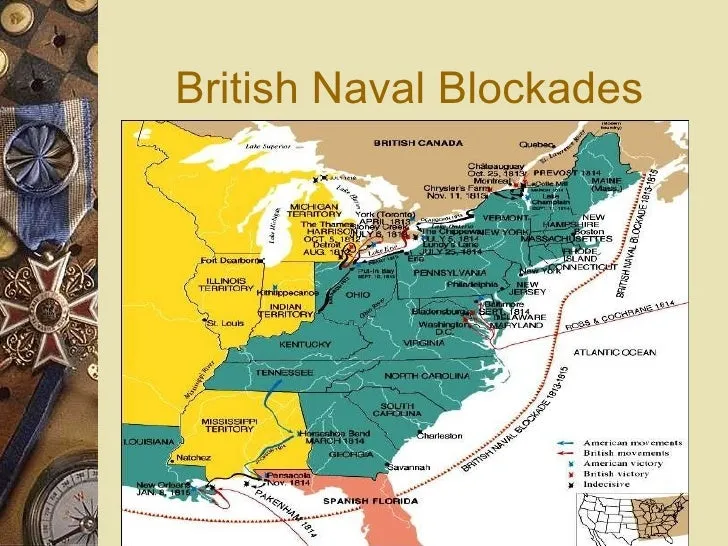 Photo: War of 1812, via image.slidesharecdn.com
The pressure was real because there was no backup plan. If the library didn't have what you needed, you'd walk into class empty-handed and face the consequences. No extensions, no "I'll email it to you later," just the harsh reality of incomplete work.
The Rise of Instant Academic Gratification
Today's students live in a completely different universe. Stuck on a calculus problem at midnight? YouTube has seventeen different teachers explaining that exact concept in seventeen different ways. Can't remember the causes of World War I? Wikipedia has more detailed information than most college textbooks from the 1980s.
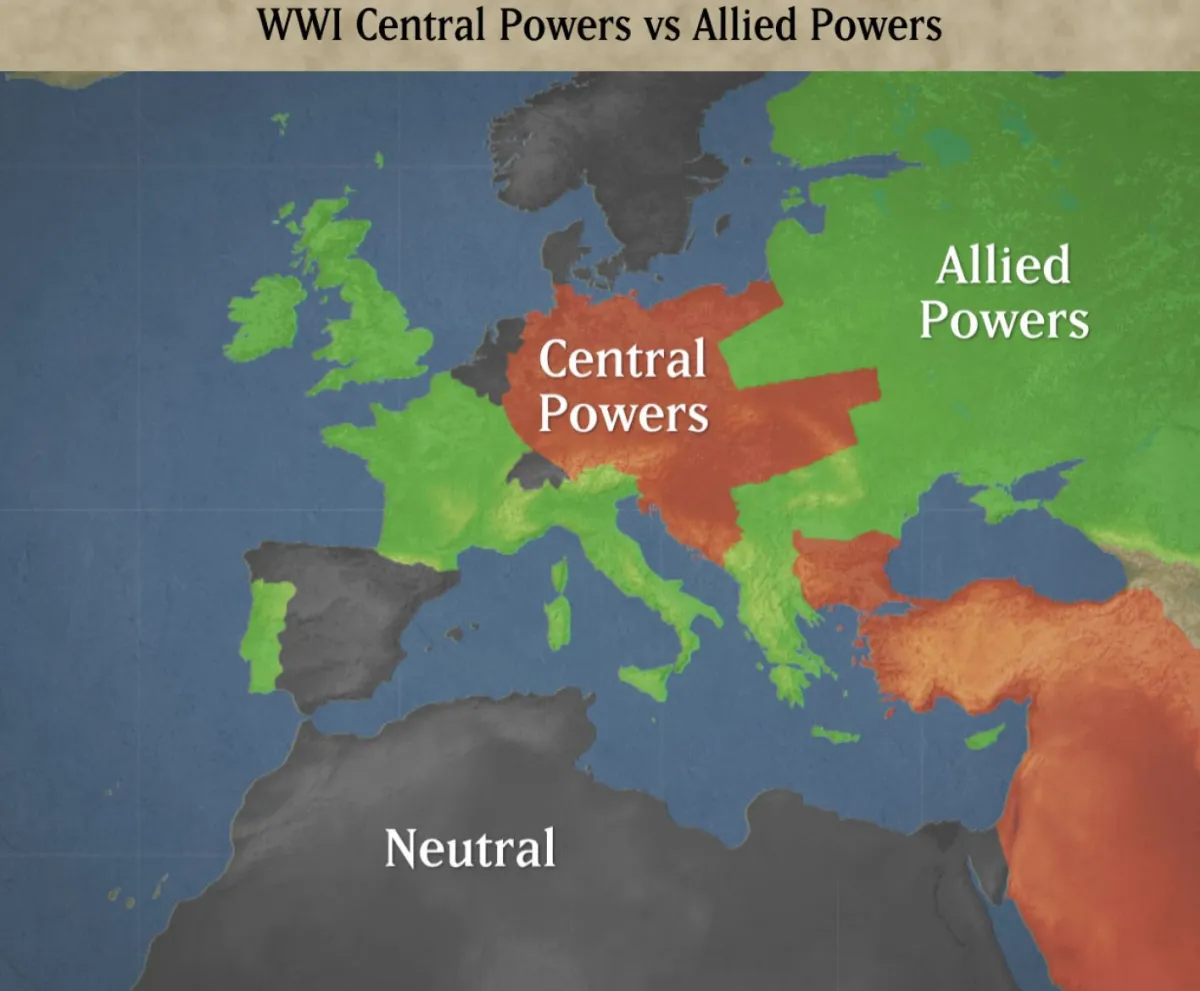 Photo: World War I, via worldwar1-global-chaos.weebly.com
Modern students can access Khan Academy, Coursera, Chegg, and countless other educational platforms that provide instant, expert-level help on virtually any topic. They can join study groups on Discord, get real-time help on Reddit, and even chat with AI tutors that never get tired or impatient.
The transformation is so complete that today's parents often feel helpless when their kids ask for homework help. "Just Google it" has replaced "Ask your father," but it's also eliminated the shared struggle that once bonded families over kitchen table homework sessions.
What We Lost When Learning Became Easy
The old system was frustrating, inefficient, and often unfair. But it also taught students something valuable: how to persist through genuine difficulty. When you couldn't instantly find the answer, you had to develop different kinds of problem-solving skills. You learned to approach problems from multiple angles, to break complex questions into smaller parts, and to think creatively about solutions.
The social aspect of homework help also built important life skills. Calling a classmate for help required humility, communication skills, and the ability to build academic relationships. Students learned to give and receive help, creating networks of mutual support that extended beyond the classroom.
The Paradox of Infinite Information
Ironically, having access to all the world's information hasn't necessarily made students better learners. The ease of finding answers has sometimes replaced the harder work of understanding concepts. Why struggle to understand how photosynthesis works when you can copy and paste a perfect explanation from three different websites?
Today's educators face the challenge of teaching students not just what to learn, but how to learn in a world where information is infinite but wisdom is still earned through effort and practice.
The homework help revolution represents one of the most dramatic changes in American education. We've solved the problem of access to information, but we're still figuring out how to preserve the character-building struggle that once made academic achievement feel genuinely earned.