The Appointment Everyone Dreaded
In 1965, making a dental appointment was like scheduling your own execution. Children would beg their parents to postpone cleanings. Adults would put off necessary work for years, enduring toothaches rather than facing the dentist's chair. This wasn't medical anxiety — it was rational fear based on the reality that dental care meant unavoidable, significant pain.
Walking into a mid-century dental office meant entering a world where comfort was an afterthought and pain management was primitive at best. The smell of antiseptic couldn't mask the underlying tension that permeated these spaces, where both patients and practitioners accepted that oral healthcare necessarily involved suffering.
The phrase "grin and bear it" could have been invented for dental visits. Patients were expected to endure procedures that would be considered barbaric by today's standards, armed with little more than willpower and perhaps a leather strap to bite down on during particularly intense moments.
When Novocaine Was a Luxury
Local anesthesia existed in the 1950s and 60s, but it wasn't routinely used for many procedures that would be unthinkable without it today. Dental cleanings, fillings, and even some extractions were often performed with minimal or no pain relief. Dentists rationed novocaine like a precious resource, using it only for the most invasive procedures.
When anesthesia was used, the experience was far from comfortable. The needles were larger, the injection techniques less refined, and the anesthetic itself took longer to take effect. Patients would endure the sharp pain of the injection, then wait anxiously to see if the numbing would be sufficient for the work ahead.
Many dentists believed that a little pain built character and that patients were better off experiencing some discomfort to ensure they took better care of their teeth. This philosophy, combined with limited anesthetic options, created a culture where dental pain was normalized and expected.
The Drill Sergeant Approach
Dental equipment in the mid-20th century was designed for function, not comfort. Drills were slower, louder, and generated more heat and vibration than modern tools. The high-pitched whine of a 1960s dental drill could be heard throughout the office, serving as psychological torture for patients waiting their turn.
X-rays required patients to hold uncomfortable film plates in their mouths for extended periods, often causing gagging and jaw strain. The radiation exposure was higher, and the images were less precise, meaning procedures often involved more guesswork and exploration than today's digitally-guided treatments.
Dental chairs were basic mechanical devices — more like barber chairs than the ergonomic, electronically-controlled treatment platforms used today. There was no built-in entertainment, no heated seats, no massage functions. Just a chair, a bright light, and the understanding that you were there to endure whatever needed to be done.
When Extraction Was the First Option
The philosophy of dental care was fundamentally different in the pre-modern era. Rather than preserving teeth at all costs, dentists often saw extraction as the most practical solution to dental problems. Root canals were extremely painful and had lower success rates, so pulling teeth was frequently the preferred treatment.
This approach created a generation of Americans who lost significant numbers of teeth by middle age. Dentures weren't a last resort for the elderly — they were a common solution for anyone whose teeth had succumbed to decay or damage. The idea of spending thousands of dollars to save a single tooth would have seemed absurd to both dentists and patients.
Preventive care was minimal compared to today's standards. Regular cleanings weren't emphasized, fluoride treatments were uncommon, and the connection between oral health and overall health wasn't well understood. Dentistry was primarily reactive — you went to the dentist when something was wrong, not to prevent problems.
The Transformation Begins
The revolution in dental care began in the 1970s and accelerated through the following decades. Better anesthetics became available, injection techniques improved, and the philosophy of pain management shifted dramatically. Dentists began to understand that patient comfort wasn't just humane — it was good for business and better for treatment outcomes.
High-speed drills reduced treatment time and generated less heat, making procedures more tolerable. Improved suction systems kept patients' mouths drier and more comfortable. Air abrasion techniques offered alternatives to traditional drilling for some procedures.
The development of nitrous oxide systems gave patients access to sedation that made dental work not just bearable, but sometimes even pleasant. For the first time in dental history, patients could undergo significant procedures while feeling relaxed and comfortable.
The Modern Dental Spa Experience
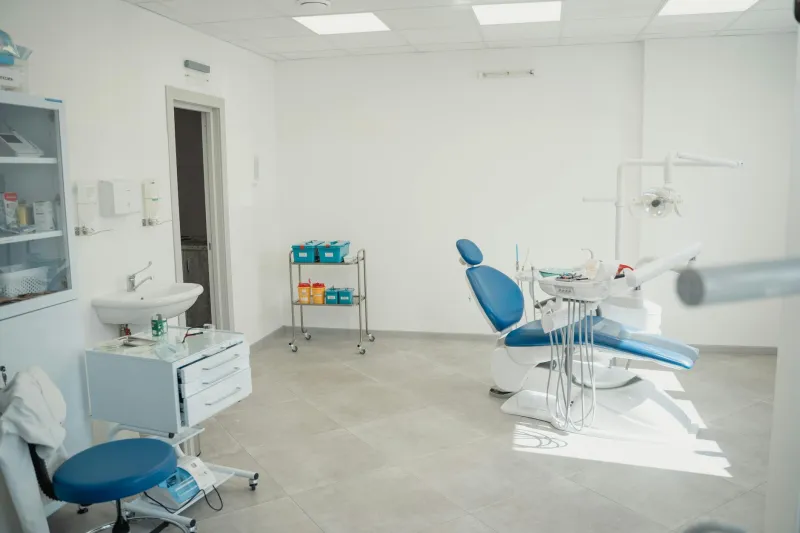
Today's dental office would seem like science fiction to a patient from 1960. Digital X-rays provide instant, detailed images with minimal radiation exposure. Computer-guided procedures ensure precision that eliminates much of the guesswork that once made dental work unpredictable and painful.
Modern anesthetics are more effective, longer-lasting, and administered with techniques that minimize discomfort. Topical numbing gels eliminate the pain of injections, and some offices use laser therapy and other advanced techniques that require no anesthesia at all.
Sedation dentistry has transformed the experience for anxious patients. Options range from mild oral sedation to full IV sedation, allowing even the most fearful patients to receive necessary care in comfort. Some dental offices now resemble spas more than medical facilities, with massage chairs, aromatherapy, and entertainment systems.
The Cosmetic Revolution
Perhaps the most dramatic change has been the shift from purely functional to aesthetic dentistry. In 1960, the goal was to fix problems and relieve pain. Today, cosmetic dentistry is a multi-billion dollar industry focused on creating perfect smiles.
Teeth whitening, veneers, invisible braces, and smile makeovers have transformed dentistry from a necessary evil into an optional enhancement. Americans now spend more on cosmetic dental procedures than many countries spend on basic healthcare.
This shift reflects broader changes in American culture — the emphasis on appearance, the expectation of comfort, and the belief that medical procedures should enhance rather than merely maintain health.
The Prevention Revolution
Modern dentistry's focus on prevention would be revolutionary to practitioners from the 1960s. Regular cleanings, fluoride treatments, sealants, and early intervention have dramatically reduced the need for major dental work. Children today often reach adulthood without a single cavity — an achievement that would have seemed impossible in earlier eras.
The connection between oral health and overall health is now well-established, leading to integrated care approaches that consider dental health as part of general wellness. This holistic view has elevated dentistry from a specialized trade to an essential component of healthcare.
What We've Gained
The transformation of dental care represents one of modern medicine's greatest success stories. Procedures that once required tremendous courage now rank among routine healthcare maintenance. The fear that once kept Americans away from dental offices has been largely eliminated, leading to better oral health outcomes across the population.
Advanced pain management, precise diagnostic tools, and minimally invasive techniques have made dental care accessible to people who once avoided it entirely. The shift toward prevention has reduced the need for major interventions, creating a positive cycle where regular care prevents the problems that once made dental visits traumatic.
The Price of Progress
The comfort and sophistication of modern dentistry comes with costs that would shock patients from earlier eras. Procedures that once cost a few dollars now run into thousands. The technology that makes modern dentistry comfortable and effective requires significant investment, reflected in treatment prices that can strain family budgets.
The expectation of pain-free, perfect outcomes has also created new pressures. Patients now expect not just functional teeth, but perfect smiles. The cosmetic standards promoted by modern dentistry can create anxiety and expense that didn't exist when the goal was simply to address problems as they arose.
Yet few Americans would choose to return to the dental care of 1960, no matter how much simpler and cheaper it was. The transformation from torture chamber to comfortable healthcare represents genuine progress — a reminder that not all changes in American life involve trade-offs. Sometimes, things simply get better.