The Sacred Junk Drawer Collection
Every American kitchen had one: the designated junk drawer that somehow became the unofficial archive of local dining options. Buried beneath rubber bands, expired coupons, and mysterious keys that unlocked nothing, lay a collection of takeout menus that represented the culinary lifeline of busy families across the country.
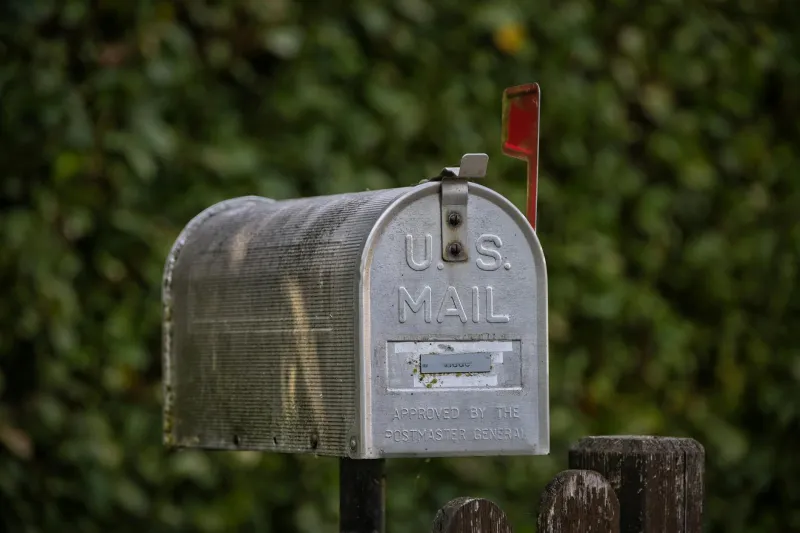
These weren't just menus — they were treasures. Each one had been carefully retrieved from doorsteps where delivery drivers had left them, rescued from mailboxes where they'd been stuffed alongside bills and advertisements, or grabbed from restaurant counters during the rare dine-in experience. The good ones, the menus from places that actually delivered decent food, were protected like family heirlooms.
The hierarchy was clear: Chinese restaurants ruled the collection, usually represented by at least three different establishments with remarkably similar menus. Pizza places claimed the second tier, their colorful flyers promising 30-minute delivery that rarely materialized. The wild cards — Indian, Thai, or that one Greek place that might or might not still be in business — occupied the bottom of the stack.
The Friday Night Decision Matrix
Choosing what to order for dinner wasn't the simple swipe-through-photos experience it is today. It was a family negotiation that could stretch for thirty minutes or more. Someone would announce "Let's order out," triggering the great menu excavation from the junk drawer.
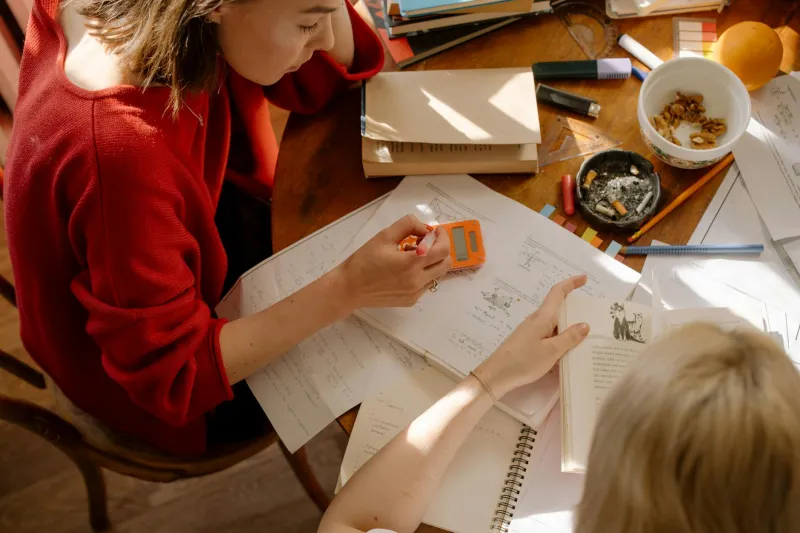
The menus would be spread across the kitchen table like ancient maps. Each family member would advocate for their preferred option while others raised objections: "We had Chinese last week." "That pizza place takes forever." "Remember what happened last time we ordered from there?"
Prices had to be calculated manually, often with a calculator that lived in the same junk drawer as the menus. Delivery minimums were serious business — you'd add an order of egg rolls you didn't really want just to hit the $15 threshold. Tax and tip calculations happened on the back of an envelope, usually underestimating the total cost by several dollars.
The Landline Lottery
Once a decision was reached, the real adventure began: making the actual phone call. This wasn't a tap-and-order situation. Someone had to dial the number printed in tiny font on a menu that had been folded and unfolded dozens of times. Half the time, the number was partially obscured by grease stains or had been worn away by handling.
Calling meant navigating busy signals, especially on Friday and Saturday nights when it seemed like everyone in America had the same brilliant idea to order Chinese food. You'd redial the same number eight times, finally getting through only to be put on hold for ten minutes while kitchen noise and muffled conversations played in the background.
When someone finally took your order, the communication challenges were real. Reading items from a menu over the phone, spelling out your address letter by letter, and confirming that yes, you really did want extra duck sauce created opportunities for misunderstandings that wouldn't be discovered until the food arrived.
The Great Unknown: Delivery Time Estimates
The most honest answer in 1990s food delivery was "About 45 minutes," which translated to anywhere between 30 minutes and two hours depending on weather, traffic, how busy they were, and whether the delivery driver could find your house. There was no tracking, no real-time updates, no way to know if your order was being prepared or if it was sitting in a car somewhere while the driver tried to decode your directions.
Families developed coping strategies for the uncertainty. You'd order earlier than you wanted to eat, knowing it might take forever. You'd keep backup snacks handy in case dinner was running late. Kids learned to manage their hunger while parents periodically called the restaurant for updates: "Hi, I ordered about an hour ago... order for Johnson... yeah, I'll keep waiting."
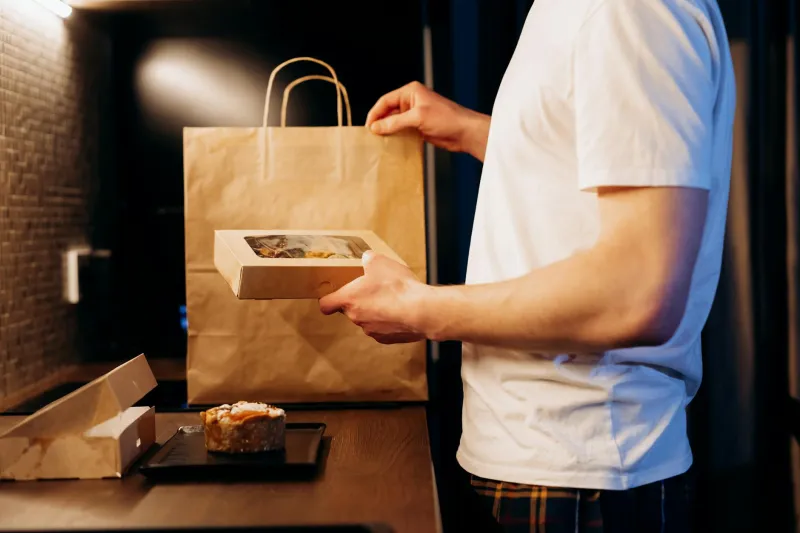
The arrival of food became a genuine celebration. Someone would announce "Food's here!" like Paul Revere warning of British invasion. The whole family would gather to inspect the order, checking that everything was included and still warm enough to eat.
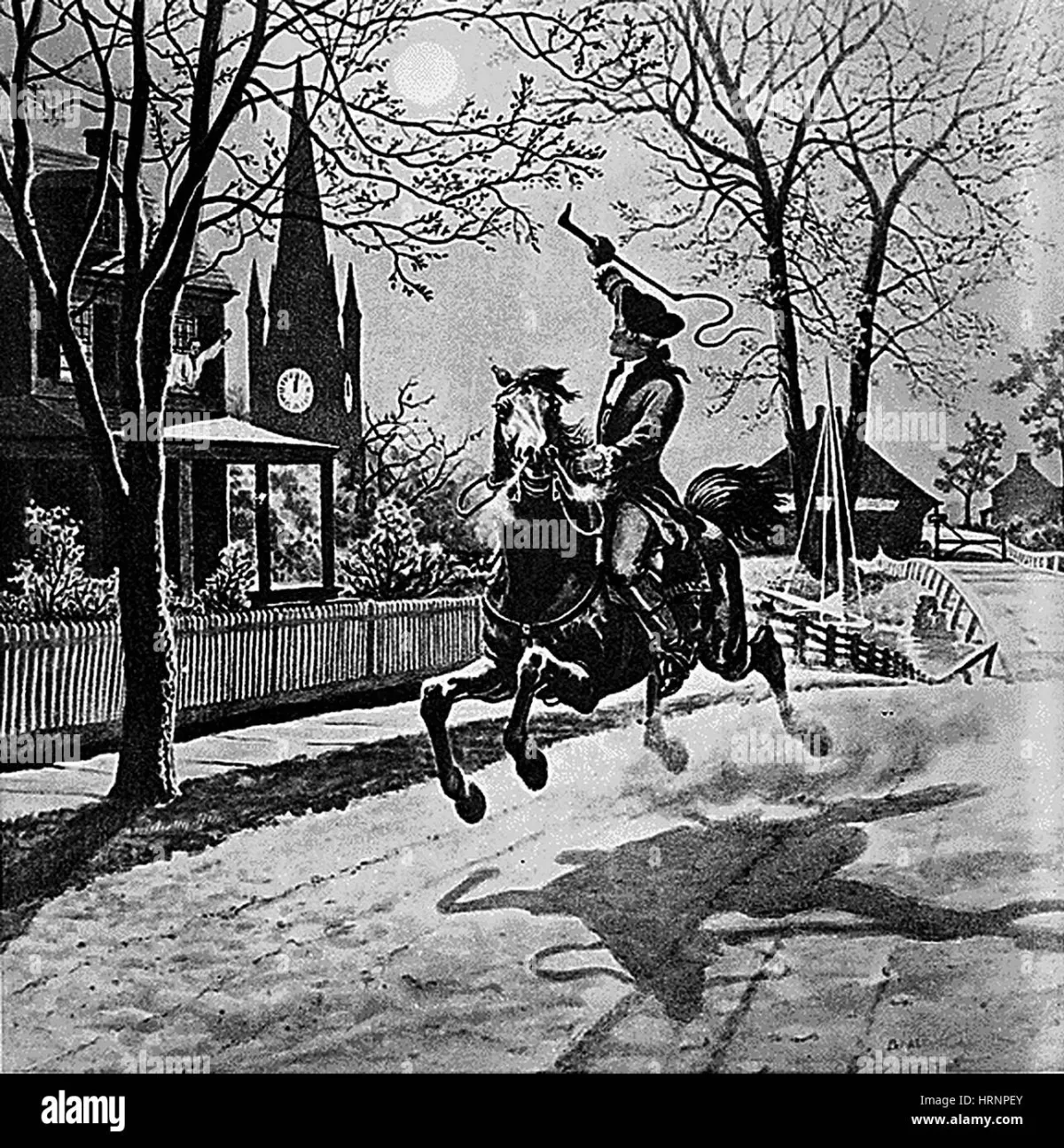 Photo: Paul Revere, via c8.alamy.com
When Mistakes Meant Starting Over
Getting the wrong order was a family crisis that required immediate strategic planning. You could call the restaurant and complain, but that meant waiting another hour for the correct food to arrive. You could drive to the restaurant yourself, but that defeated the purpose of delivery. Or you could just eat what you got and chalk it up to experience.
Most families chose option three. Kids learned to eat sweet and sour pork when they'd ordered chicken lo mein. Parents discovered new dishes by accident when restaurants mixed up their orders. The wrong food became an adventure in culinary flexibility that modern families rarely experience.
The Digital Revolution Changes Everything
Today's food delivery experience would seem like magic to families from the 1990s. Apps like DoorDash, Uber Eats, and Grubhub have eliminated virtually every friction point from the old system. Hundreds of restaurants are available with a few taps. Photos show exactly what you're ordering. Prices include tax and tip automatically. Real-time tracking shows your driver's location down to the street corner.
The junk drawer menu collection has been replaced by infinite scroll. The family negotiation happens in private as everyone browses options on their own phone. The uncertainty of delivery timing has been replaced by minute-by-minute updates that border on surveillance.
What the Junk Drawer Menu Era Taught Us
The old system was inefficient, frustrating, and often disappointing. But it also created shared experiences that modern families rarely have. The menu selection process brought families together around the kitchen table. Everyone had to compromise and participate in the decision-making process.
Waiting for food taught patience in a way that modern instant gratification culture has eliminated. Kids learned that good things take time and that some experiences can't be rushed or optimized.
The junk drawer menu collection also connected families to their neighborhoods in ways that app-based delivery doesn't. You knew which local restaurants were reliable, which ones to avoid, and which drivers were friendly enough to help find your house in the dark.
The End of an Era
The last junk drawer menu collections are disappearing from American kitchens, replaced by bookmarked apps and favorited restaurants on digital platforms. We've gained convenience, speed, and choice. We've lost the communal experience of spreading menus on the table and the character-building exercise of waiting patiently for dinner to arrive.
The transformation represents more than just technological progress — it's a shift from shared family experiences to individual consumer choices, from neighborhood relationships to algorithm-driven recommendations, from patience-building uncertainty to anxiety-inducing precision.
Somewhere in America, there's probably still a family with a junk drawer full of takeout menus, holding onto a piece of culinary history that once defined Friday night dinner decisions across the country.