The Original Social Network
Before there were neighborhood Facebook groups, NextDoor alerts, and group text threads, there was Mrs. Henderson's front porch. Every American community had one — that central hub where information flowed, rumors started, and social bonds were forged through the simple act of talking to your neighbors.
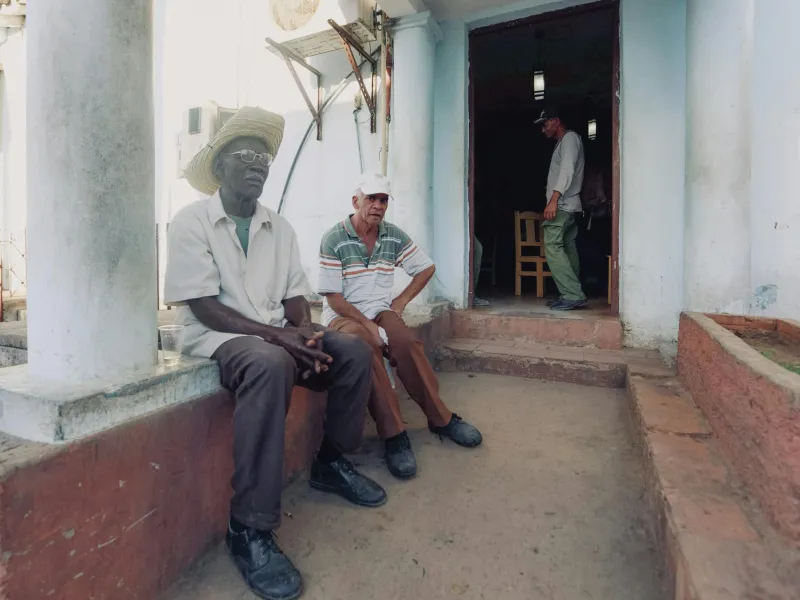
In the 1950s and 60s, the front porch served as America's original social media platform. Women would sit with their coffee in the morning, watching children walk to school and sharing updates about whose husband got promoted, which family was expecting, and whether the new neighbors seemed friendly. Men would gather after work, discussing everything from local politics to whose lawn needed attention.
This wasn't idle chatter — it was the circulatory system of community life. Information moved at the speed of conversation, filtered through personal relationships, and carried the weight of face-to-face accountability.
When Eight Families Shared One Line
The party line telephone system created America's first technological gossip network. In rural areas and small towns, multiple families shared a single phone line, which meant every conversation was potentially a community event. Each family had a distinctive ring pattern, but nothing stopped neighbors from quietly picking up their receiver to listen in.
These eavesdropping opportunities created an informal but highly effective information distribution system. News of emergencies, celebrations, and scandals spread through party line networks faster than any newspaper could manage. The system had built-in social controls too — knowing your neighbors might be listening kept most conversations relatively civil.
Party line etiquette became a crucial social skill. You learned to keep calls brief, avoid tying up the line during dinner hours, and develop a sixth sense for when someone else was listening. The phrase "get off the line, Mildred" became a running joke in American culture, but it reflected a real social dynamic where privacy was a luxury and community information was a shared resource.
The Neighborhood Newsletter Revolution
As suburbs exploded in the post-war era, communities needed new ways to stay connected. Enter the neighborhood newsletter — usually a mimeographed, volunteer-produced publication that served as the community's official gossip hub.
These newsletters were masterpieces of diplomatic information sharing. They'd announce new births and job promotions alongside reminders about trash pickup schedules and complaints about unleashed dogs. The social news section became must-read material: "The Johnsons returned from their vacation to Florida and report having a wonderful time," or "We're sorry to hear that Mrs. Patterson is recovering from her recent surgery and wish her well."
Writing for the neighborhood newsletter required serious diplomatic skills. How do you report that the Millers are getting divorced without actually saying they're getting divorced? How do you mention the teenager who was arrested without naming names? Newsletter editors became masters of reading between the lines and writing in code that everyone understood.
Coffee Klatches and Beauty Parlor Intelligence
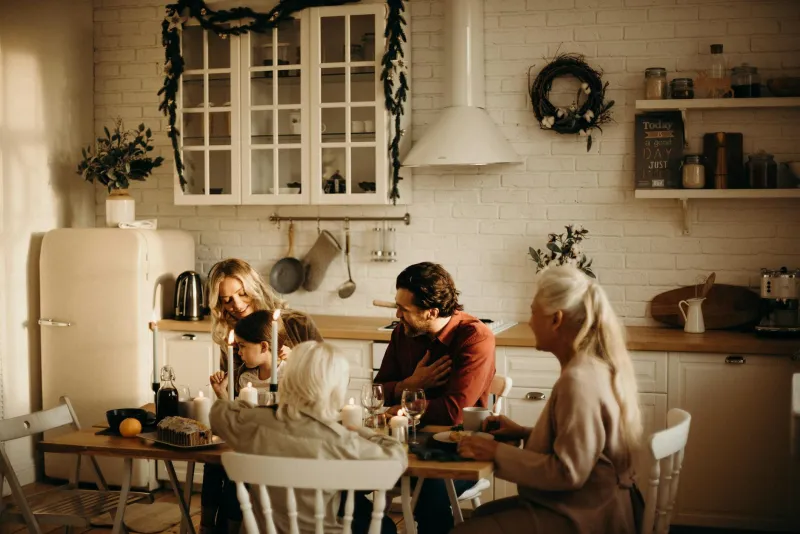
The American coffee klatch deserves recognition as one of history's most efficient information networks. Groups of women would rotate hosting duties, gathering weekly in each other's kitchens to drink coffee, eat cake, and catch up on everything happening in their social circles.
These weren't casual get-togethers — they were intelligence operations disguised as social events. Information shared at coffee klatches could make or break reputations, launch romances, or resolve neighborhood disputes. The unspoken rules were strict: what was shared in the kitchen stayed in the kitchen, unless it was the kind of news that needed wider distribution for the good of the community.
Beauty parlors served a similar function, creating weekly gatherings where women from across social and economic lines would find themselves under hair dryers, sharing stories and updates. Hairdressers became unofficial community therapists and information brokers, privy to secrets from every family in town.
The Speed of Change
The transformation of American gossip networks accelerated dramatically with each new technology. Email lists in the 1990s allowed neighborhood coordinators to reach dozens of families instantly. Early internet forums created space for more detailed discussions about community issues.
But nothing prepared communities for the social media revolution. Suddenly, the careful diplomatic language of neighborhood newsletters gave way to immediate, unfiltered reactions. The face-to-face accountability of front porch conversations disappeared behind screen names and profile pictures.
The Facebook Neighborhood Wars
Today's neighborhood Facebook groups would be unrecognizable to Mrs. Henderson and her front porch network. The same human needs that drove community gossip — safety, social connection, shared problem-solving — now play out in digital spaces where nuance dies and drama multiplies.
Modern neighborhood social media combines the reach of a newsletter with the immediacy of a party line and the disinhibition of anonymity. The results can be explosive. A simple post about a suspicious van becomes a 200-comment thread about property values, racial profiling, and police response times. A complaint about barking dogs turns into a community-wide argument about pet ownership, noise ordinances, and respect for neighbors.
The speed of digital communication has eliminated the natural cooling-off periods that once existed in community conflicts. In the front porch era, you had time to think before responding to neighborhood news. You might sleep on it, discuss it with your spouse, or wait until you ran into the person at the grocery store. Digital platforms demand immediate reactions and reward the most emotional responses with engagement.
What We've Gained and Lost
Modern neighborhood communication networks are undeniably more efficient than their predecessors. Emergency information spreads in minutes rather than hours. Community organizing happens at unprecedented speed. Introverted residents who never would have joined front porch conversations can participate in neighborhood discussions.
But efficiency isn't everything. The old systems created genuine relationships alongside information exchange. When you got your neighborhood news from Mrs. Henderson's front porch, you also got to know Mrs. Henderson — her personality, her values, her way of seeing the world. Digital networks can connect hundreds of neighbors without creating a single meaningful relationship.
The accountability that came with face-to-face community gossip has largely disappeared. It's much easier to spread rumors, make accusations, or start conflicts when you're typing on a keyboard rather than looking someone in the eye. The social skills that Americans once developed through neighborhood information networks — diplomacy, discretion, empathy — are being lost.
The Eternal Human Need
What hasn't changed is the fundamental human need that drove Mrs. Henderson to her front porch every morning and now drives millions of Americans to check their neighborhood Facebook groups. We need to feel connected to the people around us. We need to know what's happening in our immediate environment. We need to feel like we belong to something larger than our individual households.
The technology has evolved from front porches to party lines to newsletters to Facebook groups, but the underlying motivation remains constant. Americans have always been a social species, hungry for information about their communities and eager to share their own news with neighbors.
The challenge isn't the human need for connection — it's learning how to fulfill that need in ways that build community rather than divide it. The front porch gossip network wasn't perfect, but it created relationships alongside information exchange. It rewarded diplomacy and discouraged cruelty through the simple mechanism of face-to-face accountability.
As we navigate the digital transformation of community communication, we might do well to remember what made those old systems work: the understanding that information sharing is ultimately about building relationships, not just transmitting data.