Walk into any modern pharmacy and you'll encounter a sterile landscape of fluorescent lights, self-checkout kiosks, and hurried customers picking up prescriptions from behind bulletproof glass. The interaction lasts thirty seconds, involves zero conversation, and feels more like a vending machine transaction than a human exchange.
Now imagine a different scene: oak-paneled walls, gleaming marble counters, and the gentle hiss of carbonated water being mixed with flavored syrups. This was the American drugstore soda fountain, where your pharmacist doubled as your bartender, your counselor, and sometimes your unofficial family doctor.
The Golden Age of Fizz and Fellowship
From the 1880s through the 1960s, nearly every neighborhood drugstore featured a soda fountain as its social centerpiece. These weren't just places to grab a quick drink — they were the beating heart of American community life.
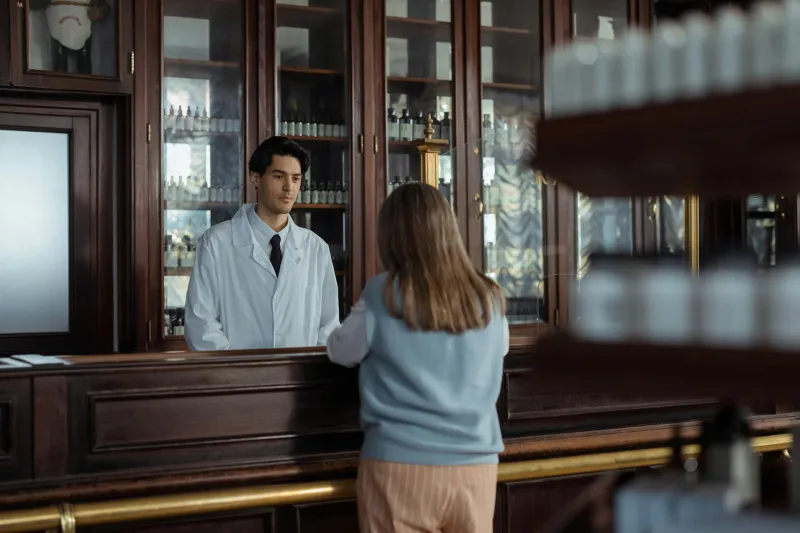
The pharmacist, dressed in his crisp white coat, would hand-craft each beverage with the same precision he applied to mixing medications. A cherry phosphate cost a nickel, a chocolate soda ran you seven cents, and an ice cream sundae was the height of indulgence at fifteen cents. But the real value wasn't in the refreshment — it was in the relationship.
"Mr. Henderson knew every family in a six-block radius," recalls Dorothy Martinez, now 78, about her childhood pharmacist in Cleveland. "He'd ask about your mother's arthritis while mixing your cherry Coke, and somehow he always remembered if your father was struggling with his back again."
 Photo: Dorothy Martinez, via signature.freefire-name.com
This wasn't unusual. The soda fountain pharmacist served as an informal healthcare advisor for entire neighborhoods. People would sidle up to the counter with complaints that didn't quite warrant a doctor's visit but needed more attention than they could give themselves. A persistent cough, trouble sleeping, or mysterious stomach pains — all became topics of conversation over a vanilla phosphate.
More Than Medicine: The Social Prescription
The drugstore soda fountain occupied a unique position in American social architecture. It was respectable enough for church ladies to frequent, casual enough for teenagers to claim as their own, and convenient enough to become part of daily routines.
After school, high schoolers would crowd around the counter, sharing gossip over chocolate malteds. Business deals were discussed over coffee. First dates often began with the nervous ritual of sharing a sundae with two spoons. The fountain served as meeting place, study hall, and refuge from both summer heat and winter cold.
Unlike today's coffee shops with their laptop-wielding customers absorbed in individual screens, the soda fountain demanded interaction. You couldn't hide behind a device that didn't exist. Conversation was the entertainment, and the pharmacist often played the role of informal moderator, keeping discussions flowing and tempers cool.
The Pharmacist as Community Cornerstone
The man behind the counter wasn't just mixing drinks — he was weaving the social fabric of the neighborhood. Pharmacists in this era typically owned their stores, lived in the community they served, and built relationships that spanned generations.
They knew which regular customer was diabetic (long before blood glucose monitors made self-testing possible), whose child had chronic ear infections, and which elderly patron might benefit from a daily check-in disguised as a casual chat over coffee.
This knowledge came with responsibility. The pharmacist became a keeper of family secrets, a dispenser of gentle advice, and sometimes the first line of defense against serious health problems. "Mrs. Patterson would come in every Tuesday for her usual vanilla Coke," remembers former pharmacist Robert Chen, who ran a fountain in San Francisco's Richmond District until 1967. "When she stopped showing up, I walked to her house to check on her. Found out she'd fallen and couldn't get around. That's just what you did."
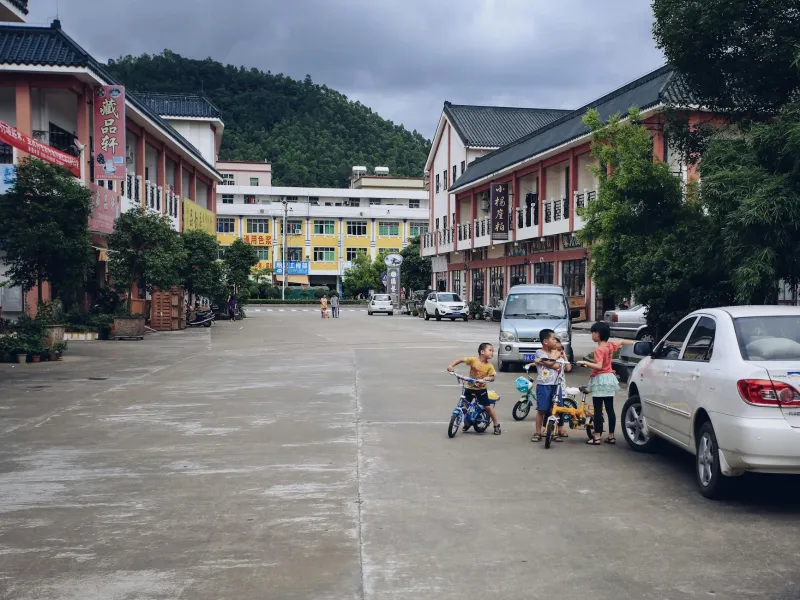
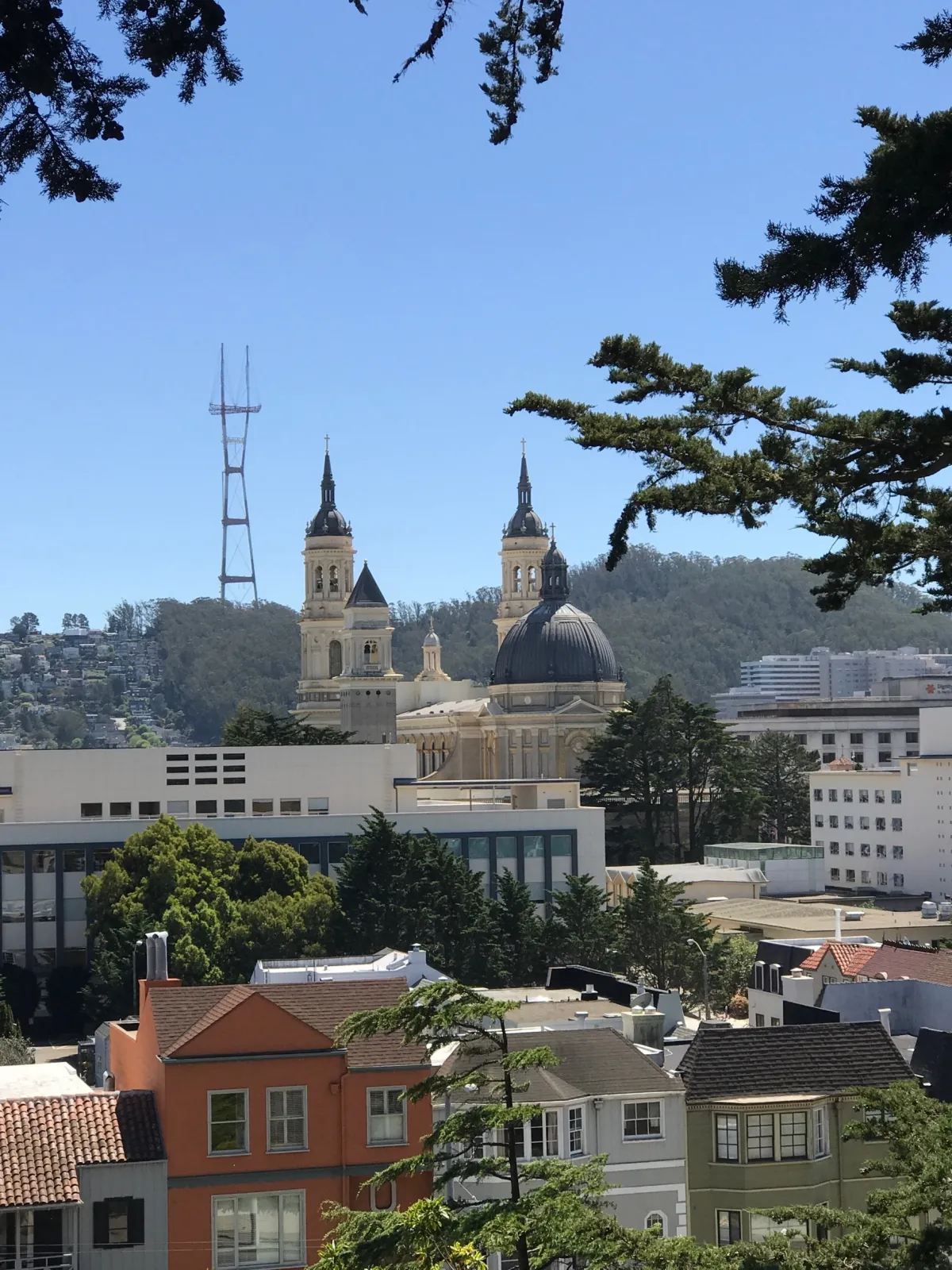 Photo: San Francisco's Richmond District, via mediaim.expedia.com
The End of an Era
Several forces conspired to kill the American soda fountain. Chain pharmacies prioritized efficiency over relationships. Fast food restaurants offered cheaper alternatives. Air conditioning made the cool relief of an ice cream soda less essential. But perhaps most significantly, American life itself accelerated beyond the gentle pace that made fountain culture possible.
The last commercial soda fountains began disappearing in the 1970s, victims of changing economics and shifting social patterns. The intimate neighborhood drugstore gave way to corporate efficiency, prescription automation, and the modern reality where your pharmacist is more likely to be a rotating cast of employees than a familiar face who remembers your name.
What We Lost in the Transition
Today, we've distributed the soda fountain's various functions across multiple specialized businesses. We get our caffeine fix at Starbucks, our social needs met through social media, our medical advice from WebMD, and our prescriptions from CVS. Each serves its purpose efficiently, but something essential was lost in the division.
The drugstore soda fountain represented a time when healthcare, community, and daily pleasure intersected at a single marble counter. In our rush toward convenience and efficiency, we've gained speed and lost something harder to quantify: the daily human connections that once made neighborhood life rich with familiar faces and genuine care.
The next time you tap your card at a pharmacy pickup window, consider what your great-grandmother experienced when she needed both medicine and human connection. She got both from the same person, in the same place, sweetened with a cherry phosphate that cost a nickel and delivered with a smile that money couldn't buy.