Bygones vs Today Home

Category

Health

14 articles

Static, Luck, and a Dollar Forty-Nine: How Teenagers Once Hunted Down Music They Loved

Static, Luck, and a Dollar Forty-Nine: How Teenagers Once Hunted Down Music They Loved

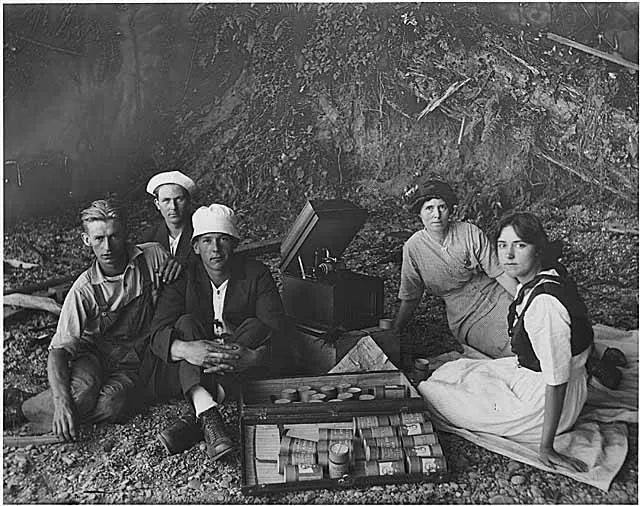
Before algorithms decided what you'd like next, discovering a great song was an adventure with no guaranteed outcome. For American teenagers from the 1950s through the 1980s, new music arrived through crackling radio signals, dog-eared record store bins, and borrowed cassette tapes — slowly, regionally, and unforgettably. Something about that friction made the music matter more.

Nobody Blew the Whistle: The Unruly, Ungoverned Hour That Taught Kids Everything

Nobody Blew the Whistle: The Unruly, Ungoverned Hour That Taught Kids Everything

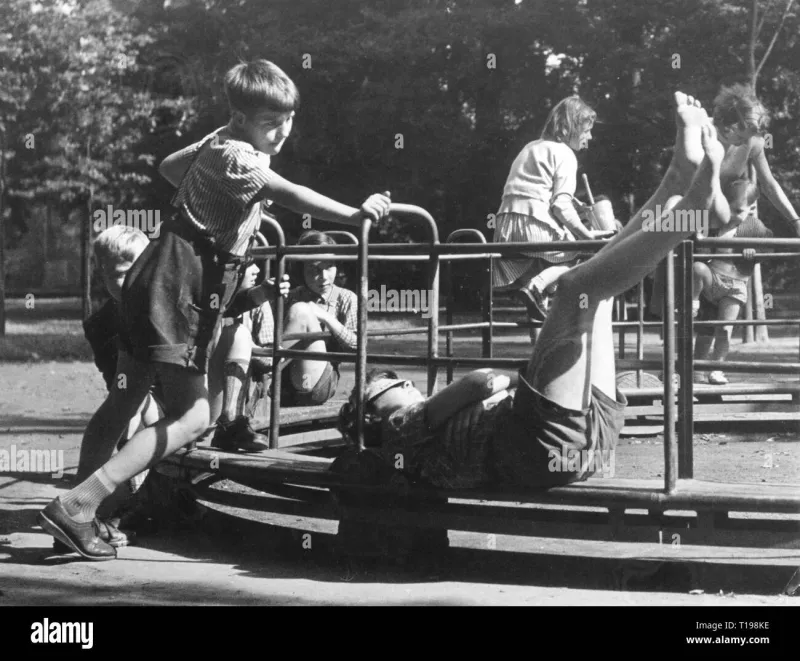
For most of the twentieth century, American schoolchildren spent recess largely on their own — negotiating rules, settling disputes, and occasionally bleeding a little. No adult refereed. No app tracked their activity. They figured it out. Today's recess looks almost nothing like that, and the difference says a lot about how America now thinks about children, risk, and growing up.

Gripping the Chair: When Going to the Dentist Was Genuine Torture

Gripping the Chair: When Going to the Dentist Was Genuine Torture

A routine dental cleaning in 1960 involved more pain than most people experience in medical procedures today. The transformation from dental torture chamber to spa-like comfort happened faster than most Americans realize — and changed how we think about oral health entirely.

The Weight of Paper: When Your Life History Lived in File Folders and Shoeboxes

The Weight of Paper: When Your Life History Lived in File Folders and Shoeboxes

Before the cloud, Americans maintained physical archives of their entire lives—insurance policies in manila folders, medical records in expandable files, and tax returns rubber-banded by year. Losing a document could mean financial disaster, but touching your paperwork made your life feel real and manageable.

The Family Medical Bible: How Americans Diagnosed Themselves Before Dr. Google

The Family Medical Bible: How Americans Diagnosed Themselves Before Dr. Google

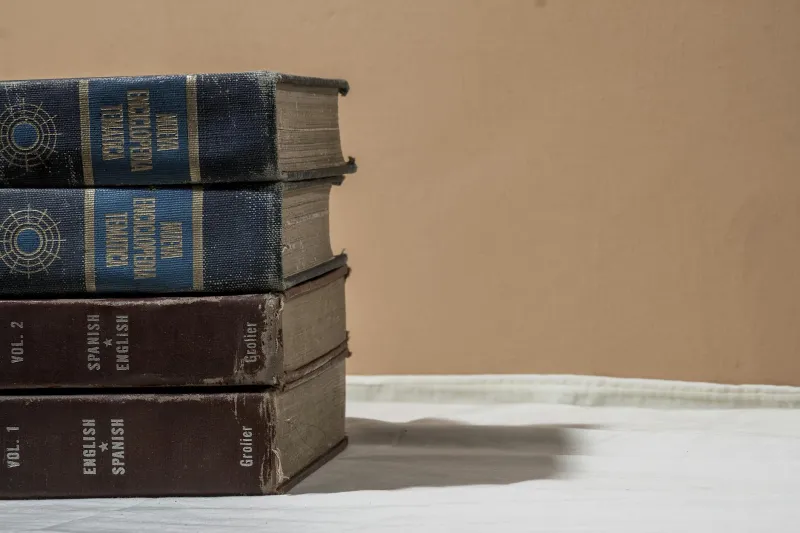
Long before WebMD turned everyone into a hypochondriac, American families relied on thick medical reference books and neighborhood wisdom to decode mysterious symptoms. The journey from kitchen table diagnosis to today's instant medical anxiety reveals how dramatically our relationship with health information has transformed.

The Gold Watch Is Gone: How Retirement Went From a Finish Line to a Moving Target

The Gold Watch Is Gone: How Retirement Went From a Finish Line to a Moving Target

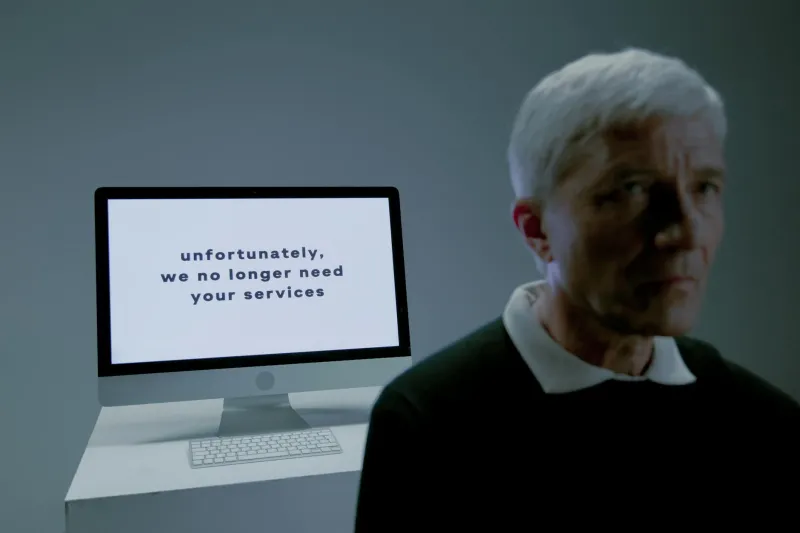
A few decades ago, retiring at 62 with a company pension and a comfortable income wasn't a fantasy — it was a reasonable expectation for millions of American workers. Today, retirement looks almost nothing like that. This article traces how one of life's most anticipated milestones transformed from a near-guaranteed reward into something millions of Americans aren't sure they'll ever reach.

One Doctor, No Google: How Americans Dealt With Getting Sick in 1970

One Doctor, No Google: How Americans Dealt With Getting Sick in 1970

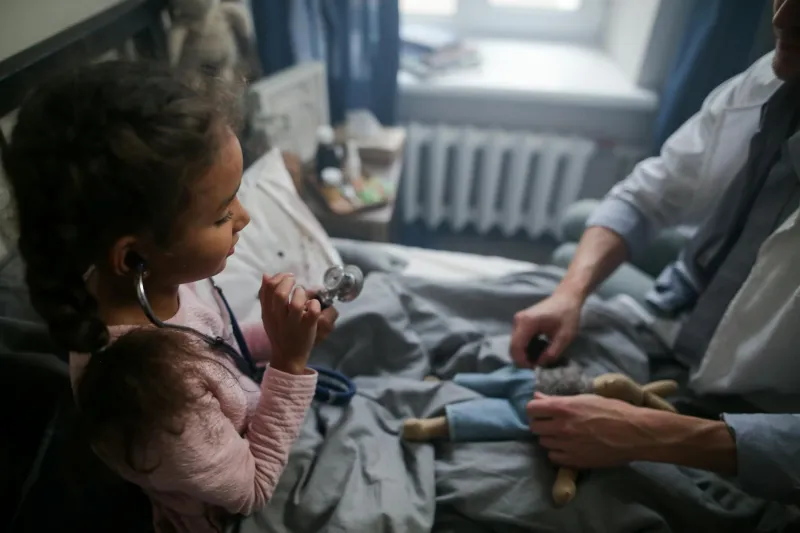
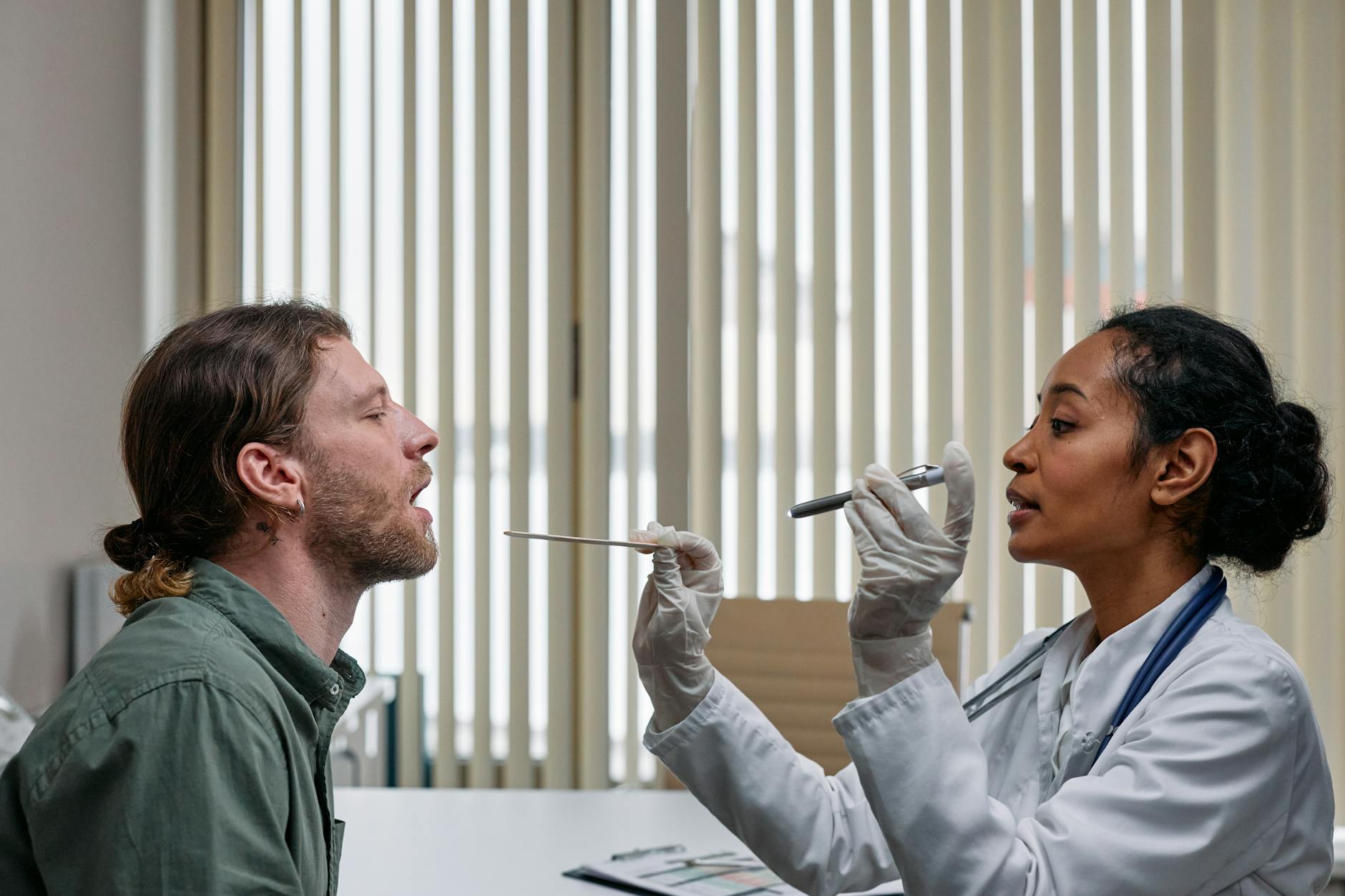
In 1970, if you woke up feeling awful, your options were limited: wait for an appointment, call a nurse's line, or just tough it out. There was no WebMD, no urgent care on every corner, and no way to look up your symptoms at midnight. The world of American healthcare has shifted so dramatically since then that it's almost unrecognizable.