When Going Out to Eat Meant Getting Dressed Up
Picture this: It's 1955, and the Johnson family is going out to dinner. Mom spends twenty minutes getting ready, Dad puts on his good shoes, and the kids are warned twice about their table manners. They drive to Sal's Diner downtown, where they know exactly what to expect – a simple menu printed on cardboard, a waitress named Betty who's worked there for fifteen years, and a meal that costs less than Dad makes in an hour.
Fast-forward to today. Sarah orders Thai food from her phone while binge-watching Netflix, never speaking to a human being. The meal arrives in thirty-seven minutes, costs what her grandfather made in a day, and she's already browsing for tomorrow night's dinner before finishing tonight's pad thai.
The transformation of how Americans eat out represents one of the most dramatic lifestyle shifts of the past century – one so gradual that most of us never stopped to notice how completely our relationship with restaurant food has changed.
The Era of the Blue Plate Special
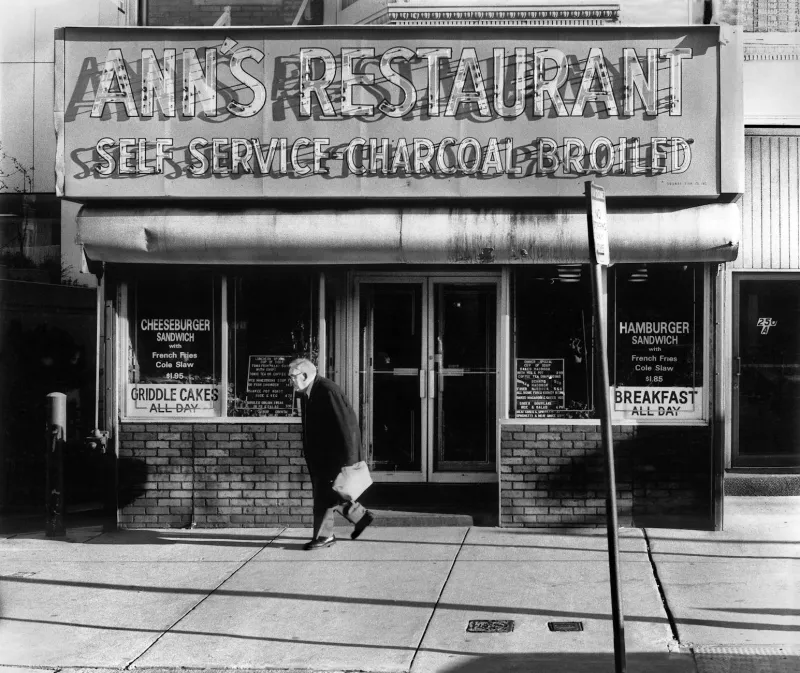
In the 1950s and 60s, eating out was an event. Most American families did it maybe once a month, if that. The average household spent just 25% of their food budget on meals away from home, compared to over 50% today. When families did venture out, they had limited options: the local diner, maybe a steakhouse for special occasions, and if you were lucky, one ethnic restaurant – usually Italian or Chinese.
Menus were simple affairs. Diners offered "blue plate specials" – a protein, two sides, and a dinner roll for $1.25. You didn't customize your order or ask about ingredients. The cook made what the cook made, and you were grateful for it. Vegetarian options? That was called "ordering the vegetables." Gluten-free? Nobody knew what gluten was.
Service was personal but formal. Waitresses (they were almost always women) knew regulars by name but called strangers "hon" or "dear." You paid in cash, left a modest tip, and the whole family shared one dessert if you were feeling fancy.
The Chain Revolution Changes Everything
The 1960s and 70s brought the first seismic shift: chain restaurants. McDonald's, which had 102 locations in 1959, exploded to over 3,000 by 1974. Suddenly, you could get the exact same Big Mac in Maine or California. This standardization was revolutionary – and controversial.
Food critics mourned the death of local flavor, but families embraced the predictability. No more wondering if tonight's meatloaf would be good or terrible. Chain restaurants meant consistent quality, consistent prices, and consistent experiences. For a mobile society where families moved frequently for work, this familiarity became comfort food in the truest sense.
Drive-throughs, which barely existed before 1970, became ubiquitous. Suddenly, you didn't even need to get out of your car to eat restaurant food. The ritual and formality of dining out began its slow death.
The Explosion of Choice
By the 1990s, American dining had exploded into something previous generations couldn't have imagined. Casual dining chains like Applebee's and Chili's offered extensive menus with dozens of options. Ethnic cuisines went mainstream – suddenly every suburb had Thai, Mexican, Indian, and sushi restaurants.
The concept of "fast-casual" emerged, blurring the lines between fast food and sit-down restaurants. You could get a customized burrito bowl or gourmet sandwich in five minutes, creating a new category of quick, quality food that didn't exist before.
Restaurant visits became routine rather than special. The average American began eating out 4-5 times per week, transforming dining out from an occasional treat into a daily habit.
The Digital Revolution Brings Food Home
Then came the smartphone, and everything changed again. Apps like GrubHub, DoorDash, and Uber Eats didn't just make ordering easier – they fundamentally altered what "eating out" means. Now you could access dozens of restaurants without leaving your house, track your driver's location in real-time, and have restaurant-quality food delivered to your door.
The pandemic accelerated this trend dramatically. Restaurants that had never offered delivery suddenly had to, and customers who had never ordered delivery became regular users. Ghost kitchens – restaurants that exist only for delivery – popped up in industrial spaces, cooking food you'll never see the source of.
Today's dining landscape would be incomprehensible to someone from 1955. We have more restaurant choices within a five-mile radius than entire cities used to have. We can customize everything, know exactly when our food will arrive, and rate our experience instantly on multiple platforms.
What We Gained and What We Lost
The convenience is undeniable. Today's Americans have access to incredible variety, can accommodate dietary restrictions that would have stumped previous generations, and can satisfy food cravings instantly. We spend less time cooking and more time doing other things.
But something was lost in the transition. The shared family experience of getting dressed up and going out together. The patience to wait for good food. The acceptance of limited choices. The personal relationships with local restaurant owners and staff.
Most significantly, we lost the specialness of it all. When eating out was rare, it carried weight. It marked occasions, celebrated achievements, and created memories. When everything is available instantly, nothing feels particularly special.
The transformation of American dining culture reveals a broader truth about modern life: we've traded ritual and patience for convenience and choice. Whether that's progress or loss depends on what you value more – the efficiency of getting exactly what you want when you want it, or the shared experience of making do with what's available and finding joy in the limitations.